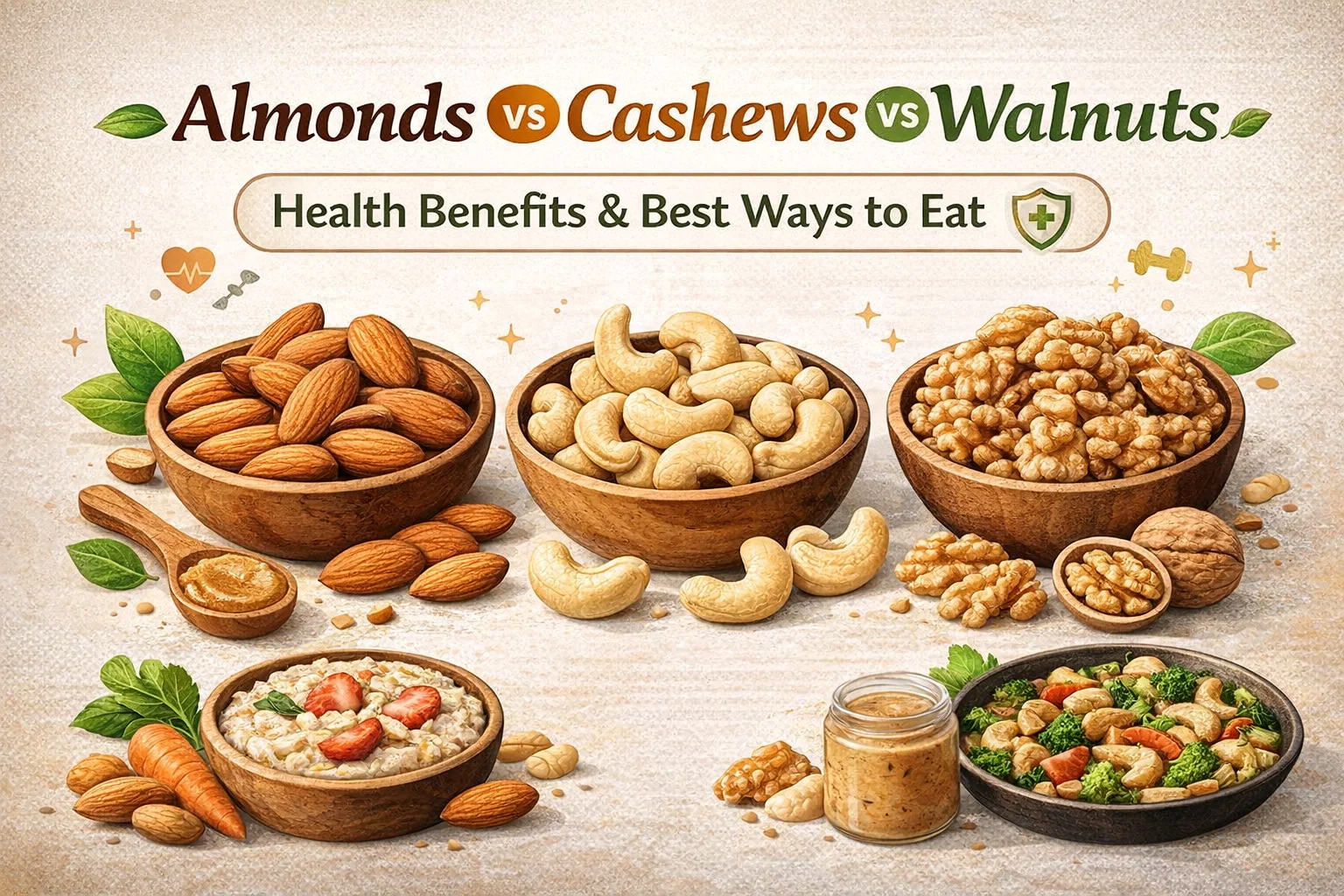
Almond vs Cashew vs Walnut Best Health Benefits and Nutrition Guide for Healthy Snacking
When it comes to the world of superfoods, few things are as versatile and nutritionally dense as the humble nut. We often grab a handful of trail mix or sprinkle some sliced almonds over our morning oats without a second thought, but have you ever stopped to consider which nut is actually doing the most heavy lifting for your health? Whether you are looking to boost your brainpower, support your heart, or find the perfect plant-based protein for your midday snack, understanding the specific profiles of almonds, cashews, and walnuts is a total game changer for your wellness routine.
The Battle of the Bowls: Almonds vs Cashews vs Walnuts
At first glance, these three nuts might seem similar, but they are actually quite different in terms of botanical origin, flavor profile, and nutritional impact. Almonds are technically a seed from the fruit of the almond tree, cashews are the strange-looking appendages of the cashew apple, and walnuts are the wrinkled, brain-like kernels tucked inside a hard green husk. While they all offer healthy fats and protein, the way your body utilizes them can vary significantly depending on your specific health goals.
If you are practicing a slow living lifestyle or focusing on nutrient-dense nutrition, integrating a variety of these nuts ensures you are getting a broad spectrum of minerals and vitamins. Let’s dive deep into the specific benefits of each one so you can make the best choice for your next grocery haul.
Almonds: The Vitamin E Powerhouse
Almonds are arguably the most popular nut in the wellness world, and for good reason. They are incredibly high in Vitamin E, a fat-soluble antioxidant that protects your cells from oxidative damage. This makes them a top-tier choice for skin health and anti-aging. Beyond the glow, almonds are fantastic for heart health because they help maintain healthy cholesterol levels.
Brain Function and Bone Health
Almonds aren’t just for your skin. They contain riboflavin and L-carnitine, two key nutrients that support brain function and may help prevent cognitive decline. Furthermore, they are a solid source of phosphorus and calcium, making them an excellent plant-based option for maintaining strong bones and teeth. If you are a busy creator or a mom looking for “momhacks” to keep the family energized, a small container of almonds is the ultimate portable fuel.
How to Get the Most from Your Almonds
- Soak Them: Soaking almonds overnight helps neutralize phytic acid, making the nutrients more bioavailable and the nut easier to digest.
- Smoothie Boost: Toss a tablespoon of almond butter into your morning smoothie for a creamy texture and a hit of sustained energy.
- Oatmeal Topping: Sliced almonds add a satisfying crunch to high-fiber breakfast bowls.
Cashews: The Creamy Immunity Booster
If almonds are the crunchy staple, cashews are the creamy luxury. Known for their lower fiber content compared to other nuts, cashews make up for it with a rich supply of magnesium and zinc. Magnesium is essential for over 300 enzymatic reactions in the body, including muscle relaxation and nerve function. Zinc, on the other hand, is your best friend during cold and flu season as it directly supports the immune system.
Plant-Based Versatility
Cashews are a favorite in the vegan and plant-based community because of their unique ability to transform into “cheese” or cream. When soaked and blended, they create a silky base for sauces that rivals dairy in both texture and flavor. This makes them a staple for anyone looking to reduce their dairy intake without sacrificing the comfort of a creamy pasta sauce or a decadent cheesecake.
Quick Ways to Use Cashews
- Stir-Fries: Add whole cashews to a vegetable stir-fry for a boost of healthy fats and a delightful texture contrast.
- Cashew Milk: Blending soaked cashews with water and a date creates a fresh, preservative-free milk alternative.
- Roasted Snacks: Lightly roasting cashews with a pinch of sea salt and rosemary makes for a sophisticated, nutrient-dense snack.
Walnuts: The Brain Food King
There is a reason walnuts look like a tiny human brain. They are one of the best plant-based sources of Omega-3 fatty acids, specifically alpha-linolenic acid (ALA). These healthy fats are crucial for brain health, reducing inflammation, and supporting cardiovascular wellness. If you are focused on productivity and mental clarity, walnuts should be a non-negotiable part of your diet.
Anti-Inflammatory Superstars
Chronic inflammation is at the root of many modern health issues. Walnuts are packed with polyphenols, which work alongside those Omega-3s to fight oxidative stress and inflammation in the body. For those interested in herbalism and traditional remedies, walnuts are often viewed as a foundational food for long-term vitality. They support the gut microbiome by encouraging the growth of beneficial bacteria, which in turn supports your overall mood and immunity.
The Best Ways to Enjoy Walnuts
- Salad Toppers: Crushed walnuts add a rich, earthy flavor to leafy green salads, especially when paired with fruits like apples or pears.
- Baking: Walnuts hold up beautifully in the oven. Use them in banana bread, muffins, or homemade granola.
- Toasted: Toasting walnuts for just three to five minutes in a dry pan brings out their deep, nutty aroma and makes them even more delicious.
Nutritional Breakdown: Which One Should You Choose?
Choosing the “best” nut really depends on what your body needs at the moment. Are you feeling sluggish and in need of brain fuel? Reach for the walnuts. Are you feeling like your immune system needs a lift? Go for the cashews. Are you focused on skin health and heart protection? Almonds are your winner.
A Quick Reference Guide
- For the Heart: Almonds (high Vitamin E and fiber).
- For the Brain: Walnuts (high Omega-3s).
- For Energy and Immunity: Cashews (high Magnesium and Zinc).
By rotating these three varieties, you ensure that your body receives a wide array of micronutrients. This is the essence of “nutrient-dense nutrition” – making every calorie count by choosing foods that provide multiple benefits at once.
Creative Recipes for Your Kitchen
If you are looking to get more of these nuts into your daily routine, it helps to look beyond the snack bag. Here are a few DIY ideas that fit perfectly into a sustainable, slow-living kitchen.
Homemade Nut Butter Trio
Forget the store-bought versions filled with palm oil and sugar. You can easily make your own nut butters at home using a high-speed blender. Try making a “Brain Booster” butter by blending walnuts and almonds together with a pinch of cinnamon. Or, create a “Creamy Cashew Spread” with a touch of vanilla bean for a healthy alternative to frosting.
Kid-Friendly Herbal Nut Clusters
As a mom, finding snacks that are both healthy and appealing to kids can be a challenge. Try making small clusters using melted dark chocolate, crushed walnuts, and a sprinkle of dried lavender or chamomile. These “herbal clusters” are a great way to introduce medicinal flavors in a way that feels like a treat.
Environmental Impact and Sustainable Sourcing
Part of a slow-living and sustainable gardening mindset is being aware of where our food comes from. Almonds, for instance, are notoriously water-intensive crops. When shopping, look for brands that prioritize regenerative agriculture or organic practices. If you have the space and the right climate, you might even consider planting a nut tree in your own backyard! While they take years to mature, providing your own harvest is the ultimate goal for any sustainable gardener.
Vertical Gardening and Nut Storage
While you might not be able to grow cashews in a vertical garden, you can certainly use your garden space to grow the herbs that pair perfectly with these nuts, such as rosemary, thyme, and sage. For storage, keep your nuts in a cool, dark place – or even the refrigerator – to prevent the delicate oils from going rancid. A root cellar or a cool pantry is ideal for keeping large batches of walnuts and almonds fresh for months.
Conclusion: Small Bites, Big Impact
The journey to “getting your life together” often starts with the small, daily choices we make in the kitchen. Swapping processed snacks for a variety of almonds, cashews, and walnuts is a simple but profound way to invest in your long-term health. Each nut brings its own unique set of “superpowers” to the table, from the skin-protecting Vitamin E in almonds to the brain-boosting Omega-3s in walnuts and the immune-supporting minerals in cashews.
Whether you are using them to create DIY beauty products, adding them to your meal prep, or simply enjoying them raw, these nuts are a testament to the power of nature’s pantry. So next time you are at the market, don’t just pick one. Grab all three and start experimenting with the flavors and benefits they have to offer. Your body (and your brain) will thank you for it!
Would you like to explore some specific herbal tea pairings that go well with these healthy snacks?