Amish Off-Grid Tools Timeless Survival Solutions for a World Without Power
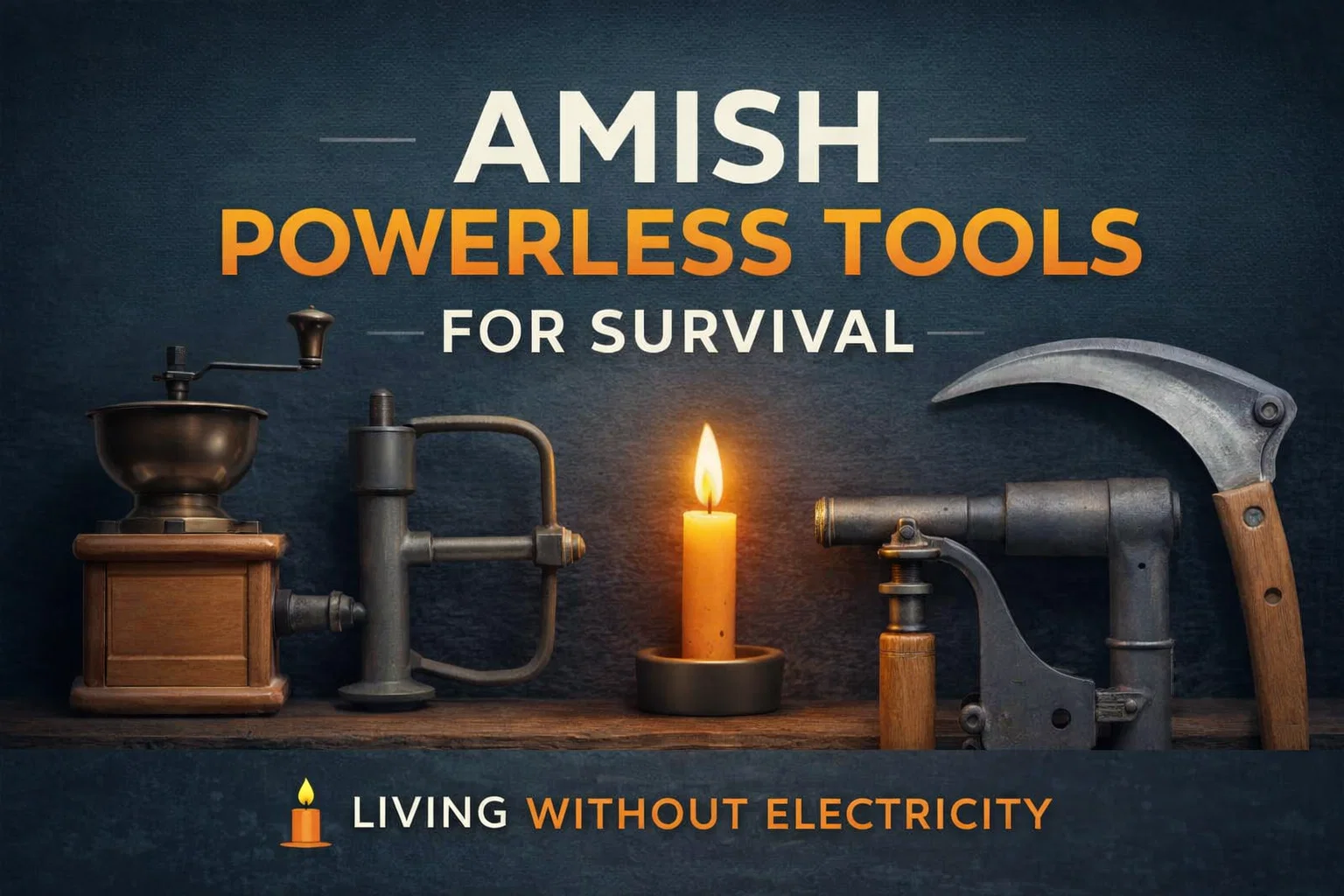
In an era where we are increasingly tethered to the electrical grid and digital infrastructure, there is a profound sense of security and satisfaction that comes from mastering the physical world with your own two hands. The image of rugged, manual tools set against a weathered wooden backdrop speaks to a philosophy of self-reliance that has sustained communities for centuries. While modern technology offers convenience, it also brings a certain level of fragility. When the power goes out or the supply chain falters, those who understand the mechanics of powerless tools find themselves uniquely prepared to thrive rather than just survive. This guide explores the fascinating world of Amish ingenuity and how these timeless solutions provide a roadmap for modern survival and off-grid living.
The Philosophy of Powerless Productivity
To understand the value of manual tools, one must first appreciate the mindset behind them. The Amish community has long prioritized tools that are durable, repairable, and independent of external utilities. This is not merely about rejecting modern life but about embracing a level of craftsmanship that ensures a tool will work today, tomorrow, and fifty years from now. When you pick up a hand-cranked grain mill or a manual drill, you are engaging with a piece of equipment that does not rely on a software update or a stable power connection. This philosophy shifts the focus from consumption to capability.
For the modern homesteader or survivalist, adopting these tools is a form of insurance. It is the realization that the most sophisticated gadget in the world is useless without a charge. By integrating manual alternatives into your daily routine, you build muscle memory and mechanical intuition. You begin to see the world through the lens of leverage, torque, and human energy, which are the fundamental building blocks of all work.
Essential Manual Tools for the Modern Homestead
Transitioning to a more self-sufficient lifestyle does not mean you have to give up efficiency. Many Amish-designed tools are engineered to be incredibly effective, often rivaling their electric counterparts in specific tasks. Here are some of the most critical implements to consider for a world without power.
The Hand-Crank Grain Mill
Food security starts with the ability to process raw ingredients. A high-quality manual grain mill is the centerpiece of any off-grid kitchen. Unlike electric versions that can overheat or fail during heavy use, a cast-iron or stainless steel hand mill allows you to process wheat, corn, and beans at your own pace. The slow grinding process actually helps preserve the nutritional integrity of the flour by preventing the heat buildup that often occurs in high-speed electric mills.
Manual Water Pumps and Filtration
Water is the most urgent requirement for survival. In a power outage, well pumps stop working, and municipal systems can lose pressure. The Amish have perfected the use of deep-well hand pumps that can pull water from hundreds of feet below the surface. Pairing these with gravity-fed filtration systems ensures that your family has a continuous supply of clean, potable water regardless of the status of the electrical grid.
Non-Electric Woodworking and Construction
Building and repairing structures is a constant reality on a homestead. Tools like the brace and bit, hand saws, and manual planes are not just relics of the past. They offer a level of precision and control that power tools often lack. Furthermore, they are silent, allowing you to work without the deafening roar of a circular saw, which can be a significant advantage in various survival scenarios.
The Art of Survival Through Traditional Knowledge
Possessing the tools is only half of the equation; the other half is the knowledge of how to use them effectively. In our modern society, we have outsourced much of our basic survival knowledge to experts and machines. Rediscovering the utility of manual tools requires a period of unlearning and re-learning. It involves understanding the grain of the wood, the sharpness of a blade, and the rhythm of manual labor.
This traditional knowledge extends beyond simple mechanics. it includes an understanding of seasonal cycles, food preservation techniques like fermentation and root cellaring, and the ability to maintain and repair your own equipment. When you use a scythe to clear a field or a hand-powered washing machine to clean clothes, you are participating in a lineage of human effort that is both grounding and empowering.
Building a Resilient Toolbox
If you are looking to start your journey into the world of powerless tools, it is important to focus on quality over quantity. A single well-made tool is worth more than a dozen cheap imitations. Look for tools made from high-carbon steel and solid hardwoods. These materials are designed to be sharpened and maintained over a lifetime of use.
- Prioritize Versatility: Choose tools that can perform multiple functions or are essential for core survival needs like food, water, and shelter.
- Invest in Maintenance Kits: Every manual tool needs a way to be kept in top condition. This includes sharpening stones, lubricating oils, and replacement parts like handles or washers.
- Practice Regularly: Do not wait for an emergency to learn how to use your equipment. Incorporate manual tools into your weekend projects to build the necessary strength and skill.
The Benefits of a Quiet Lifestyle
One of the unexpected benefits of moving away from power-dependent tools is the peace that follows. Manual work is inherently quieter and more meditative. It allows you to stay connected to your environment and hear the sounds of nature or the voices of your family while you work. This reduction in noise pollution can lead to lower stress levels and a deeper appreciation for the task at hand. It turns a chore into a mindful practice.
Preparing for a World Without Power
While we hope for continued stability, the reality of the modern world is that disruptions are becoming more frequent. From extreme weather events to cyber-attacks on the grid, the potential for a prolonged power outage is a legitimate concern. Being prepared means more than just having a few flashlights and extra batteries. It means having a functional system for living that does not rely on a plug.
The Amish model of living provides a tested template for this resilience. By looking at their tools and techniques, we can identify the gaps in our own preparedness. Ask yourself how you would cook a meal, stay warm, or secure clean water if the power went out for a month. If your answers all involve devices that require electricity, it is time to start integrating timeless manual solutions into your strategy.
Community and Shared Skillsets
True survival is rarely a solo endeavor. The Amish thrive because of their tight-knit communities and the sharing of skills and labor. As you build your own collection of powerless tools, consider how you can share this knowledge with neighbors and friends. Creating a local network of people who understand manual mechanics and traditional survival skills creates a safety net that is far stronger than any individual effort.
Embracing the Timeless Path
Choosing to use powerless tools is a statement of independence. It is a way to reclaim your agency in a world that often feels out of our control. Whether you are motivated by a desire for sustainability, a passion for history, or a practical need for emergency preparedness, the world of manual tools offers endless opportunities for growth and discovery.
As you hold a hand-forged tool, you feel the weight of history and the promise of a self-reliant future. These items are not just objects; they are symbols of a lifestyle that values quality, patience, and the enduring power of the human spirit. By adopting these timeless solutions, you are not just preparing for a world without power; you are building a richer, more intentional way of life that will serve you well no matter what the future holds.
Conclusion
The transition toward a more manual, self-sufficient lifestyle is a journey that rewards you at every step. From the first loaf of bread made with hand-milled flour to the satisfaction of completing a repair with traditional hand tools, the experience is deeply fulfilling. The Amish have shown us that it is possible to live productively and comfortably without the constant hum of electricity. By integrating their wisdom with our modern understanding of the world, we can create a resilient lifestyle that is truly prepared for anything. Start small, focus on quality, and enjoy the process of becoming the master of your own survival. The tools are ready and waiting; all they need is your hand to guide them. Save these ideas for your future homestead and begin your path toward true independence today.