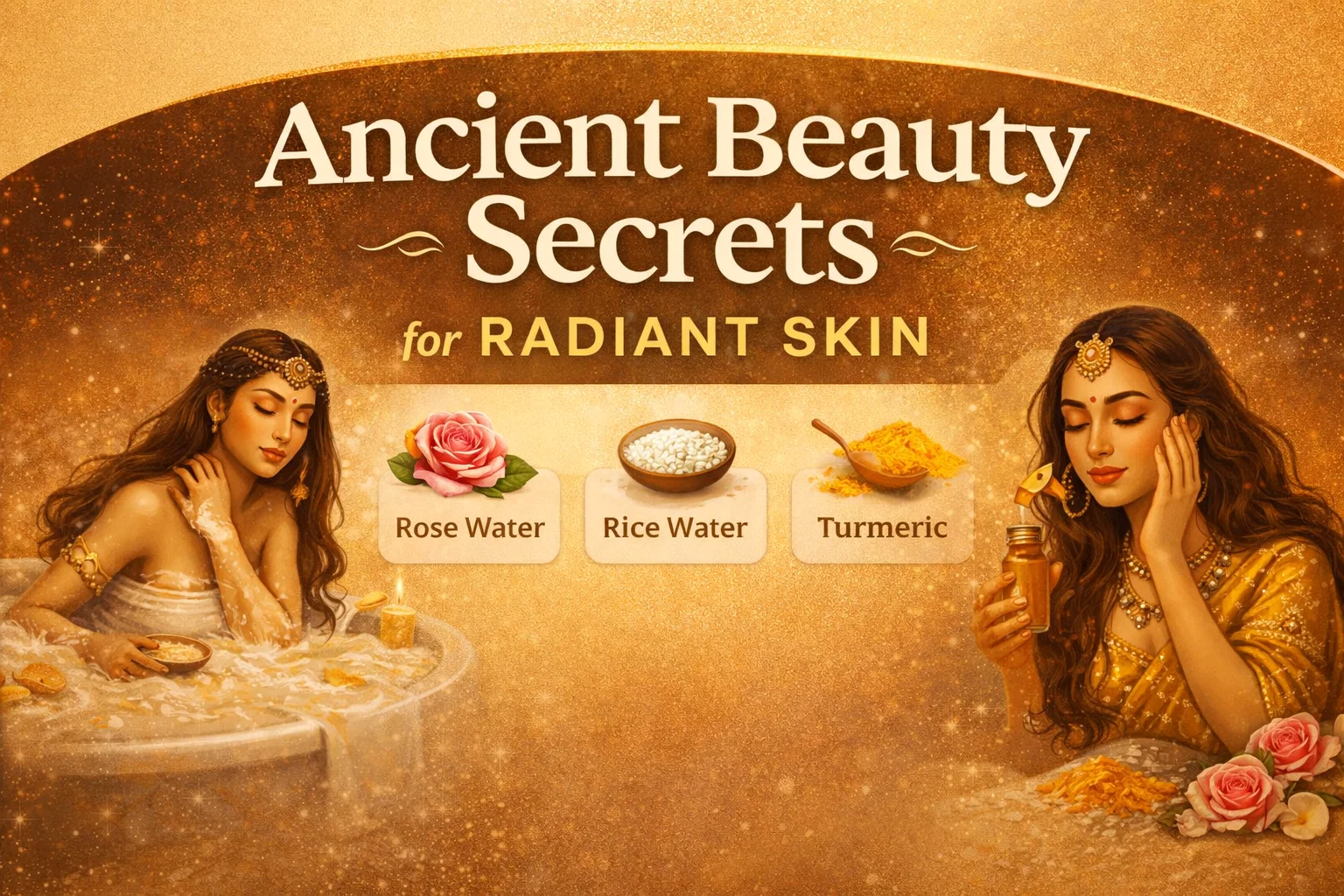
Ancient Beauty Rituals for Radiant Skin Time-Tested Natural Skincare Secrets
Stepping into the world of modern skincare can often feel like walking through a high-tech laboratory. With synthetic acids, complex serums, and vibrating gadgets, we sometimes forget that the most luminous skin on earth didn’t come from a bottle made in a factory. It came from the earth itself. For thousands of years, civilizations across the globe have perfected the art of the glow using nothing but what grew in their gardens or sat in their kitchens. From the milk-soaked baths of Egypt to the rice-water rinses of Japan, these ancient beauty rituals are not just myths; they are time-tested traditions that still hold the secret to a radiant, youthful complexion today.
The beauty of these ancient secrets lies in their simplicity and their synergy with our biology. While modern products often try to force the skin into submission, ancient rituals work in harmony with it. They focus on nourishment, hydration, and gentle detoxification. If you have ever felt overwhelmed by a ten-step chemical routine, it might be time to look backward to move forward. Let’s dive deep into the specific rituals from Egypt, India, Persia, and Japan to see how you can bring a touch of royalty and history into your daily self-care routine.
The Egyptian Legacy: Milk and Honey for Silk-Like Skin
When we think of ancient beauty, Cleopatra is often the first name that comes to mind. Legend has it that she maintained her legendary soft skin by bathing in fermented donkey milk and honey. While you don’t need a stable of donkeys to replicate this, the science behind this ritual is incredibly sound. Milk contains lactic acid, a naturally occurring alpha hydroxy acid (AHA). Unlike harsh chemical peels, lactic acid is a gentle exfoliant that dissolves the “glue” holding dead skin cells together without stripping the moisture barrier.
Why Honey is the Ultimate Skin Healer
In the Egyptian tradition, honey was more than just a sweetener; it was a medicinal marvel. Honey is a natural humectant, meaning it draws moisture from the air and seals it into the skin. It is also packed with antioxidants and has antimicrobial properties, making it perfect for soothing irritation or preventing minor breakouts. When you combine the exfoliating power of milk with the deep hydration of honey, you create a powerhouse treatment that softens, hydrates, and brightens all at once.
How to Recreate the Egyptian Bath at Home
To bring this ritual into your modern bathroom, you don’t need to fill the entire tub with milk. Adding two to four cups of whole milk (or goat milk for higher fat content) and half a cup of raw honey to a warm bath is plenty. To elevate the experience, add a tablespoon of almond oil for extra lipids and a handful of fresh rose petals. The rose petals aren’t just for show; they release essential oils that calm the mind and lightly tone the skin. Soak for twenty minutes and emerge with skin that feels like expensive silk.
Indian Turmeric: The Golden Path to a Bright Complexion
In India, skincare is deeply intertwined with Ayurvedic principles, which emphasize balance and the use of kitchen staples for therapeutic benefits. One of the most iconic treatments is the Turmeric Paste, often referred to as Ubtan. Traditionally used by brides before their wedding day, this golden mask is designed to give the skin an unmistakable radiance and a clear, even tone.
The Science of the Golden Spice
Turmeric contains a bioactive compound called curcumin, which is a potent anti-inflammatory and antioxidant. In the context of skincare, this means turmeric helps to reduce redness, calm puffiness, and fight the free radicals that cause premature aging. When mixed with yogurt, which provides cooling relief and probiotics, and honey for moisture, it becomes a versatile mask that addresses acne and dullness simultaneously.
Tips for Using Turmeric Without the Staining
Many people shy away from turmeric because they fear turning yellow. The trick is the ratio and the ingredients. Always mix your turmeric with a fatty base like whole-milk yogurt or a carrier oil. The fats help the curcumin stay suspended and prevent it from deeply staining the skin. Leave the mask on for no more than ten to fifteen minutes. If you notice a slight tint, a quick wipe with a cotton pad soaked in warm milk or oil will lift the pigment right off, leaving only the glow behind.
Persian Rose Water: The Original Refreshing Toner
Persia, modern-day Iran, gave the world the gift of rose distillation. For centuries, Persian women have used rose water as a cornerstone of their beauty identity. Unlike modern toners that are often loaded with alcohol and drying agents, pure rose water is a gentle botanical hydrosol that respects the skin’s delicate pH balance.
Hydration and Emotional Wellbeing
Rose water is unique because it offers both physical and sensory benefits. Physically, it is a mild astringent that helps to tighten pores and remove residual impurities after cleansing. It is also incredibly anti-inflammatory, making it a “holy grail” for those with rosacea or sensitive skin. Mentally, the scent of rose has been shown to reduce cortisol levels. Incorporating a rose water mist into your routine turns a mundane task into a moment of luxury and stress relief.
Integrating Rose Water into Your Routine
The best way to use rose water is as a bridge between cleansing and moisturizing. After washing your face, mist it generously with pure, organic rose water while your skin is still damp. This helps your serum or moisturizer sink deeper into the epidermis. You can also use it throughout the day to refresh your makeup or cool down your skin after a workout. It is nature’s most elegant multitasker.
Japanese Rice Water: The Secret of the Geisha
In Japan, the beauty philosophy has always leaned toward “Mochi Skin”—skin that is plump, matte, and incredibly smooth. One of the oldest secrets to achieving this look is the use of rice water. Historically, female rice farmers in Japan were noticed for having exceptionally beautiful hands and complexions despite working in the sun. It was discovered that the water left over from washing rice was the reason.
Inositol and Ferulic Acid
Rice water is rich in inositol, a carbohydrate that helps repair damaged skin and improves elasticity. It also contains ferulic acid, a powerful antioxidant that protects the skin from environmental stressors. When rice water is allowed to sit for a short period, it undergoes a slight fermentation process which increases the concentration of antioxidants and makes the nutrients more bioavailable to your skin cells.
The Traditional Preparation Method
To make your own Japanese rice water toner, simply rinse half a cup of uncooked organic rice to remove any dirt. Then, place the rice in a bowl with two cups of fresh water and let it soak for about thirty minutes. Give the rice a gentle squeeze to release the nutrients, turning the water a milky white. Strain the liquid into a glass jar. For an extra boost, leave it at room temperature for twelve to twenty-four hours to ferment slightly, then store it in the fridge. Use it as a final rinse after cleansing or apply it with a cotton pad to refine your skin’s texture.
Modern Safety for Ancient Traditions
While these ingredients are natural, “natural” does not always mean “universal.” Every individual has a unique skin chemistry, and it is vital to approach these rituals with a bit of modern wisdom. Before applying a full mask of turmeric or soaking in a milk bath, always perform a patch test on the inside of your wrist. This ensures you don’t have an undiagnosed allergy to these potent botanical ingredients.
Protecting Your Newfound Glow
Many ancient rituals, particularly those involving exfoliation like the milk bath or turmeric mask, reveal fresh, new skin cells. These cells are more sensitive to the sun’s ultraviolet rays. Even though these rituals are ancient, our modern ozone layer requires modern protection. Always follow up your morning skincare routine with a high-quality SPF to preserve the brightening effects of your treatments and prevent sun damage.
The Ritual of Self-Care
What truly sets these ancient practices apart from modern quick fixes is the “ritual” aspect. In the past, beauty was not a chore to be rushed through before work. It was a dedicated time for oneself. Whether it is the act of mixing a fresh paste or the sensory experience of a floral mist, these steps encourage us to slow down. When we reduce our stress, our skin naturally looks better because our bodies produce fewer inflammatory hormones.
Try dedicating one evening a week to a “Global Beauty Night.” Start with the Indian turmeric mask, follow with a Japanese rice water rinse, and finish with a Persian rose water mist. By combining these cultural treasures, you aren’t just cleaning your face; you are participating in a global history of wellness and self-love.
Conclusion: Timeless Beauty in a Modern World
The journey to radiant skin doesn’t require a time machine, but it does require a bit of curiosity. By embracing the Egyptian milk bath, the Indian turmeric paste, the Persian rose water ritual, and the Japanese rice water rinse, you are tapping into a fountain of knowledge that has sustained the beauty of civilizations for millennia. These ingredients have stood the test of time because they work with the skin’s natural rhythm rather than against it.
As you begin to experiment with these natural secrets, remember that consistency is the key. Ancient beauty was built on the foundation of regular, gentle care. Start small, listen to your skin, and enjoy the process of discovering which of these traditions resonates most with you. You might just find that your best skin ever was waiting for you in the simple, golden traditions of the past. Why wait for the next synthetic breakthrough when the most powerful beauty secrets have already been revealed by history?