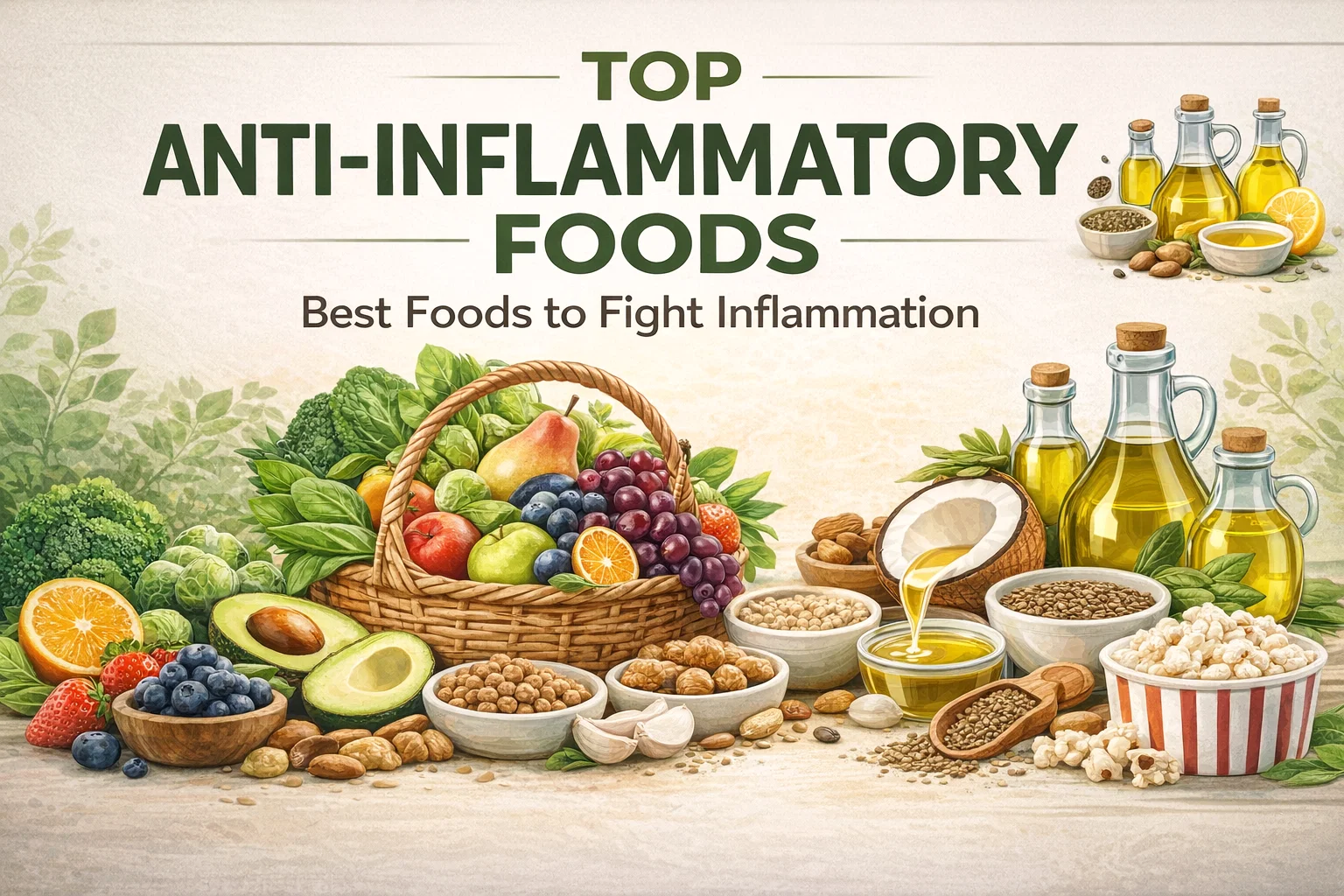
Anti-Inflammatory Food List Best Healing Foods for Gut Health and Reducing Inflammation
Finding a way to feel your best often starts at the end of your fork. In a world full of processed convenience foods and hidden additives, inflammation has become a silent struggle for many, leading to brain fog, joint pain, and digestive discomfort. But here is the exciting part: your body has an incredible ability to heal and recalibrate when you provide it with the right fuel. By focusing on a diet rich in vibrant, whole foods, you can naturally lower internal stress and reclaim your energy. This guide dives deep into the ultimate anti-inflammatory food list, helping you understand how to stock your kitchen for long term vitality and wellness.
Understanding the Power of Anti-Inflammatory Nutrition
Inflammation is not always the villain. In its acute form, it is actually your body’s defense mechanism against injury or infection. However, when inflammation becomes chronic due to stress, poor sleep, or a diet high in refined sugars and trans fats, it begins to damage healthy tissues. This is where dietary intervention becomes your most powerful tool. Consuming foods that are high in antioxidants, polyphenols, and omega-3 fatty acids helps to neutralize the free radicals that trigger these inflammatory responses.
Transitioning to an anti-inflammatory lifestyle isn’t about restriction; it is about abundance. It is about filling your plate with deep greens, bright berries, and heart-healthy fats that work with your biology rather than against it. When you prioritize these foods, you are not just eating for today, you are investing in a future where you feel lighter, clearer, and more resilient.
The Fruit Basket: Nature’s Antioxidant Powerhouse
Fruits are often called nature’s candy, but they are also packed with fiber and essential phytonutrients. When selecting fruits for an anti-inflammatory diet, aim for those with deep pigments, as these colors signify high concentrations of antioxidants.
Berries and Citrus
Blueberries, blackberries, and strawberries are famous for their anthocyanins, which are compounds that have been shown to reduce oxidative stress. Similarly, oranges and papayas provide a massive dose of Vitamin C, a crucial nutrient for repairing tissues and supporting the immune system. Including a handful of berries in your morning yogurt or as a mid afternoon snack is one of the easiest upgrades you can make.
Hydrating and Healing Favorites
- Avocado: While technically a fruit, avocados provide monounsaturated fats and potassium, which help reduce inflammatory markers in the heart.
- Watermelon: This refreshing fruit contains lycopene, an antioxidant that helps lower systemic inflammation.
- Apples and Grapes: Both are rich in quercetin and resveratrol, which act as natural anti-inflammatory agents within the bloodstream.
Vegetables: The Foundation of Cellular Health
If there is one category of food you should never skimp on, it is vegetables. They are the backbone of a healthy gut microbiome, and since a large portion of your immune system resides in your gut, keeping it happy is key to keeping inflammation low.
Cruciferous and Leafy Greens
Kale and spinach are the gold standards for leafy greens, offering high levels of Vitamin K and iron. Meanwhile, cruciferous vegetables like Brussels sprouts, cabbage, and cauliflower contain sulforaphane. This compound is a powerhouse that helps block enzymes that cause joint destruction and chronic swelling. If you find these hard to digest raw, try roasting them with a bit of olive oil and sea salt to unlock their flavors and make them gentler on your stomach.
Root Vegetables and Alliums
Beets are another standout for their betalain content, which provides both antioxidant and anti-inflammatory benefits. Don’t forget the flavor builders: garlic and onions. These alliums contain organosulfur compounds that have been used for centuries in traditional medicine to fight off infections and reduce swelling throughout the body.
Healthy Fats and Oils: Lubrication for Your Joints
Not all fats are created equal. While industrial seed oils can often promote inflammation, high quality fats are essential for brain health and hormone production. They act as the “lubrication” for your joints and cellular membranes.
The Best Cooking and Finishing Oils
Extra virgin olive oil is the king of the Mediterranean diet for a reason. It contains oleocanthal, an antioxidant that has an effect similar to anti-inflammatory medication. For higher heat cooking, avocado oil is a fantastic stable option. If you are looking for plant-based omega-3s, consider drizzling hemp oil, flaxseed oil, or chia seed oil over your salads to get those essential fatty acids without heating them, which preserves their delicate nutritional profile.
Omega-3 Rich Seafood
Fatty fish like mackerel and salmon are legendary for their EPA and DHA content. These specific omega-3 fatty acids are direct precursors to molecules that tell your body to turn off the inflammatory response. Aiming for two servings of oily fish per week can significantly impact your overall wellbeing and heart health.
Lean Proteins and Plant-Based Alternatives
Protein is necessary for muscle repair and enzyme function, but the source matters. Selecting lean, high quality proteins ensures you get the building blocks you need without the inflammatory saturated fats found in heavily processed meats.
Plant-Based Proteins
Beans and legumes, such as black beans, kidney beans, and chickpeas, are excellent because they combine protein with a high dose of fiber. Fiber is essential for removing toxins from the body. For those who prefer soy-based options, tofu is a versatile, low-inflammatory protein that takes on the flavor of whatever spices you use. Greek yogurt also makes the list, provided it is plain and unsweetened, as it provides probiotics to support your gut health.
High Quality Animal Proteins
When choosing meat, opt for lean cuts of turkey breast or chicken breast. If you enjoy beef or pork, look for “lean” labels and prioritize grass-fed or pasture-raised options whenever possible. These sources tend to have a better ratio of omega-3 to omega-6 fatty acids, making them much friendlier for your inflammatory profile.
Ancient Grains and Fiber-Rich Cereals
The “anti-carb” movement often overlooks the benefits of whole grains. Refined white flours can spike blood sugar and trigger inflammation, but whole, ancient grains do the opposite. They provide a slow release of energy and are packed with minerals.
Amaranth, millet, and buckwheat are gluten-free gems that are incredibly nutrient-dense. Quinoa is another fantastic option as it is a complete protein. For those who can tolerate gluten, oats and barley offer specific fibers like beta-glucans that help lower cholesterol and soothe the digestive tract. Using farro or brown rice as a base for your veggie bowls is a great way to stay full and satisfied throughout the day.
The Magic of Herbs, Spices, and Condiments
Your spice cabinet is essentially a medicine cabinet in disguise. Many of the most potent anti-inflammatory compounds are found in the seasonings we use every day. Instead of reaching for heavy, sugary sauces, turn to fresh herbs and dried spices to elevate your meals.
The Golden Spice: Turmeric
Turmeric is perhaps the most researched anti-inflammatory spice in existence. Its active ingredient, curcumin, is a biological heavy hitter. To maximize its absorption, always pair turmeric with a pinch of black pepper, as the piperine in the pepper increases curcumin’s bioavailability by up to 2,000 percent.
Daily Flavor Enhancers
- Ginger: Perfect for digestion and reducing muscle pain.
- Cilantro and Parsley: These green herbs help the body detoxify heavy metals.
- Basil and Oregano: High in essential oils that fight oxidative stress.
- Cayenne Pepper: Contains capsaicin, which can help boost metabolism and reduce pain signals.
Smart Snacking and Hydrating Beverages
What you sip on and snack on between meals can either fuel the fire of inflammation or help put it out. It is often the “hidden” sugars in drinks that cause the most trouble, so making a conscious switch to healing beverages is a vital step.
Anti-Inflammatory Sips
Green tea and matcha tea are packed with EGCG, a catechin that prevents cellular damage. If you want something cozy, turmeric milk (often called golden milk) is a soothing way to end your day. Apple cider vinegar, when diluted in water, can help balance your body’s pH and improve insulin sensitivity, which in turn keeps inflammation at bay. For daily hydration, nothing beats pure coconut water or ginger tea.
Guilt-Free Snacks
Yes, you can still have dessert! Dark chocolate (70% cocoa or higher) is rich in flavonols that protect your arteries. Other great snacks include avocado hummus, garlic hummus, or air-popped popcorn. If you need an on the go boost, muesli energy bars or a handful of walnuts provide the perfect mix of fiber and healthy fats to keep you going without the sugar crash.
Creating Your Anti-Inflammatory Lifestyle
The journey to health is not about perfection, it is about consistency. You do not have to overhaul your entire pantry overnight. Start by adding one green vegetable to your dinner, or swapping your morning coffee for a green tea a few times a week. The beauty of the anti-inflammatory diet is that it is delicious and diverse. You can enjoy rich curries, vibrant salads, and hearty grain bowls while knowing you are supporting your body at a cellular level.
Remember that wellness is holistic. While these foods provide the foundation, they work best when paired with adequate sleep, regular movement, and stress management. When you treat your body with respect and nourish it with the gifts of the earth, you will be amazed at how quickly it rewards you with clarity, strength, and a renewed sense of peace.
By keeping this list of fruits, vegetables, healthy fats, and spices in mind, you are well on your way to building a lifestyle that promotes longevity and vibrant health. Start small, eat colorfully, and enjoy the process of discovering what makes you feel your absolute best.
Would you like me to create a 7-day anti-inflammatory meal plan based on these food groups?