Anticoagulants vs Antiplatelets Key Differences in Blood Thinners Explained Infographic
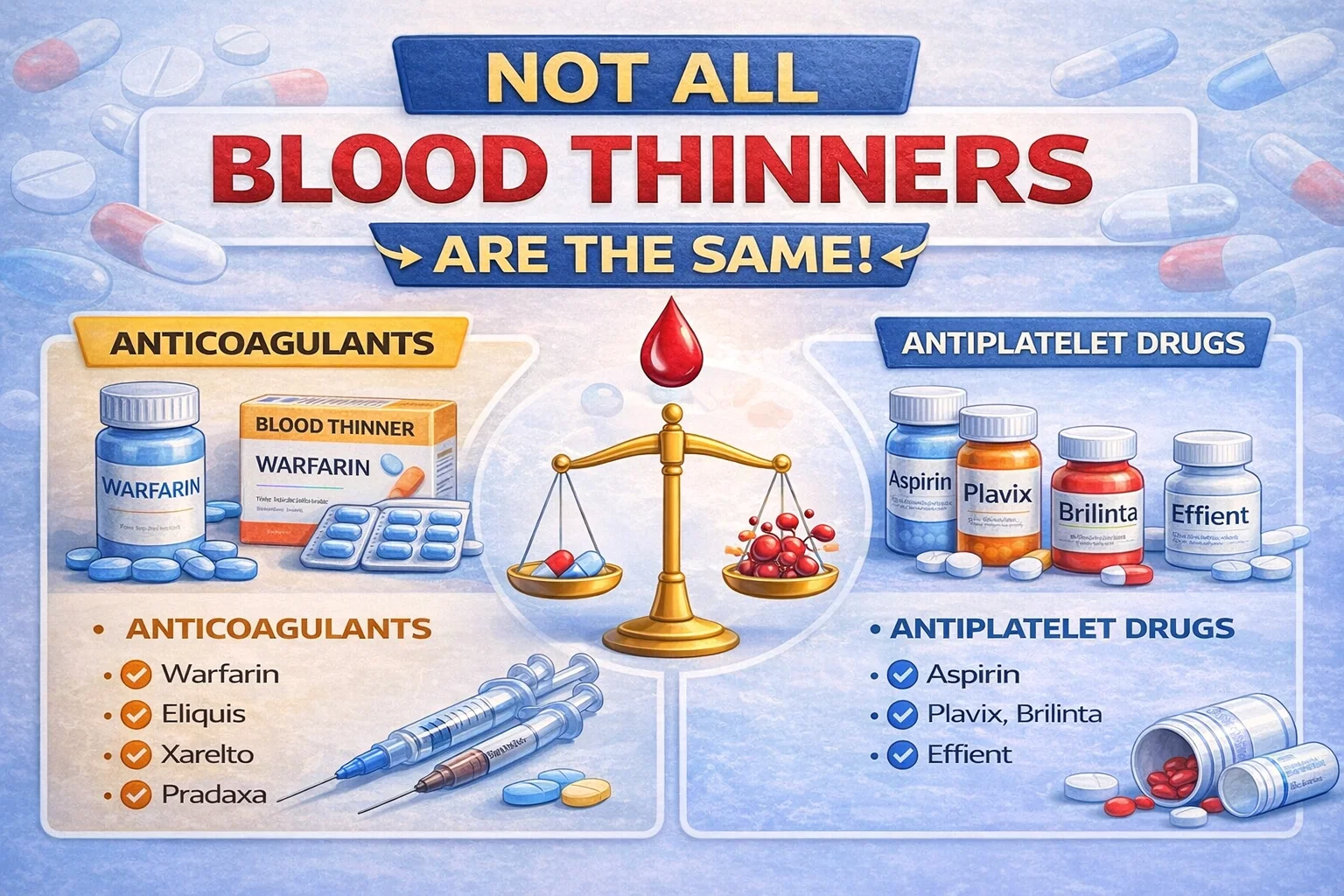
Navigating the world of cardiovascular medicine can often feel like learning a second language. If you or a loved one has been prescribed a medication to prevent blood clots, you have likely heard the term blood thinner used as a catchall phrase. However, as the medical community and the helpful infographic above suggest, not all blood thinners are created equal. In fact, the term itself is a bit of a misnomer because these medications do not actually thin the consistency of your blood; instead, they alter the way your body forms clots. Understanding the nuance between anticoagulants and antiplatelets is vital for anyone managing heart health, recovering from surgery, or living with conditions like atrial fibrillation.
Decoding the Science: How Blood Clots Form
To understand how these medications work, we first need to look at how our body naturally stops bleeding. This process, known as hemostasis, involves two primary players: platelets and clotting factors. Platelets are tiny cell fragments that act like a first responder team. When you get a cut, they rush to the site and stick together to form a physical plug. Following this, a complex chemical cascade involving proteins called clotting factors creates a web of fibrin that reinforces that plug, turning it into a stable clot.
While this process is lifesaving when you have an external wound, it can be dangerous if it happens inside an artery or a vein. This is where medical intervention becomes necessary. Depending on where the risk of clotting is highest, a doctor will choose between an anticoagulant or an antiplatelet drug. Both serve the goal of preventing strokes and heart attacks, but they go about it in very different ways.
The Power of Anticoagulants: Slowing Down the Chemical Cascade
Anticoagulants are often referred to as the heavy hitters of the blood thinning world. Their primary job is to interfere with the chemical reactions that lead to the formation of fibrin webs. By inhibiting these clotting factors, anticoagulants make it much harder for the body to build a solid clot. This is particularly important in the veins, where blood flows more slowly and is more prone to pooling.
Commonly Prescribed Anticoagulants
There are several types of anticoagulants available today, ranging from traditional options to modern alternatives. The infographic highlights several key names you might recognize:
- Warfarin (Coumadin): The oldest and most well known oral anticoagulant. It works by interfering with Vitamin K, which the liver needs to produce clotting factors.
- Apixaban (Eliquis): A newer class of drug known as a NOAC (Novel Oral Anticoagulant) that targets specific clotting enzymes directly.
- Rivaroxaban (Xarelto): Similar to Eliquis, this is widely used for preventing deep vein thrombosis and stroke in patients with AFib.
- Dabigatran (Pradaxa): This medication works by inhibiting thrombin, a central enzyme in the clotting process.
- Edoxaban (Savaysa): Another effective Factor Xa inhibitor used for long term stroke prevention.
Anticoagulants are typically the go to choice for conditions like Atrial Fibrillation (AFib), where blood can stagnate in the heart and form a clot that might travel to the brain. They are also essential for treating Deep Vein Thrombosis (DVT) or Pulmonary Embolisms (PE). Because they affect the chemical makeup of the blood so significantly, they generally carry a higher risk of bleeding than antiplatelet drugs.
Antiplatelet Drugs: Preventing the Cellular Handshake
On the other side of the spectrum, we have antiplatelet drugs. Instead of focusing on the chemical proteins in the blood, these medications target the platelets themselves. Think of platelets as having sticky hands. Antiplatelets essentially put mittens on those hands, preventing them from grabbing onto each other and forming a clump.
The Most Common Antiplatelets
These drugs are most frequently used to prevent clots in the arteries, where blood moves quickly and clotting is often triggered by the rupture of cholesterol plaques. Common examples include:
- Aspirin: Perhaps the most famous antiplatelet. Even in low doses, it is highly effective at keeping platelets from sticking together.
- Clopidogrel (Plavix): Often prescribed after a heart attack or the placement of a stent to keep the blood moving smoothly through the hardware.
- Ticagrelor (Brilinta): A potent antiplatelet often used in acute coronary syndromes.
- Prasugrel (Effient): Usually reserved for patients undergoing certain heart procedures to prevent complications.
Because antiplatelets work on a cellular level rather than a systemic chemical level, they are often associated with a slightly lower risk of major internal bleeding compared to anticoagulants, though they still require careful monitoring by a healthcare professional.
Key Differences You Need to Know
When comparing these two classes of drugs, several key differences stand out that influence why a doctor chooses one over the other. The infographic provides a great summary of these distinctions, but let’s dive deeper into the clinical implications.
The Mechanism of Action
As we have established, anticoagulants slow down the actual chemical process of clotting. They are like a delay tactic for the blood’s repair system. Antiplatelets, however, focus on preventing platelet stickiness. This distinction is crucial because different types of cardiovascular issues require different types of “stickiness prevention.”
Monitoring and Maintenance
One of the biggest differences in daily life for a patient is the level of monitoring required. For example, patients on Warfarin must undergo frequent blood tests known as INR tests to ensure their blood is in the correct therapeutic range. If the blood is too thin, they risk hemorrhaging; if it is too thick, they risk a stroke. Newer anticoagulants like Eliquis and Xarelto, as well as most antiplatelet drugs like Aspirin and Plavix, typically do not require this constant lab work, making them much more convenient for the average person.
Bleeding Risks and Safety
All blood thinners increase the risk of bleeding. This can manifest as something minor, like easy bruising or gums that bleed when you brush your teeth, or something serious, like internal bleeding. Generally, anticoagulants have a higher risk profile. This is why patients on these medications are often advised to avoid high contact sports or activities where a fall could lead to a significant injury.
When is Each Used?
You might be wondering why some people take Aspirin while others take a more intensive drug like Warfarin. The decision is based on the location of the risk. If the risk is in the arteries (leading to a heart attack or a specific type of stroke), antiplatelets are usually the first line of defense. If the risk is in the veins or the heart chambers (leading to DVT or AFib related stroke), anticoagulants are the preferred tool.
In some complex cases, a doctor might even prescribe a combination of both. This is common for patients who have both Atrial Fibrillation and a recently placed heart stent. This dual therapy provides maximum protection but also requires the highest level of medical supervision due to the compounded bleeding risk.
Managing Life on Blood Thinners
Living with these medications requires a few lifestyle adjustments to stay safe. Knowledge is your best defense. Here are a few tips for managing your treatment effectively:
- Consistency is Key: Take your medication at the same time every day. Missing a dose or doubling up can significantly swing your risk levels.
- Watch Your Diet: If you are on Warfarin, your intake of Vitamin K (found in leafy greens like spinach and kale) needs to stay consistent. Sudden changes can make your medication less effective.
- Inform Your Dentist: Always tell your dentist or any surgeon that you are on a blood thinner. They may need you to pause the medication briefly before a procedure.
- Use a Soft Toothbrush: To prevent bleeding gums, switch to a soft bristle brush and be gentle when flossing.
- Wear a Medical Alert Bracelet: In the event of an emergency, first responders need to know you are on a blood thinner so they can treat you appropriately.
Wrapping Up: Empowerment Through Education
Understanding the difference between anticoagulants and antiplatelet drugs is more than just a medical trivia exercise. It is about taking charge of your health and understanding the vital role these medications play in your longevity. While they might both be called blood thinners, their unique methods of action ensure that your treatment is tailored to your specific cardiovascular needs.
Whether you are preventing the cellular handshake of platelets with Aspirin or slowing down the chemical cascade with an anticoagulant, you are taking a proactive step in protecting your heart and brain. Always remember to consult with your healthcare provider before making any changes to your medication regimen, and use tools like the infographic provided to stay informed. Health management is a partnership between you and your medical team, and being an educated patient is the best way to ensure a successful outcome. Stay safe, stay informed, and keep your heart beating strong!