Authentic Normandy Apple Tart Recipe French Apple Custard Tart with Pâte Brisée Base
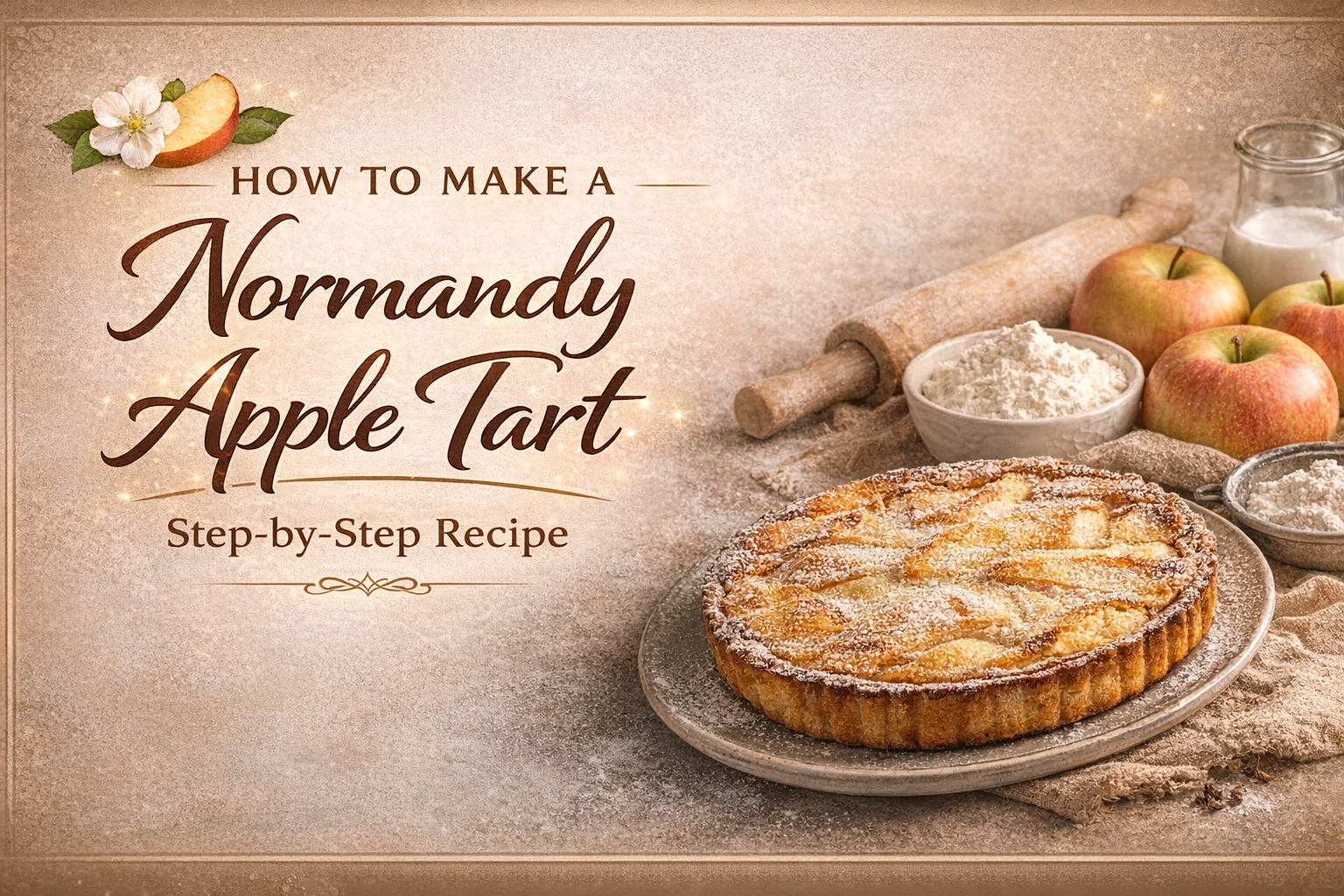
There is something inherently magical about the aroma of simmering apples, buttery pastry, and a hint of vanilla wafting through a home kitchen. It is a scent that transcends borders, but in the heart of northern France, it represents a centuries old culinary tradition. The Normandy Apple Tart, or Tarte Normande, is more than just a dessert; it is a celebration of the region’s most famous exports: crisp orchard apples, rich heavy cream, and the spirited kick of Calvados. If you have ever longed to recreate that authentic French bakery experience in your own home, you are in the right place. This guide will walk you through the nuances of crafting a masterpiece that balances a flaky, shortcrust base with a silky, custard-like filling.
The Essence of Normandy on a Plate
To understand why this specific tart is so revered, we have to look at the geography of Normandy itself. Unlike many other regions of France that rely heavily on olive oil or wine grapes, Normandy is a land of lush pastures and endless apple orchards. This has led to a culinary identity built on high quality dairy and pomology. The Tarte Normande is the crown jewel of this tradition. Unlike a typical American apple pie which is piled high with fruit and enclosed in a double crust, the Normandy version is elegant, open faced, and defined by its creamy “migaine” (the egg and cream custard) that binds the fruit together.
What sets this recipe apart from a standard apple tart is the texture. By using a pâte brisée, or “broken dough,” we create a sturdy yet delicate vessel that can hold the weight of the custard without becoming soggy. It provides a savory, salty counterpoint to the sweetness of the fruit and the richness of the cream. When you take your first bite, you experience the initial crunch of the crust, the soft give of the poached apples, and the melt-in-your-mouth finish of the custard.
The Secret Role of Calvados
While the recipe notes that Calvados or rum is optional, any French chef will tell you it is the soul of the dish. Calvados is an apple brandy from the Normandy region that undergoes a rigorous fermentation and distillation process. Adding just a tablespoon or two to your filling mixture does not make the tart “boozy” in a harsh way. Instead, it intensifies the natural apple flavors and adds a complex, woody undertone that elevates the dessert from simple to sophisticated. If you do not have Calvados on hand, a high quality dark rum or even a splash of apple cider can provide a similar depth.
Mastering the Pâte Brisée Base
The foundation of any great tart is the crust. While it is tempting to reach for a store bought shortcut, making your own pâte brisée is a rewarding skill that takes less than ten minutes of active work. The goal is to achieve a texture that is “short,” meaning it should crumble beautifully rather than being chewy or tough.
Why Cold Butter is Non-Negotiable
The science of a flaky crust lies in the temperature of your fats. When you incorporate 100g of cold, cubed butter into 200g of flour, you are looking to create small, pea sized clumps. These bits of fat are trapped within the flour structure. When the tart hits the hot oven, the water in the butter evaporates rapidly, creating tiny pockets of steam. This is what gives the crust its characteristic lift and flakiness. If your butter is room temperature, it will simply blend into the flour, resulting in a greasy, dense shell.
The Importance of Resting the Dough
One of the most common mistakes home bakers make is rushing the process. After you have combined your flour, butter, egg, sugar, and salt, you must let the dough rest in the refrigerator for at least thirty minutes. This allows the gluten strands that were tightened during mixing to relax. A relaxed dough is much easier to roll out and is far less likely to shrink down the sides of your tart pan during the baking process. If you have the time, letting it rest overnight is even better.
Choosing the Right Apples
Not all apples are created equal when it comes to baking. For a Normandy Apple Tart, you want a variety that can withstand the heat of the oven without turning into applesauce. You are looking for a balance of sweetness and acidity to cut through the richness of the cream custard.
- Granny Smith: A classic choice for those who love a tart edge. They hold their shape perfectly and provide a bright contrast to the sugar.
- Honeycrisp: These stay incredibly firm and offer a lovely honey-like sweetness that pairs well with vanilla.
- Braeburn or Gala: These are excellent “all-rounder” apples that provide a traditional flavor profile and a soft, but not mushy, texture.
- Golden Delicious: A favorite in France for its mellow flavor and ability to caramelize beautifully under the custard.
When prepping your 3 to 4 apples, try to slice them uniformly. This ensures that they all cook at the same rate and allows you to arrange them in a beautiful concentric circle, which is the hallmark of a professional looking French tart.
The Art of the Custard Filling
The filling is what truly defines the “Normandy” style. It is a simple mixture of 150ml heavy cream, 2 eggs, 60g sugar, and vanilla. This mixture is poured over the apples after they have been arranged in the par-baked shell. As it bakes, the eggs set the cream into a delicate flan-like consistency that fills the gaps between the fruit.
Achieving the Perfect Set
You want to bake the tart until the custard is just set and has taken on a light golden hue. It should still have a slight “jiggle” in the very center when you move the pan; it will continue to firm up as it cools on the counter. Overbaking can cause the custard to curdle or separate, so keep a close eye on it during the final ten minutes. The sugar in the recipe is relatively modest (60g), which allows the natural sweetness of the heavy cream and the apples to shine through without being cloying.
Step by Step Assembly Guide
To ensure your success, let us break down the assembly into manageable phases. First, prepare your dough and let it chill. Once chilled, roll it out on a lightly floured surface to about 3mm thickness. Carefully drape it over your tart tin, pressing it into the edges, and trim the excess. It is highly recommended to “blind bake” the crust for about 10 to 12 minutes using pie weights or dried beans. This prevents the bottom from becoming soggy once the wet filling is added.
While the shell cools slightly, peel, core, and slice your apples. Arrange them in the shell in a decorative pattern. In a separate bowl, whisk together your cream, eggs, sugar, vanilla, and your optional splash of Calvados. Pour this gently over the apples. Return the tart to the oven and bake at 180C (350F) for approximately 30 to 35 minutes.
A Finishing Touch of Elegance
Once the tart comes out of the oven and has cooled, a light dusting of powdered sugar adds a professional finish. For an even more authentic look, you can brush the top of the fruit with a bit of warmed apricot jam. This gives the tart a stunning “patisserie” shine and prevents the apples from drying out if you are preparing the dish a few hours in advance.
Pairing and Serving Suggestions
The Normandy Apple Tart is incredibly versatile. It is humble enough for a Sunday afternoon tea but sophisticated enough to serve at the end of a multi course dinner party. In Normandy, it is often served with a side of thick, tangy crème fraîche. The acidity of the cultured cream is the perfect partner for the sweet, buttery tart.
In terms of beverages, a glass of chilled demi-sec cider is the traditional accompaniment. The bubbles and apple notes in the cider echo the flavors within the tart itself. If you prefer wine, a late harvest Riesling or a glass of Sauternes provides a luxurious pairing that highlights the vanilla and custard notes of the dessert.
Conclusion: A Recipe Worth Mastering
Mastering the Normandy Apple Tart is a rite of passage for any aspiring baker. It teaches the fundamental principles of pastry work, the importance of ingredient temperature, and the art of balancing simple flavors to create something extraordinary. While it may seem daunting to make a tart from scratch, the process is actually quite forgiving and deeply therapeutic. There is a profound satisfaction in taking raw flour, butter, and fruit and transforming them into a golden, fragrant masterpiece that brings joy to everyone at the table.
Whether you are celebrating a special occasion or simply want to treat your family to a taste of France, this recipe is a timeless classic that never fails to impress. So, clear your counter, grab your rolling pin, and let the flavors of Normandy inspire your next baking adventure. Your kitchen is about to become the best bakery in town.