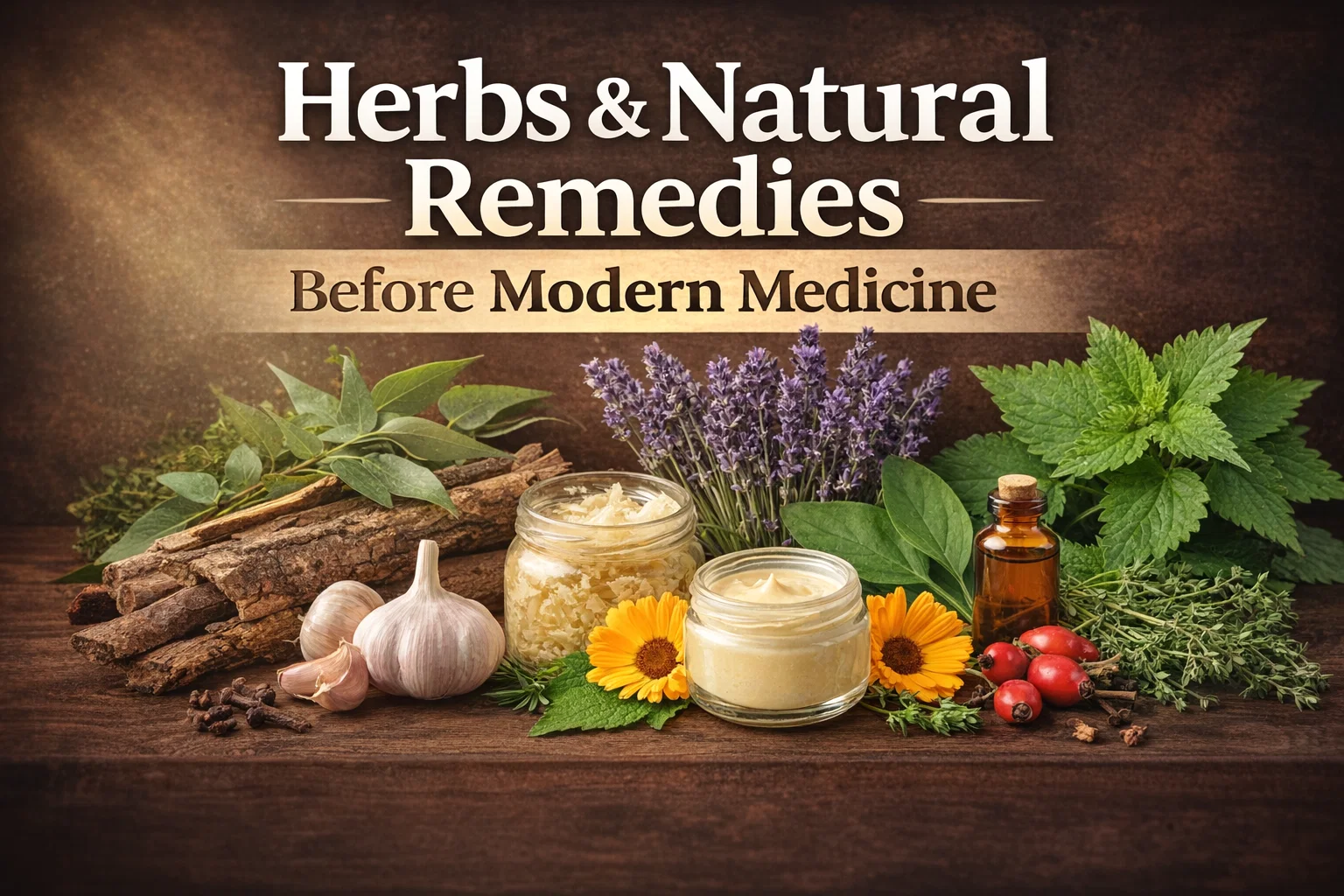
Before There Was Medicine 14 Essential Natural Herbal Remedies
In our modern world, we often rush to the pharmacy at the first sign of a sniffle, ache, or scrape. We have become accustomed to pills in blister packs and syrups in plastic bottles. Yet, for thousands of years before the advent of synthetic pharmaceuticals, humanity relied on a different kind of medicine cabinet. It was vast, green, and growing right outside the front door. The forests, fields, and gardens provided a rich apothecary of healing plants that our ancestors used to treat everything from headaches to infections.
There is a growing movement today to reclaim this lost knowledge. It is not about rejecting modern science, but rather about integrating the wisdom of the past with our current understanding of wellness. Many of the medicines we rely on today actually have their roots in these very plants. By understanding the original sources of healing, we can find gentler, more sustainable ways to support our bodies. Let us take a walk through the historical apothecary and explore fourteen essential botanicals that served as medicine long before the drugstores existed.
Nature’s Answer to Pain and Inflammation
Pain is perhaps the most immediate signal our body gives us, and historically, it was the condition that required the most urgent attention. Before we had non-steroidal anti-inflammatory drugs, nature provided powerful alternatives that worked with the body’s inflammatory response.
Willow Bark: The Original Aspirin
Long before you could pop a white pill for a headache, healers were peeling the bark from willow trees. This is not just folklore; it is chemical fact. Willow bark contains salicin, a compound that functions very similarly to acetylsalicylic acid, the active ingredient in aspirin. When ingested, the body converts salicin into salicylic acid, which helps to lower pain and reduce inflammation.
Historically, this was chewed or brewed into a bitter tea to treat fevers, joint pain, and general aches. It represents one of the clearest links between ancient herbalism and modern pharmacology. While it acts slower than a synthetic tablet, many herbalists prefer it because it tends to be gentler on the stomach lining than its modern concentrated counterpart.
Arnica: The Bruise Banisher
If you have ever walked into a natural health store, you have likely seen Arnica gel. This bright yellow flower, found in mountainous regions, has been the go-to remedy for physical trauma for centuries. Before we had chemical pain balms, Arnica was applied topically to reduce swelling, heal deep bruising, and soothe muscle soreness. It works by stimulating white blood cell activity, which helps disperse trapped fluid from bruised tissue and fight inflammation. It is a staple in the first-aid kits of hikers and athletes who prefer a plant-based approach to recovery.
Clove: The Ancient Anesthetic
Tooth pain is notoriously excruciating, and before modern dentistry, it could be debilitating. Enter the humble clove. This spice, now associated with holiday baking, contains a powerful compound called eugenol. Eugenol is a natural anesthetic and antiseptic. Historically, if someone had a toothache, they would chew on a clove or apply clove oil directly to the gum. It works almost instantly to numb the area and fight oral bacteria. Even today, you will find eugenol used in some temporary dental cements because it is so effective at quieting an angry nerve.
Respiratory Health and Immunity
The changing seasons have always brought coughs, colds, and flu. Without antibiotics or cough suppressants, our ancestors relied on potent antivirals and expectorants found in the plant kingdom to see them through the winter.
Elderberry: The Immune Booster
Long before sweet, cherry-flavored cough syrups lined the shelves, there was elderberry. These dark, tart berries have been used for generations to make syrups and tinctures designed to calm coughs and soothe sore throats. Rich in antioxidants and vitamins, elderberry is traditionally used to support the immune system right at the onset of a cold. It helps to inhibit the replication of viruses, potentially shortening the duration of sickness. It is a delicious example of food as medicine.
Eucalyptus: The Forest’s Vapor Rub
The piercing, fresh scent of eucalyptus is instantly recognizable. Before commercial vapor rubs utilized synthetic menthol, the leaves of the eucalyptus tree were the primary remedy for congestion. Rich in volatile oils, eucalyptus naturally opens the lungs and breaks down mucus. In traditional settings, the leaves might be steamed in hot water, allowing the sick person to inhale the vapors to clear their airways. It remains one of the most effective natural ways to breathe easier during a respiratory infection.
Wild Cherry Bark: The Cough Tamer
A dry, hacking cough can be exhausting. In the traditional apothecary, Wild Cherry Bark was the solution. It acts as an expectorant and a mild sedative for the respiratory system. It helps to calm the cough reflex, allowing the body to rest, while also helping to clear out the lungs. It was often brewed into syrups with honey, creating a soothing coating for an irritated throat that tasted pleasant enough to administer to children.
Garlic: The Antimicrobial Powerhouse
Garlic is perhaps the most potent medicine in the kitchen. Before antibiotics were discovered in the 20th century, garlic was the frontline defense against infection. It contains allicin, a compound with strong antibacterial, antiviral, and antifungal properties. During times of plague and war, garlic was used to treat wounds and fight off systemic illnesses. Eating it raw or fermented provides a massive boost to the immune system, helping the body fight off invaders naturally.
Thyme: The Natural Disinfectant
Thyme is far more than a seasoning for your roasted chicken. It is a powerful antiseptic. Before chemical disinfectants, thyme infusions were used to clean surfaces and wash wounds. Its essential oils, specifically thymol, are incredibly effective at killing harmful microbes. When brewed as a tea, it helps disinfect the throat and lungs, making it a dual-purpose herb for both external cleanliness and internal respiratory health.
Skin Care and Wound Healing
The skin is our first line of defense, and it often takes a beating. From cuts and scrapes to rashes and scars, nature provides a surprisingly complete kit for dermatological care.
Plantain Leaf: The Green Bandage
You have likely stepped on plantain leaf without noticing it; it grows in cracks in the sidewalk and grassy lawns everywhere. Yet, this common weed is one of the most effective wound healers available. Known as nature’s band-aid, plantain leaf was chewed or mashed into a poultice and placed directly on bee stings, bug bites, and cuts. It has a miraculous ability to draw out toxins and reduce the itch of a sting almost immediately. It also contains allantoin, which promotes cell growth and helps wounds close faster.
Calendula: The Gentle Soother
For sensitive, inflamed, or cracked skin, calendula is the golden standard. Before steroid creams and synthetic lotions, this bright orange flower was infused into oils and salves to treat eczema and diaper rash. It is incredibly gentle, making it safe for babies and the elderly. Calendula promotes healing while reducing redness and inflammation, effectively helping the skin repair its moisture barrier naturally.
Rosehip Oil: The Restoration Serum
Long before expensive retinols and chemical peels, there was rosehip oil. Harvested from the fruit of the rose bush, this oil is rich in Vitamin A and essential fatty acids. It was historically used to speed up skin repair, fade scars, and brighten the complexion. It is a regenerative oil that helps turn over skin cells, making it an ancient secret for maintaining youthful, healthy skin without harsh chemicals.
Nervous System and Gut Health
Health is not just about fixing a broken part; it is about maintaining balance in the mind and the gut. Our ancestors understood that a calm mind and a healthy digestion were the foundations of vitality.
Lavender: The Sleep Aid
In a world without sleeping pills, insomnia was treated with the scent of lavender. This purple bloom is famous for its ability to calm the nervous system. Whether dried in pillows or distilled into oil, lavender lowers cortisol levels and induces a state of deep relaxation. It was, and still is, the primary herbal remedy for anxiety and restlessness, proving that sometimes the most effective medicine is simply a deep breath of the right plant.
Nettle Leaf: The Mineral Tonic
Stinging nettle is often regarded as a nuisance, but once dried or cooked, it becomes a nutritional powerhouse. Before iron pills and multivitamins, nettle infusions were used to build the blood. It is packed with iron, calcium, and magnesium. It was used as a spring tonic to wake up the body after a long winter of preserved foods, boosting red blood cells and energy levels naturally.
Sauerkraut: The Probiotic Ancestor
Gut health is a trendy topic now, but it was a survival necessity in the past. Before we could buy probiotic capsules, we relied on fermentation. Sauerkraut, or fermented cabbage, is teeming with living cultures that support the microbiome. Eating fermented foods was a way to preserve the harvest, but it also ensured that people had a steady supply of beneficial bacteria to aid digestion and boost immunity. It reminds us that food and medicine are often one and the same.
Embracing the Old Ways
Looking at this list, it becomes clear that nature is not just a backdrop for our lives; it is a life-support system. While modern medicine is miraculous for acute emergencies and life-saving surgeries, the day-to-day maintenance of our health can often be managed with these gentler, time-tested remedies. By incorporating things like elderberry for colds or chamomile for sleep, we reduce our reliance on synthetic chemicals and reconnect with the rhythms of the natural world.
These fourteen remedies are just the beginning. They represent a philosophy of care that views the body as a garden to be tended rather than a machine to be fixed. Whether you are brewing a cup of willow bark tea or applying a calendula salve, you are participating in a lineage of healing that stretches back to the very beginning of human history.