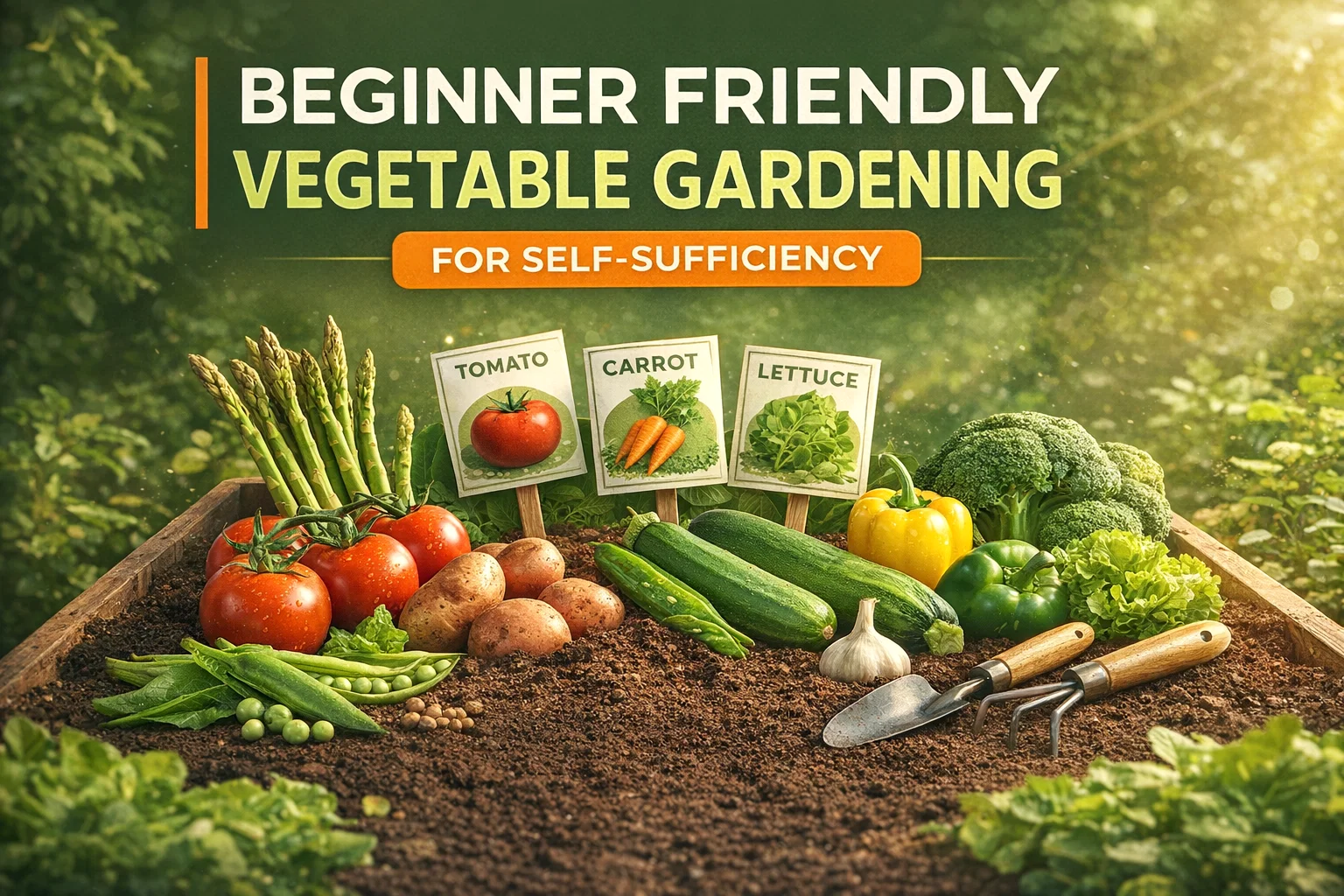
Beginner Vegetable Gardening Guide Best Plants for a Self-Sufficient Garden Planting Tips
Stepping into the world of gardening for the first time feels a bit like opening a door to a new way of living. There is something deeply grounding about putting your hands in the soil and knowing that, with a little patience and the right timing, you can grow your own food. If you have been dreaming of a backyard filled with crisp lettuce, vibrant tomatoes, and earthy root vegetables, you are in the right place. Transitioning to a self-sufficient lifestyle through gardening does not require a massive farm or decades of experience. It starts with understanding the basic needs of each plant and aligning your efforts with the natural rhythms of the seasons. This guide will walk you through everything you need to know to start your first vegetable garden with confidence.
The Foundations of a Self-Sufficient Garden
Self-sufficiency is more than just a buzzword; it is a practical approach to food security and personal wellness. When you grow your own vegetables, you control the quality of your food, avoid harmful pesticides, and reduce your carbon footprint. However, for a beginner, the sheer number of options can be overwhelming. The key is to start with crops that offer a high yield for relatively low effort.
Before you even pick up a trowel, you must consider your garden’s location. Most vegetables need at least six to eight hours of direct sunlight every day. You should also ensure that your garden is close to a water source, as consistent hydration is the lifeline of any productive plot. Starting small, perhaps with a few raised beds or even containers, allows you to learn the ropes without becoming discouraged by the workload.
Spring Stars: Cool Weather Crops to Start Your Season
Many beginners make the mistake of waiting until the height of summer to start planting. In reality, some of the most delicious and nutritious vegetables thrive in the cool, damp conditions of early spring. These plants are often frost-tolerant, meaning they can handle a bit of a chill while they establish their root systems.
Leafy Greens and Hardy Roots
Vegetables like Kale, Spinach, and Swiss Chard are the champions of the early season. They prefer the cool weather and can often be harvested multiple times throughout the spring and again in the fall. Spinach and Kale, in particular, are packed with vitamins and are incredibly versatile in the kitchen. Lettuce, whether you prefer headed varieties or loose leaf types, also thrives when the air is crisp. If the weather gets too hot, these greens tend to bolt or turn bitter, so getting them in the ground early is essential.
Root vegetables like Radishes, Beets, and Carrots are also perfect for the spring. Radishes are perhaps the most rewarding for beginners because they grow incredibly fast, sometimes ready for harvest in as little as three weeks. Carrots and beets take a bit longer but provide a satisfying bulk to your self-sufficient harvest. Planting these in early spring ensures they develop their natural sugars before the intense summer heat sets in.
The Magic of Asparagus and Peas
Asparagus is a unique addition to any garden. While it requires patience because it is a perennial that takes a couple of years to fully establish, it provides a reliable harvest every spring for decades once it settles in. Peas are another spring favorite. They love to climb, so providing a small trellis or netting will help them flourish. There is nothing quite like the taste of a snap pea plucked straight from the vine in the morning dew.
Mid-Season Mastery: Transitioning to Warm Weather Favorites
As the danger of frost passes and the soil begins to warm up, it is time to shift your focus to the heavy hitters of the vegetable garden. These are the plants that define the summer season, requiring plenty of sun and consistent warmth to produce their fruit.
The Essential Tomato and Pepper Duo
No self-sufficient garden is complete without Tomatoes. They are the centerpiece of summer gardening. Whether you choose cherry tomatoes for snacking or large heirloom varieties for canning, they need a long, warm growing season. Similarly, Bell Peppers and spicy pepper varieties thrive in the heat. These plants are best started as seedlings after the last frost has completely passed. They are heavy feeders, so making sure your soil is enriched with compost will yield a much better harvest.
Cucurbits: Zucchini, Cucumbers, and Squash
If you want a high volume of food, look no further than the squash family. Zucchini and Summer Squash are legendary for their productivity; a single plant can often provide enough vegetables for an entire family. Cucumbers are equally prolific and are perfect for those interested in food preservation, as they can be easily pickled for winter storage. These plants love the warm weather and need plenty of space to spread their vines.
The Power of Potent Staples: Potatoes, Garlic, and Onions
For true self-sufficiency, you need crops that provide calories and storage longevity. This is where the staples of the garden come into play. These vegetables are the backbone of many meals and can often be kept for months after harvest if stored correctly.
Potatoes and Onions
Potatoes are surprisingly easy to grow and are incredibly satisfying to harvest. It feels like digging for buried treasure! They prefer to be planted in early spring and can be grown in the ground, in raised beds, or even in specialized grow bags. Onions and Leeks are also vital. While they take a while to mature, they are essential aromatics for almost any dish you will cook. Planting onions in the early spring allows them to establish their bulbs during the long days of summer.
Garlic: The Patient Gardener’s Reward
Garlic is a bit of an outlier because it is usually planted in the fall. It sits in the ground through the winter, through the snow and ice, and begins to grow as soon as the soil thaws in the spring. By mid-summer, you will have fresh bulbs that are far more flavorful than anything you can buy at a grocery store. It is a set-it-and-forget-it crop that every beginner should try.
Understanding Your Unique Climate
While general guidelines are helpful, the most important factor in your gardening success is your local climate. Every region has its own “hardiness zone,” which dictates the average dates of the first and last frosts. Successful gardening depends on the specific conditions of where you live. For example, if you live in a northern climate, your growing season might be short, requiring you to start seeds indoors. If you are in a southern climate, the intense heat of July might actually be too much for some vegetables, requiring you to use shade cloths.
Observing your yard is also crucial. Pay attention to where the water pools after a rainstorm and where the shadows fall in the late afternoon. Microclimates in your own backyard can make a big difference. A brick wall that holds heat might be the perfect spot for a heat-loving eggplant, while a slightly shadier corner could keep your lettuce from wilting in the sun.
Essential Tips for Garden Maintenance
Planting is just the beginning. To reach a harvest that truly supports self-sufficiency, you need to stay on top of daily and weekly tasks. This does not have to be a chore; many gardeners find the routine of tending to their plants to be a form of meditation.
- Mulching: Applying a layer of straw or wood chips around your plants helps retain moisture in the soil and suppresses weeds.
- Consistent Watering: Vegetables prefer deep, infrequent watering rather than light daily sprinkles. This encourages the roots to grow deep into the earth.
- Succession Planting: Don’t plant all your seeds at once. By staggering your planting every two weeks, you ensure a continuous harvest rather than a massive glut of vegetables all at once.
- Pest Management: Keep an eye out for common garden pests. Often, simply picking off bugs by hand or using a gentle soap spray is enough to keep your plants healthy.
The Joy of the Harvest and Looking Forward
There is a profound sense of pride that comes with sitting down to a meal where every ingredient came from your own backyard. As a beginner, you will undoubtedly face challenges. Some plants might not thrive, and the weather might not always cooperate. However, every season is a learning experience. You will begin to notice the subtle changes in the soil, the way the light shifts, and the specific needs of each variety you grow.
As you become more comfortable, you can start exploring advanced techniques like seed saving or building your own compost system. Self-sufficiency is a journey, not a destination. By starting with the beginner-friendly vegetables outlined in this guide, you are laying the groundwork for a more sustainable, healthy, and rewarding lifestyle. The garden is waiting for you, so grab your seeds and get started!
Whether you are planting a single pot of tomatoes on a balcony or converting your entire lawn into a vegetable patch, the act of growing food is a powerful step toward independence. Remember that nature is resilient, and as long as you provide the basics of good soil, water, and sun, your garden will find a way to flourish. Save your planting guides, keep a garden journal, and enjoy the process of becoming a gardener. Happy planting!