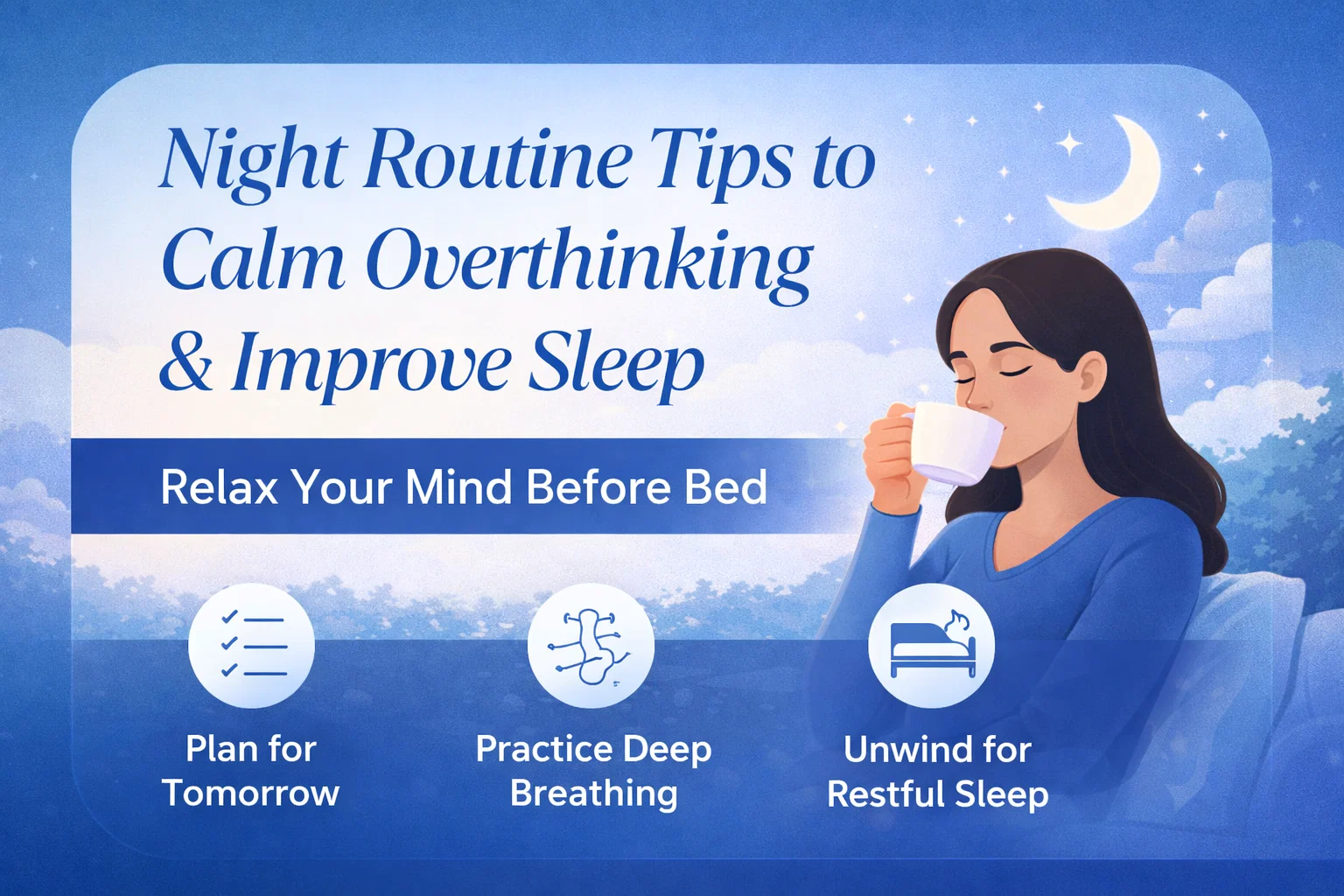
Best Bedtime Routine Tips to Stop Overthinking Sleep Better
We have all been there. You crawl into bed after a long, exhausting day, ready to drift into a peaceful slumber, but as soon as your head hits the pillow, your brain decides it is the perfect time to review every conversation you had in 2014. The silence of the night often acts as a megaphone for our inner critic, leading to hours of tossing, turning, and overthinking. This mental loop does more than just ruin your mood; it creates a cycle of stress that impacts your physical health, productivity, and overall well-being.
The good news is that sleep is not just something that happens to you; it is something you can prepare for. By implementing a intentional night routine focused on calming the nervous system, you can train your brain to transition from high-alert mode to a state of deep restoration. This guide explores how to break the cycle of nighttime anxiety and reclaim your rest with actionable, science-backed habits.
The Science of Overthinking at Night
Why does our brain wait until 11:00 PM to bring up our biggest worries? During the day, we are surrounded by distractions, tasks, and social interactions that keep the prefrontal cortex busy. When the lights go out and the room goes quiet, those distractions vanish, leaving us alone with our thoughts. For many, this leads to rumination, a process where we repetitively focus on the causes and consequences of our problems rather than finding solutions.
When you overthink, your body remains in a state of sympathetic nervous system activation, also known as the fight or flight response. This triggers the release of cortisol, the stress hormone, which is the direct enemy of melatonin, the sleep hormone. To get back to sleep, we must manually flip the switch to the parasympathetic nervous system, telling our bodies that we are safe and it is okay to let go.
Creating a Sanctuary: The Importance of Your Environment
Your physical surroundings play a massive role in how quickly your mind settles. If your bedroom is cluttered or associated with work, your brain will struggle to recognize it as a place of rest. A calming night routine starts with the environment long before you actually close your eyes.
Dim the Lights to Signal Sleep
Our internal biological clock, or circadian rhythm, is highly sensitive to light. Exposure to bright overhead lights late at night can trick your brain into thinking it is still daytime. Aim to dim your lights or switch to warm-toned lamps at least one hour before bed. This simple shift encourages the natural production of melatonin, making you feel naturally drowsy rather than forced to sleep.
Keep it Cool and Quiet
Studies show that the optimal temperature for sleep is surprisingly cool, usually around 65 degrees Fahrenheit. As you fall asleep, your core body temperature naturally drops. A room that is too warm can interfere with this process, leading to restless movements and vivid, stressful dreams. Additionally, using white noise or calming background sounds can help mask sudden noises that might startle an overactive mind.
Practical Habits to Quiet the Mind
Once the environment is set, it is time to address the mental clutter. Using specific “brain dump” techniques and physical relaxation exercises can help bridge the gap between a busy day and a restful night.
The Power of the Paper Brain Dump
One of the biggest drivers of nighttime overthinking is the fear of forgetting something important for the next day. This creates a “mental load” that keeps your brain on high alert. To counter this, keep a notebook by your bed and write down your “tomorrow tasks” on paper. By externalizing these thoughts, you are giving your brain permission to stop holding onto them. You are effectively telling your mind, It is written down, I won’t forget it, so I can let it go for now.
Releasing Conversations Mentally
Social anxiety often peaks at night. We replay what we said, what they said, and what we should have said. Practice a mental release ritual. Acknowledge that the conversation is over and cannot be changed tonight. Remind yourself that today is complete. By consciously labeling the day as finished, you create a psychological boundary that prevents the day’s stress from bleeding into your rest period.
Physical Techniques for Immediate Relaxation
Sometimes you cannot think your way out of overthinking. In those moments, you have to use your body to calm your mind. Physical relaxation signals to the brain that there is no immediate threat, allowing the heart rate to slow down.
- Practice Slow Breathing: Focus on a steady breathing rhythm. Try inhaling for four counts, holding for four, and exhaling for eight. The long exhale is key to activating the vagus nerve and calming the heart.
- Relax Facial Muscles: We carry an incredible amount of tension in our jaws, brows, and even our tongues. Intentionally softening these muscles can have a ripple effect of relaxation throughout the entire body.
- Gentle Stretching: You do not need a full yoga session. Simply reaching for your toes or doing a slow neck stretch helps release the physical tension built up from sitting at a desk or rushing through chores.
Digital Detox: The Anti-Scrolling Rule
It is tempting to reach for your phone when you cannot sleep, but this is often the worst thing you can do for an overactive mind. Scrolling through social media or news feeds exposes you to blue light and unpredictable content that can trigger stress, envy, or more worry. Try to avoid checking your phone repeatedly. If you must use technology, stick to audio-based content like a guided meditation or a boring podcast that does not require visual engagement.
The Neutral Thought Strategy
If your mind is still racing, try to direct it toward something neutral and simple. Instead of thinking about your career or relationships, visualize something mundane, like the steps of baking a loaf of bread or the layout of a childhood home. These neutral thoughts occupy the brain enough to prevent rumination but are not stimulating enough to keep you awake.
Herbal Support and Nightly Rituals
Building a ritual creates a Pavlovian response. When you perform the same sequence of events every night, your body starts to prepare for sleep before you even hit the sheets. Incorporating a warm, caffeine-free beverage can be a powerful part of this ritual.
Sipping Toward Serenity
Drinking a cup of warm herbal tea slowly can be a meditative experience. Options like chamomile, valerian root, or lavender are well-known for their mild sedative effects. The warmth of the mug in your hands and the act of sipping slowly forces you to stay present in the moment rather than drifting into the future or the past.
Lowering the Pressure to Sleep
Paradoxically, the more we worry about not sleeping, the harder it becomes to fall asleep. This is known as sleep effort. Lower your expectations for perfect sleep. Tell yourself that even if you are just lying there resting, your body is still getting some benefit. This reduction in pressure often removes the final barrier to drifting off. Allow your body to unwind naturally rather than forcing a specific timeline.
A Step-by-Step Guide to Your New Night Routine
To make these tips easy to implement, here is a simple structure you can follow starting tonight. You do not have to do all of them at once; pick two or three and build from there.
60 Minutes Before Bed
Dim the lights and put your phone on its charger away from the bed. This is when you do your brain dump. Write down your to-do list for tomorrow and any lingering worries. If a conversation is bothering you, write down, I will address this tomorrow, and close the book.
30 Minutes Before Bed
Engage in your physical rituals. This could be a warm shower, putting on comfortable pajamas, or doing five minutes of light stretching. Make your herbal tea and enjoy it without the TV or phone. Focus on the scent, the warmth, and the feeling of the liquid. This is your time to be entirely present.
In Bed
Once you are under the covers, do a quick body scan. Start at your toes and move up to your face, intentionally relaxing every muscle group. If your mind starts to wander, return to a steady breathing rhythm. Remind yourself: Today is complete. Let the worries wait until morning. They will still be there tomorrow, but you will be much better equipped to handle them after a night of rest.
Conclusion: Finding Your Path to Peace
Overthinking at night is a common hurdle, but it does not have to be your permanent reality. By understanding that your mind needs a transition period, you can move away from the frustration of insomnia and toward a lifestyle of restorative rest. Consistency is the most important factor. The more you practice these routines, the more your brain will trust that night is a time for safety and silence.
Remember that some nights will be easier than others. If you have a particularly stressful day, your mind might put up a fight. Be patient with yourself. Use your breathing, dim your lights, and trust the process. By treating your sleep with the respect it deserves, you are not just improving your nights; you are setting the stage for a more focused, energetic, and happy version of yourself every morning. Drift into rest peacefully, knowing that you have done enough for today.
Would you like me to generate a specific 7-day sleep challenge outline to go along with this post?