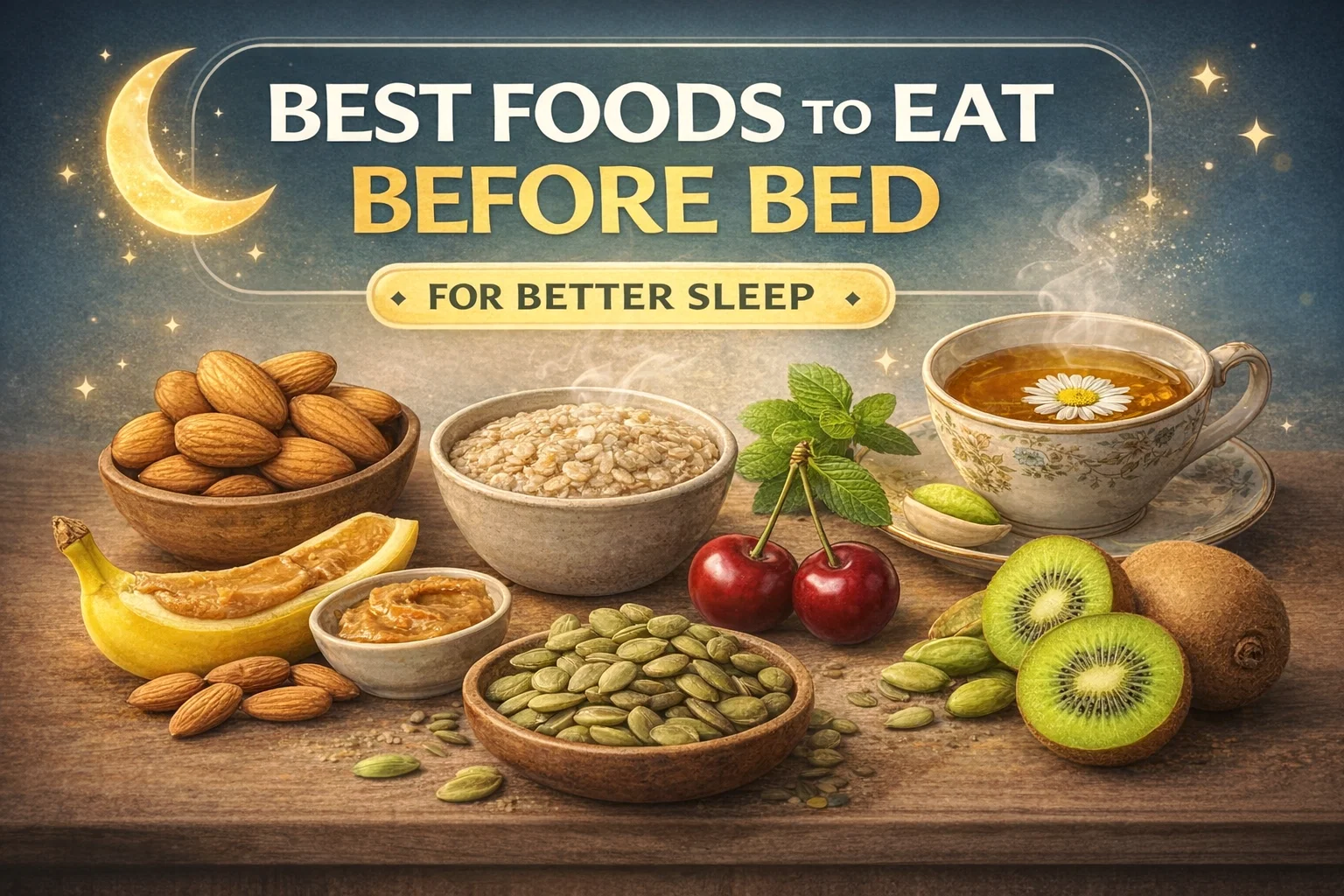
Best Bedtime Snacks for Deep Sleep Natural Foods to Eat Before Bed for Better Rest
If you have ever spent your night tossing and turning while staring at the ceiling, you know how frustrating a poor night of sleep can be. While many people turn to expensive mattresses or blackout curtains to fix their sleep hygiene, the answer might actually be sitting right in your kitchen. Your body is a complex chemical machine, and the fuel you provide it before bed can either act as a natural sedative or a disruptive stimulant. Understanding the science of sleep-promoting foods is the first step toward reclaiming your rest and waking up feeling truly recharged.
The relationship between nutrition and sleep is deeply rooted in how specific vitamins and minerals interact with our hormones. Elements like magnesium, tryptophan, and melatonin are not just buzzwords; they are the building blocks of a calm nervous system. By incorporating the right snacks into your evening routine, you can stabilize your blood sugar and encourage the production of neurotransmitters that tell your brain it is time to shut down. Let’s dive into the best foods to eat before bed and why they work so effectively for your holistic health.
The Power of Magnesium and Melatonin in Your Diet
Two of the most important players in the world of sleep science are magnesium and melatonin. Magnesium is often referred to as the relaxation mineral because it helps the body maintain healthy levels of GABA, a neurotransmitter that promotes sleep. When you are deficient in magnesium, your muscles may feel tense and your mind might race. On the other hand, melatonin is the hormone responsible for regulating your internal clock, signaling to your body that it is dark outside and time to rest.
Almonds: The Ultimate Relaxation Nut
Almonds are a powerhouse when it comes to sleep quality. They are an excellent source of healthy monounsaturated fats, but more importantly, they are loaded with magnesium. Just a handful of almonds provides a significant portion of your daily requirement. This mineral helps reduce inflammation and can lower levels of the stress hormone cortisol, which is known to interrupt sleep. If you find yourself feeling wired at night, a small serving of almonds could be the simple fix you need to settle your nervous system.
Pistachios: Nature’s Melatonin Supplement
While many people take melatonin in pill form, pistachios offer a natural alternative. They are among the richest food sources of melatonin available. In addition to this sleep-inducing hormone, pistachios provide vitamin B6 and magnesium. Vitamin B6 is crucial because it helps the body convert tryptophan into serotonin, the precursor to melatonin. Having a small bowl of pistachios while you wind down can provide a steady release of the nutrients your brain needs to transition into deep sleep cycles.
Warm and Soothing Choices for Better Rest
Sometimes the ritual of eating or drinking something warm is just as beneficial as the nutrients themselves. Warmth has a psychologically soothing effect that prepares the mind for relaxation. When combined with ingredients that fight inflammation or provide steady energy, these options become a formidable tool against insomnia.
Warm Oatmeal Beyond Breakfast
We often think of oatmeal as a morning food, but it is actually one of the best evening snacks you can choose. Oatmeal is rich in complex carbohydrates which trigger a gentle release of insulin. This process helps tryptophan enter the brain more easily, where it can then be converted into serotonin. Because oats are a slow-burning fuel, they also prevent blood sugar crashes in the middle of the night that might otherwise wake you up in a cold sweat or with a racing heart.
The Benefits of a Turmeric Almond Latte
If you prefer a liquid snack, a turmeric almond latte—often called Golden Milk—is a fantastic choice. Turmeric contains curcumin, a compound famous for its potent anti-inflammatory properties. Chronic inflammation can often lead to physical discomfort that makes falling asleep difficult. By mixing turmeric with almond milk, you get the benefits of magnesium along with the systemic calm that turmeric provides. It is a warm, comforting hug for your digestive and nervous systems.
Fruit-Based Solutions for Sweet Dreams
If you have a sweet tooth after dinner, you do not have to reach for processed sugars that will spike your energy. Certain fruits contain specific chemical compounds that act as natural sleep aids. These are perfect for satisfying a craving while simultaneously supporting your sleep hygiene goals.
Cherries: The Original Sleep Superfood
Tart cherries and sweet cherries alike are well-known for their high melatonin content. Consuming cherries or drinking tart cherry juice has been shown in various studies to increase sleep time and sleep efficiency. They help regulate the circadian rhythm, making it easier for your body to recognize when it is time to sleep. They are nature’s way of helping you get back on a consistent schedule without the grogginess often associated with over-the-counter sleep aids.
Kiwis and Serotonin Levels
Kiwis may be small, but they are incredibly mighty when it comes to improving rest. Research suggests that eating two kiwis before bed can help you fall asleep faster and stay asleep longer. This is largely attributed to their high concentration of serotonin. Beyond just making you feel happy, serotonin is a key chemical messenger in the brain that regulates the sleep-wake cycle. Kiwis are also packed with antioxidants like vitamin C, which help reduce oxidative stress in the body.
Satisfying Snacks to Stabilize Blood Sugar
One of the most common reasons for waking up at 3:00 AM is a drop in blood sugar. When your glucose levels dip too low, your body releases adrenaline and cortisol to compensate, which snaps you wide awake. Choosing snacks that balance protein, healthy fats, and complex carbs is the best way to ensure an uninterrupted night.
Banana with Almond Butter
This classic combination is a favorite for a reason. Bananas are famous for their potassium and magnesium content, both of which serve as natural muscle relaxants. When you pair a banana with almond butter, the healthy fats and protein in the nut butter slow down the absorption of the fruit’s natural sugars. This results in a slow, steady release of energy throughout the night, keeping your internal systems calm and your hunger satisfied until morning.
Pumpkin Seeds for Deep Relaxation
Pumpkin seeds, or pepitas, are an often overlooked sleep aid. They are exceptionally high in tryptophan, the amino acid that the body uses to produce serotonin and melatonin. They also offer a massive dose of zinc, which helps the brain convert that tryptophan more efficiently. Tossing some pumpkin seeds over a small bowl of yogurt or eating them plain is an easy way to boost your mineral intake before you hit the hay.
The Importance of Caffeine-Free Herbal Tea
While not technically a food, herbal tea is a vital component of a sleep-supporting diet. Sipping on a warm mug of tea can be a powerful psychological signal to your brain that the day is done. However, it is important to ensure you are choosing truly caffeine-free varieties to avoid the opposite effect.
- Chamomile: Contains apigenin, an antioxidant that binds to certain receptors in your brain that may promote sleepiness and reduce insomnia.
- Valerian Root: Often used as a natural treatment for symptoms of anxiety and sleep disorders.
- Passionflower: Known for its ability to reduce anxiety and improve sleep quality by increasing GABA levels in the brain.
- Peppermint: While not a sedative, it helps relax the muscles of the gastrointestinal tract, making it easier to sleep if you suffer from indigestion.
Creating a Sustainable Nightly Routine
Integrating these foods into your life is about more than just a single snack; it is about creating a holistic routine. To get the most out of these natural remedies, try to eat your bedtime snack about 30 to 60 minutes before you actually plan to sleep. This gives your body enough time to begin the digestion process and start circulating those helpful nutrients through your bloodstream.
It is also helpful to keep your portions small. While these foods are healthy, an overstuffed stomach can lead to acid reflux or discomfort that keeps you awake. Think of these as “sleep supplements” in food form rather than a full fourth meal of the day. Consistency is the key to seeing real changes in your energy levels and mental clarity.
Conclusion: Eating Your Way to Better Health
Improving your sleep does not always require a pharmacy. By looking toward the natural world and choosing foods rich in magnesium, tryptophan, and melatonin, you can work with your body’s natural rhythms instead of against them. From the crunch of a few almonds to the soothing warmth of a turmeric latte, these small dietary shifts can lead to a massive transformation in how you feel every single day.
Start tonight by picking one or two of these options and noticing how your body responds. Everyone is unique, so you may find that kiwis work wonders for you while your neighbor prefers a bowl of warm oatmeal. The journey to better sleep is a personal one, but with the right fuel, you are well on your way to the deep, restorative rest you deserve. Sweet dreams and happy snacking!
Would you like me to generate a list of sleep-friendly dinner recipes that incorporate these ingredients?