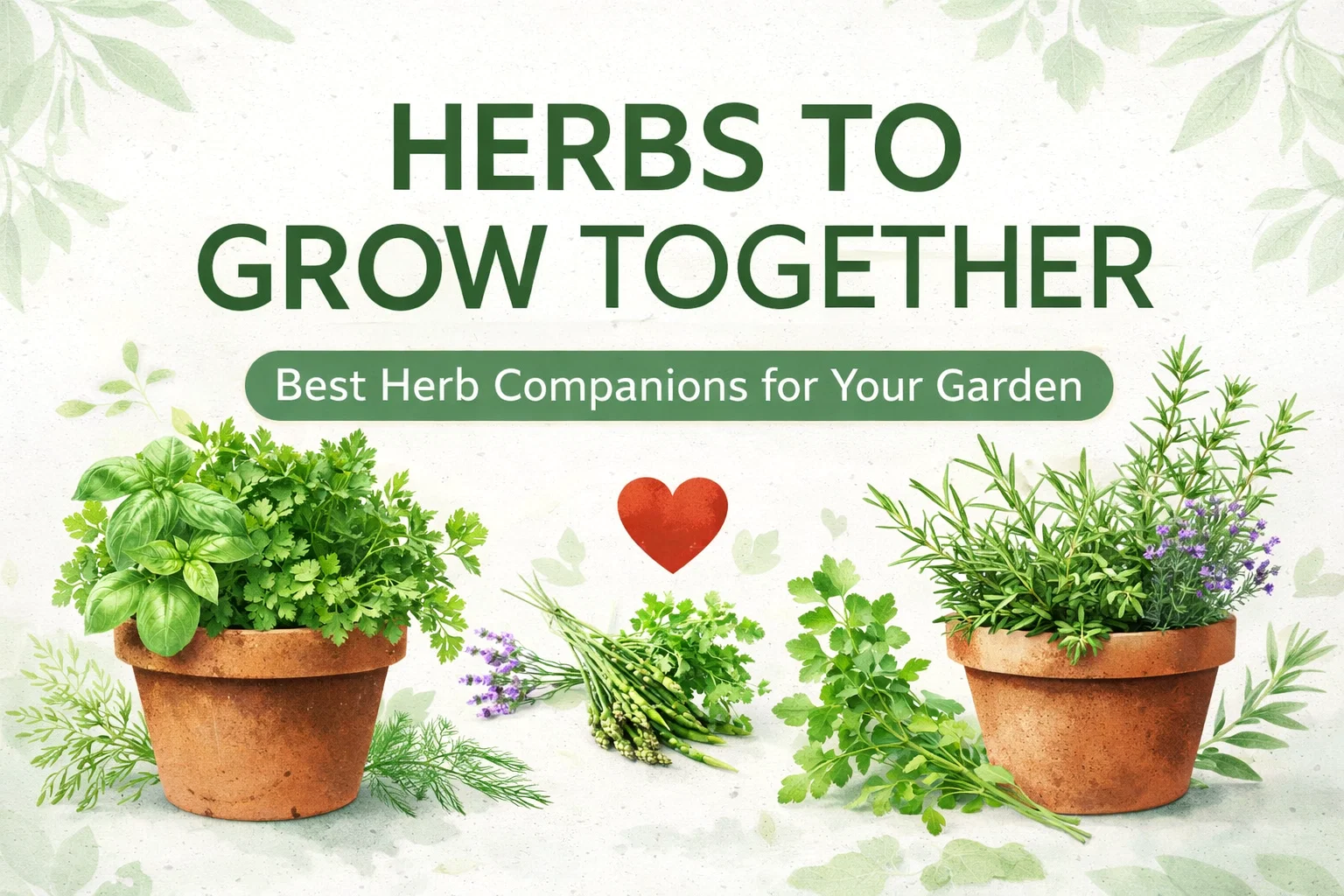
Best Companion Herbs Chart 15 Herbs to Grow Together for a Thriving Garden
Stepping into a garden filled with the scent of fresh herbs is one of the most rewarding experiences for any home cook or nature lover. There is something truly magical about reaching out to pluck a few leaves of basil for a Caprese salad or grabbing a sprig of rosemary to toss over roasted potatoes. However, creating a flourishing herb garden requires more than just sticking seeds in the soil and hoping for the best. To truly unlock the potential of your backyard or balcony plot, you need to understand the art and science of companion planting. This ancient gardening technique involves grouping specific plants together to enhance growth, improve flavor, and provide natural protection against pests.
The Magic of Companion Planting for Herbs
Companion planting is essentially the practice of creating a tiny ecosystem where plants support one another. Just like people, certain plants have best friends they thrive with, while others might compete for resources or even hinder each other’s growth. By following a well researched herb companion chart, you can ensure that your garden is not just a collection of pots, but a synergistic community. When you grow herbs together that share similar needs or offer mutual benefits, you reduce the need for chemical fertilizers and pesticides, leading to a much healthier and more organic harvest.
One of the primary benefits of this method is pest management. Some herbs, like lavender and mint, have very strong essential oils that confuse or repel harmful insects. When these are planted near more vulnerable crops, they act as a natural shield. Additionally, companion planting helps with space optimization. By understanding which herbs have deep taproots and which have shallow surface roots, you can layer your planting to make the most of every square inch of soil.
Classic Herb Pairings for a Thriving Garden
If you are looking at your seed packets and wondering where to start, looking at traditional pairings is the best way to build confidence. Some combinations have been used for centuries because they simply work. Let us dive into some of the most effective duos and trios you can plant today.
The Culinary Powerhouse: Basil and Parsley
Basil and parsley are the crown jewels of the kitchen garden. These two are frequently found together in recipes, and they are just as compatible in the dirt. Both of these herbs love consistent moisture and plenty of sunlight. Basil is known for its ability to repel flies and mosquitoes, which can make your gardening experience much more pleasant. Meanwhile, parsley acts as a wonderful ground cover that keeps the soil cool and moist for the basil roots. Growing them together ensures you always have the base for a perfect pesto or a fresh chimichurri right at your fingertips.
The Mediterranean Dream: Oregano, Thyme, and Rosemary
If you have a sunny spot with well draining soil, the Mediterranean trio is your best bet. Oregano, Thyme, and Rosemary all originate from rocky, dry climates. Because they share the same environmental preferences, they are extremely easy to maintain when grouped together. They require less frequent watering than leafy greens and can actually suffer if the soil stays too damp. Rosemary is a hardy perennial that provides structure, while oregano and thyme spread out as fragrant ground covers. Together, they create a beautiful, low maintenance herb bed that smells incredible every time the sun hits it.
The Protective Shield: Mint and Cilantro
Mint is famous for its vigorous growth and its powerful aroma. While it can sometimes be a bit of a garden bully if left unchecked, it is a fantastic companion for cilantro. Mint’s strong scent helps mask the smell of other plants from pests like aphids. Cilantro, which can be somewhat delicate and prone to bolting in the heat, benefits from the slightly cooler microclimate created by a surrounding patch of mint. Just remember to keep your mint in a container or a sunken pot if you are worried about it taking over the entire garden bed.
Advanced Grouping: Herbs and Vegetables
While growing herbs with other herbs is fantastic, the real magic happens when you integrate them into your vegetable patches. The image of herbs like dill and lavender being paired with asparagus or radishes highlights how herbs can act as biological bodyguards for your food crops.
Dill and Asparagus
Dill is a fascinating herb because it attracts beneficial insects like ladybugs and lacewings, which eat the aphids that often plague young asparagus shoots. Furthermore, dill has a deep root system that can help break up compacted soil, making it easier for asparagus crowns to expand. This pairing is a classic example of how a flowering herb can improve the yields of a perennial vegetable.
Radishes and Cilantro
Radishes are often used as a marker crop because they grow so quickly. When you interplant them with cilantro, the cilantro acts as a deterrent for flea beetles, which love to nibble on radish leaves. By the time the cilantro is ready for its first harvest, the radishes are usually being pulled out of the ground, leaving plenty of space for the cilantro to bush out and produce those delicious, citrusy leaves.
Environmental Factors: Sunlight and Water Requirements
To be successful with the pairings shown in the guide, you must consider the physical environment. Grouping plants isn’t just about their biological compatibility; it is about their lifestyle. You can categorize most herbs into two main camps: the Sun Seekers and the Moisture Lovers.
The Sun Seekers
- Rosemary: Thrives in full sun and requires very little water once established.
- Sage: Loves the heat and needs excellent drainage to avoid root rot.
- Thyme: A sun worshiper that can grow in even the poorest of soils.
- Tarragon: Prefers bright light and a bit of protection from heavy winds.
The Moisture Lovers
- Basil: Needs frequent watering, especially during the peak of summer.
- Parsley: Enjoys rich, damp soil and can handle a little bit of afternoon shade.
- Cilantro: Prefers cooler temperatures and consistent moisture to prevent it from going to seed too early.
- Mint: Will grow almost anywhere but is happiest in damp, shady spots.
Maximizing Space with Vertical Gardening and Containers
You do not need a massive backyard to implement these companion planting strategies. Many of these pairings work perfectly in containers or vertical planters. For example, you can plant a tall rosemary plant in the center of a large pot and surround the base with creeping thyme and oregano. This creates a beautiful tiered effect that is both functional and aesthetic.
For those with limited space, a vertical herb wall is a game changer. You can place the moisture loving herbs like basil and parsley at the bottom where water naturally settles, and the drought tolerant herbs like sage and rosemary at the top where the air circulates more freely and the soil dries out faster. This mimics natural elevation and ensures each plant is in its ideal zone.
Common Mistakes to Avoid in Herb Gardening
Even with a great chart, beginners often run into a few hurdles. One common mistake is overcrowding. While these plants love being near their friends, they still need air circulation to prevent fungal diseases like powdery mildew. Always check the mature size of an herb before planting it to ensure it has enough room to breathe.
Another pitfall is mixing “thirsty” plants with “dry” plants in the same container. If you plant rosemary right next to basil in a small pot, one of them will eventually be unhappy. Either the basil will wilt from thirst, or the rosemary will die from overwatering. Always group your companions based on their thirst levels first and their biological benefits second.
The Benefits of an Organic Kitchen Garden
Growing your own herbs using companion planting techniques is a step toward a more sustainable lifestyle. When you have a thriving herb garden, you reduce your reliance on store bought herbs that are often packaged in single use plastics and flown thousands of miles. Furthermore, the flavor of home grown herbs is incomparable. The essential oils are more potent, the colors are more vibrant, and the nutritional value is at its peak when you harvest seconds before cooking.
Beyond the kitchen, an herb garden is a haven for pollinators. Bees, butterflies, and hoverflies are attracted to the flowers of oregano, thyme, and lavender. By planting these together, you are providing a consistent food source for these vital insects, which in turn helps the rest of your garden thrive through better pollination.
Final Thoughts on Growing Your Herb Oasis
Starting an herb garden is one of the most fulfilling journeys a person can take. By using a companion planting chart as your roadmap, you take the guesswork out of gardening and set yourself up for a season of abundance. Whether you are pairing basil with parsley for your favorite pasta sauces or planting lavender and dill to keep the pests at bay, you are participating in a beautiful, natural process.
Remember that gardening is a continuous learning experience. Some years your cilantro might flourish, and other years your rosemary might be the star of the show. Pay attention to how your plants interact, note which pairings seem the happiest in your specific climate, and do not be afraid to experiment. With a little bit of planning and a lot of love, your herb garden will become a lush, fragrant sanctuary that feeds both your body and your soul. Happy planting!