Best Foods for ADHD Natural Brain Fuel for Focus, Dopamine Better ADHD Management
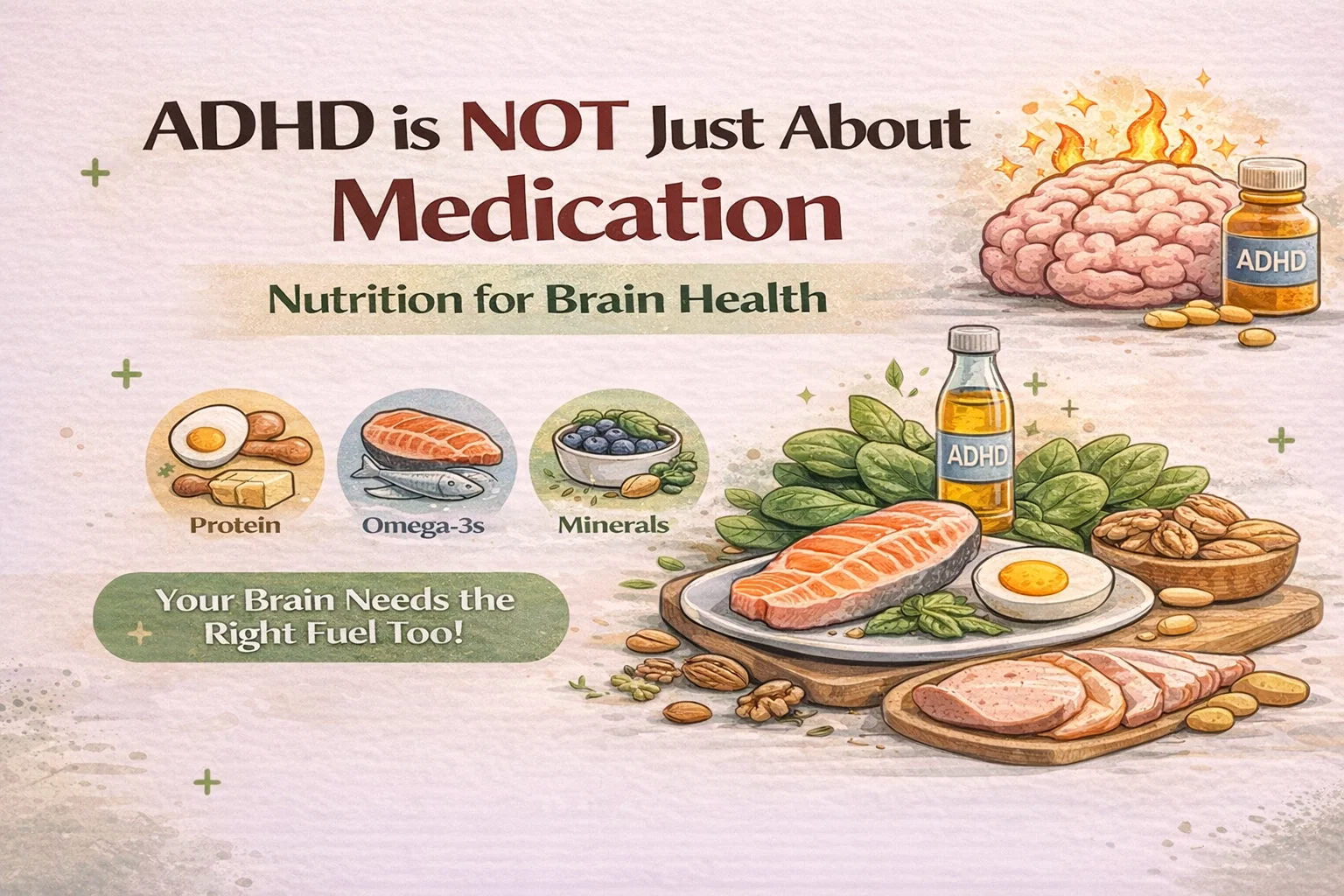
Understanding ADHD often starts with medication, but that is only one piece of the puzzle. When we talk about managing focus, motivation, and drive, we have to look at the physical fuel we are providing to the brain. The human brain is an incredibly hungry organ, and for those with ADHD, it has specific requirements that go beyond standard nutrition. By shifting the perspective from restriction to support, we can discover how certain foods act as natural tools for cognitive function.
The Science of the ADHD Brain and Dopamine
To understand why food matters so much, we first need to look at what is happening inside an ADHD brain. Research shows that these brains often run low on dopamine. This chemical is a neurotransmitter, which means it acts as a messenger between brain cells. It is specifically tied to our reward system, our ability to focus, and our internal drive to get things done. When dopamine levels are inconsistent, tasks that require sustained attention become significantly more difficult.
Dopamine and its close relative, norepinephrine, are not just produced out of thin air. They are built from specific building blocks called amino acids. The most important one in this context is tyrosine. Since tyrosine is primarily found in protein, the connection between what we eat and how we think becomes very clear. If you are not consuming enough high quality protein, your brain may lack the raw materials it needs to manufacture the very chemicals that help you stay on task.
Protein as the Ultimate Focus Fuel
If you want to support your brain’s dopamine production, protein should be the cornerstone of your meals. Many people with ADHD find that starting their day with a high protein breakfast significantly reduces that mid morning brain fog. It provides a steady release of energy and ensures that those essential amino acids are available right when the day begins.
Best Sources of Protein for Brain Health
- Eggs: A versatile and affordable source of protein that also contains choline, which is vital for brain health.
- Poultry: Chicken and turkey are excellent lean sources of tyrosine.
- Fish: This provides a double benefit of protein and healthy fats.
- Grass fed Beef: Often higher in specific minerals and healthy fats compared to grain fed alternatives.
Kid Friendly Protein Ideas
Getting children with ADHD to eat enough protein can be a challenge, especially if they are picky eaters. Making the food easy to grab and fun to eat is key. Egg muffins can be made in batches and frozen for quick mornings. Plain Greek yogurt topped with fresh berries offers a probiotic boost along with protein. For a dairy free option, chia pudding made with almond or coconut milk provides a unique texture and plenty of sustained energy.
Omega 3 Fatty Acids and Brain Communication
While protein builds the messengers, Omega 3 fatty acids build the roads they travel on. Our brain cells need to talk to each other constantly, and the quality of their communication depends heavily on the fats we consume. Specifically, DHA (docosahexaenoic acid) is a major structural component of the brain.
For those navigating ADHD, Omega 3s are essential for attention, emotional regulation, and working memory. Think of it as lubrication for the brain’s gears. When you have enough of these healthy fats, the transition between thoughts feels smoother and the ability to regulate big emotions becomes more manageable. Since our bodies cannot produce these fats on their own, we must get them through our diet or high quality supplementation.
Top Omega 3 Food Sources
- Wild Salmon: One of the richest sources of DHA and EPA available.
- Sardines and Anchovies: These smaller fish are low in mercury and incredibly high in healthy fats.
- Walnuts and Flaxseeds: Great plant based options to sprinkle on salads or yogurt.
Simple Ways to Increase Omega 3 Intake
If your family is not fond of fish, you can try baked salmon bites which have a milder flavor and a satisfying crunch. Some eggs are now fortified with Omega 3s, making it easy to swap them into your regular routine. For a more direct approach, a high quality fish oil liquid or capsule can fill the gaps on days when fresh fish is not on the menu.
The Minerals Most People Miss
Even with plenty of protein and healthy fats, the brain still needs specific minerals to act as catalysts for chemical reactions. Zinc, magnesium, and iron are the three heavy hitters in the world of ADHD nutrition. These minerals support dopamine signaling and help calm an overactive stress response. Many people with ADHD are found to be slightly deficient in these areas, which can exacerbate feelings of restlessness or irritability.
Magnesium for Calming and Sleep
Magnesium is often called the relaxation mineral. It helps regulate the nervous system and is particularly helpful for those who struggle with the “tired but wired” feeling at night. Leafy greens, pumpkin seeds, and almonds are fantastic sources. Including these in a dinner or evening snack can help transition the brain into a more restful state.
Zinc and Iron for Cognitive Function
Zinc is involved in regulating dopamine, while iron is a necessary co-factor for the enzymes that create it. Lentils and legumes are excellent plant based sources for both. By incorporating more lentils into soups or salads, you provide a steady supply of these minerals that keep the brain’s internal machinery running at peak efficiency.
Building an ADHD Friendly Kitchen
The goal is not perfection or strict restriction. For many people with ADHD, restrictive diets can lead to burnout or a cycle of bingeing. Instead, focus on “crowding out” less helpful foods by adding in more of the good stuff. Stocking your pantry with pumpkin seeds, hemp hearts, and nuts makes it easy to add a nutritional boost to any meal without much effort.
Consider meal prepping protein components ahead of time. Having cooked chicken or hard boiled eggs ready in the fridge removes the “executive function” hurdle of deciding what to eat when hunger hits. When the brain is hungry and low on dopamine, we tend to reach for quick sugars and simple carbs. Having a high protein alternative ready to go can change the trajectory of your entire afternoon.
Moving Away from the Willpower Myth
The most important takeaway is that ADHD is not a willpower issue. It is a brain support issue. When we struggle to focus or feel overwhelmed by a long to-do list, it is easy to blame our character or our lack of discipline. However, looking at the biological needs of the brain shifts the conversation toward self care and empowerment.
By treating your brain like a high performance engine that requires specific fuel, you give yourself the best possible chance to succeed. Diet is not a “cure” for ADHD, but it is a powerful foundation. When the brain has the amino acids, fatty acids, and minerals it needs, every other strategy—from therapy to medication to organizational tools—works more effectively.
Conclusion: Small Changes for Big Impact
Starting a new nutritional journey does not have to happen all at once. You can begin by simply adding one high protein snack to your day or swapping out a processed breakfast for something more nutrient dense. Pay attention to how you feel two hours after eating. Do you feel more stable? Is your focus a little sharper? These small observations will guide you toward the right balance for your unique brain.
Managing ADHD is a lifelong process of learning what works for you. By prioritizing protein, embracing healthy fats, and ensuring you get your essential minerals, you are giving your brain the respect and the resources it deserves. It is about building a lifestyle that supports your cognitive health so you can show up as your best self every single day.
Would you like me to generate a list of 10 quick ADHD-friendly snack recipes based on these ingredients?