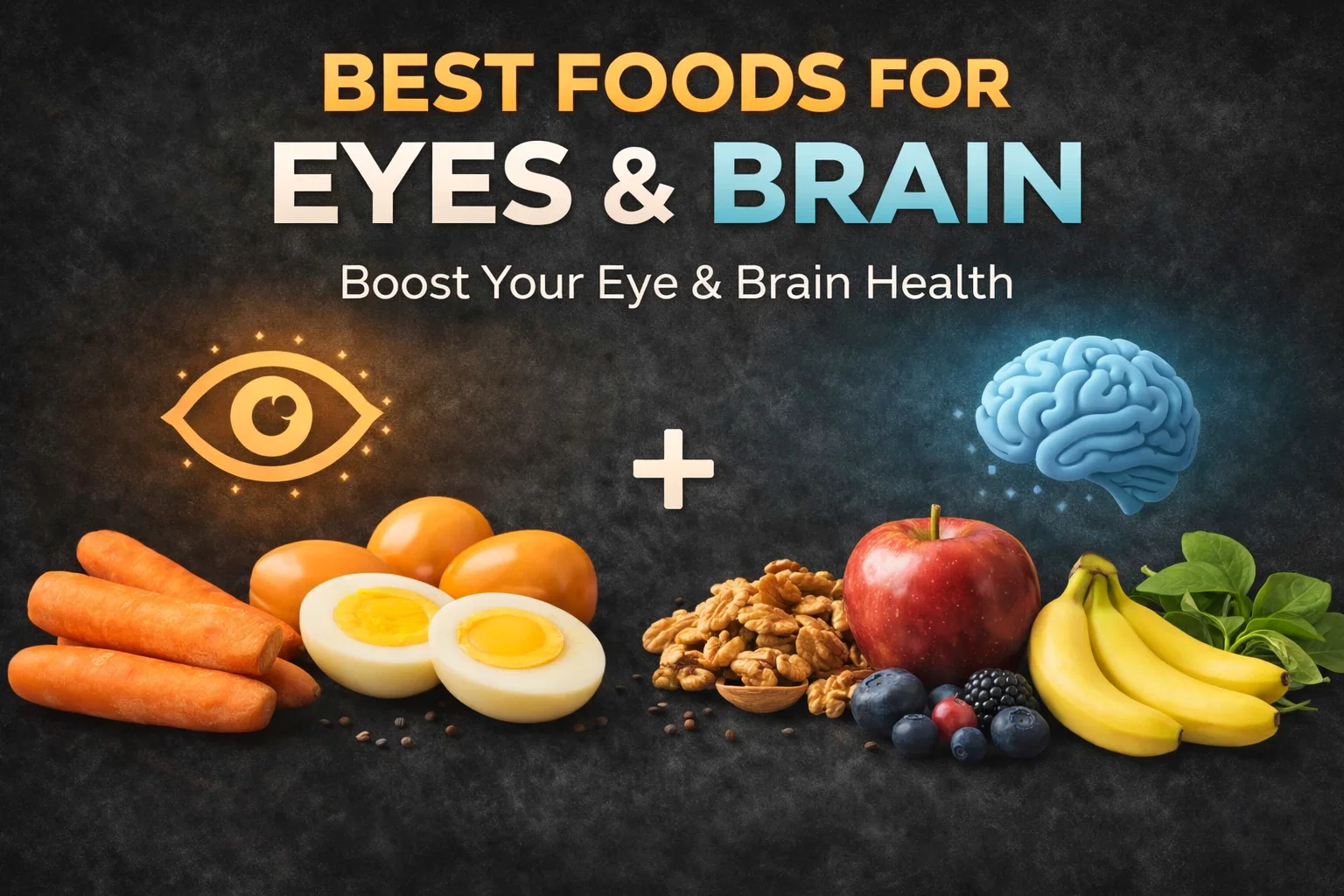
Best Foods for Brain Eye Health Daily Superfoods
Have you ever noticed how a heavy, processed meal leaves you feeling sluggish, while a fresh, nutrient-dense plate makes you feel instantly energized? What you put on your plate directly dictates how well you perform on a daily basis. Whether you are gearing up for a major standardized test, tackling a demanding professional project, or simply trying to stay sharp as you navigate daily life, your diet plays a massive role in your success. The connection between our gut, our mind, and our physical senses is undeniable. Today, we are diving deep into the ultimate superfoods that specifically target two of your most vital assets: your eyes and your brain.
We live in a world that constantly demands our focus. We stare at screens for hours on end, read dense textbooks late into the night, and process endless streams of information. This modern lifestyle places an immense amount of strain on our vision and our cognitive reserves. Fortunately, nature has provided us with an incredible pharmacy of whole foods designed to protect our eyesight, boost our memory, and enhance our mental clarity. Let us explore the best ingredients to add to your grocery list for optimal visual and cognitive health.
Fueling Your Vision: The Best Foods for Eye Health
Your eyes are incredibly complex organs that require a steady stream of specific vitamins and antioxidants to function correctly and ward off degenerative diseases. The delicate structures within the eye are highly susceptible to oxidative stress from blue light and environmental factors.
Shutterstock
By consuming foods rich in targeted nutrients, you can help fortify the retina, protect the macula, and maintain sharp vision for years to come.
The Power of Carrots
It is one of the oldest pieces of nutritional advice out there: eat your carrots for good eyesight. This classic wisdom holds a great deal of scientific truth. Carrots are absolutely loaded with beta-carotene, a type of vitamin A that gives these vegetables their vibrant orange hue. Vitamin A is a crucial component of rhodopsin, a protein in your eyes that allows you to see in low light conditions. Without adequate vitamin A, you might experience night blindness or dry eyes. Incorporating crisp, raw carrots into your daily routine is a simple and crunchy way to ensure your eyes have the foundational building blocks they need to process light efficiently.
Sunflower Seeds for Cellular Protection
Often overlooked as a simple snack, sunflower seeds are nutritional powerhouses for your vision. They are exceptionally rich in Vitamin E, a potent antioxidant. Vitamin E works tirelessly to neutralize free radicals, which are unstable molecules that can damage the healthy tissues in your eyes. This protection is especially important for warding off age-related macular degeneration and cataracts. Just a small handful of sunflower seeds sprinkled over a salad or blended into a smoothie can provide a significant portion of your daily Vitamin E requirement, creating a protective shield for your cellular health.
Egg Yolks: A Bioavailable Nutrient Source
Many people skip the yolk in favor of egg whites, but when it comes to eye health, the yolk is where the magic happens. Egg yolks are a premier source of lutein and zeaxanthin. These two powerful antioxidants accumulate in the retina and act almost like a natural sunblock for your eyes, filtering out harmful blue light from digital screens and sunlight. What makes egg yolks particularly special is their fat content. Because lutein and zeaxanthin are fat-soluble nutrients, the natural fats present in the yolk allow your body to absorb them much more efficiently than if you were to get them from plant sources alone.
Bell Peppers for Vascular Health
Bright, crunchy bell peppers are not just beautiful additions to a stir-fry; they are incredibly beneficial for the tiny blood vessels in your eyes. Red bell peppers, in particular, boast an extraordinary amount of Vitamin C. This essential vitamin is required for the production of collagen, a protein that provides structure to your eyes. Furthermore, Vitamin C reduces the risk of cataracts and helps maintain the health of the intricate vascular system that supplies blood to the retina. Snacking on raw pepper slices is a fantastic way to keep your eyes hydrated and structurally sound.
Powering Your Mind: Top Foods for Brain Health
Your brain is the command center of your body. Despite accounting for only a small percentage of your total body weight, it consumes roughly twenty percent of your daily energy. When you are staring down months of rigorous exam preparation or trying to memorize complex scientific concepts, your cognitive endurance is tested to its absolute limit. You cannot expect high performance from a brain running on low-quality fuel.
Shutterstock
Let us look at the specific foods that enhance memory, increase focus, and protect against cognitive decline.
Walnuts: The Ultimate Brain Food
It is a fascinating coincidence of nature that a walnut looks exactly like a miniature human brain. Walnuts are arguably the top nut for brain health due to their exceptionally high concentration of DHA, a type of Omega-3 fatty acid. DHA is a primary structural component of the human brain and cerebral cortex. Consuming adequate amounts of DHA has been repeatedly linked to improved cognitive performance, better memory retention, and a reduced risk of age-related cognitive decline. Eating a handful of walnuts a day is like providing direct structural support to your neural pathways.
Chia Seeds and Flax Seeds
If you are looking for plant-based sources of cognitive support, chia and flax seeds must be on your radar. Both of these tiny seeds are incredibly rich in alpha-linolenic acid, another important Omega-3 fatty acid. They are also packed with fiber and antioxidants. The Omega-3s help build brain and nerve cells, which are essential for learning and memory. You can easily disguise these seeds in oatmeal, yogurt, or baked goods, making them an effortless addition to a brain-boosting diet.
Spinach and Leafy Greens
Popeye was right to rely on spinach for physical strength, but it is equally potent for mental agility. Dark leafy greens like spinach are loaded with brain-healthy nutrients like vitamin K, lutein, folate, and beta-carotene. Research suggests that these plant-based nutrients may help slow cognitive decline. Folate, in particular, is vital for proper brain function and plays a key role in mental and emotional health. A generous serving of spinach in your daily diet ensures your brain has the micronutrients necessary to sustain long hours of deep concentration.
Berries for Neuroprotection
Deeply colored berries, such as blueberries and blackberries, are packed with antioxidants known as anthocyanins. These compounds possess powerful anti-inflammatory and antioxidant effects. This means they can reduce inflammation and oxidative stress in the brain, two conditions that can contribute to brain aging and neurodegenerative diseases. Antioxidants in berries have also been found to accumulate in the brain and help improve communication between brain cells. Adding a handful of fresh or frozen berries to your morning routine is a delicious way to keep your neural connections firing rapidly.
The Humble Apple
We all know the saying about an apple a day, and it certainly applies to brain health. Apples contain a high concentration of quercetin, an antioxidant plant chemical that protects brain cells from free radical damage. Quercetin is particularly concentrated in the skin of the apple, so be sure to wash them well and eat them unpeeled. Regular consumption of apples can help protect your memory and maintain sharp cognitive function as you age.
Bananas for Sustained Energy
While often celebrated for their potassium content, bananas are a superb brain food because of how they deliver energy. Your brain relies primarily on glucose to function. Bananas provide a steady, sustained release of glucose into your bloodstream, avoiding the sharp spikes and crashes associated with refined sugars. They also contain vitamin B6, which helps synthesize cognitive neurotransmitters like dopamine and serotonin. Eating a banana before a long study session provides the steady brain fuel needed to maintain focus.
Whole Eggs for Memory Formation
We already discussed eggs for eye health, but they are equally vital for the brain. Eggs are one of the most concentrated dietary sources of choline. Choline is a crucial micronutrient that your body uses to create acetylcholine, a neurotransmitter that helps regulate mood and memory. Higher intakes of choline are linked to better memory and overall mental function. Starting your day with a couple of whole eggs can literally provide the raw materials your brain needs to form new memories and recall information quickly.
How to Incorporate These Superfoods into Your Daily Routine
Knowing which foods to eat is only half the battle. The real challenge is making them a consistent part of your lifestyle. You do not need to overhaul your entire diet overnight. Instead, focus on simple, sustainable substitutions. You can start your morning with a smoothie blending spinach, a banana, mixed berries, and a spoonful of chia seeds. This one drink knocks out four different brain and eye superfoods before you even leave the house.
For lunch, consider a large salad packed with dark leafy greens, topped with sliced bell peppers, shredded carrots, and a hard-boiled egg. You can create a simple dressing using olive oil and lemon juice to help absorb the fat-soluble vitamins. When it is time for a snack, ditch the processed chips and reach for a homemade trail mix consisting of walnuts, sunflower seeds, and dried apples.
Consistency is key. The benefits of these nutrients are cumulative. You will not necessarily feel a massive surge of brainpower minutes after eating a walnut, but over weeks and months of consistent consumption, you will likely notice improved clarity, better memory retention during intense study periods, and less visual fatigue at the end of a long day.
Conclusion
Optimizing your health does not require complicated supplements or restrictive diets. By focusing on whole, nutrient-dense foods, you can naturally enhance your body’s most critical functions. Your eyes and your brain work in tandem to help you navigate the world, absorb new information, and achieve your goals. Feeding them the right nutrients is an investment in your current performance and your long-term vitality.
By making conscious choices at the grocery store and prioritizing ingredients like leafy greens, vibrant vegetables, antioxidant-rich fruits, and healthy fats, you are actively building a sharper mind and clearer vision. Start incorporating a few of these powerful superfoods into your meals today, and experience the profound difference that optimal nutrition can make in your daily life. Would you like me to generate a complementary SEO-optimized meta description for this blog post?