Best Foods for Immune Support and Sickness Recovery Holistic Health Natural Healing Tips
In our modern world, many of us find ourselves tethered to a desk for eight or more hours a day. Whether you are a remote worker, a dedicated gamer, or a corporate professional, the physical toll of a sedentary lifestyle is real. While we often focus on the importance of ergonomic chairs and standing desks, we frequently overlook the most fundamental way to protect our bodies: nutrition. The food you consume acts as the raw material for repairing the very structures that suffer most when you sit for long periods. Your joints, spine, and connective tissues require specific fuel to stay resilient against the constant pressure of gravity and inactivity.
The Silent Impact of Prolonged Sitting
When you sit all day, your body undergoes several physiological changes that can lead to long term discomfort. Circulation slows down, which means fewer nutrients reach your extremities and spinal discs. Furthermore, certain muscle groups like your hip flexors become tight while others, like your glutes and core, may become underactive. This imbalance puts an immense amount of stress on your connective tissues. Without the right nutritional support, these tissues can become brittle or inflamed, leading to that all too familiar feeling of stiffness when you finally stand up at the end of the shift.
To combat these effects, you need a diet rich in anti-inflammatory compounds, minerals for bone density, and proteins that support collagen synthesis. By focusing on specific “power foods,” you can provide your body with the biological tools it needs to maintain structural integrity and bounce back from the physical demands of a desk-bound life.
Liquid Gold: The Power of Bone Broth
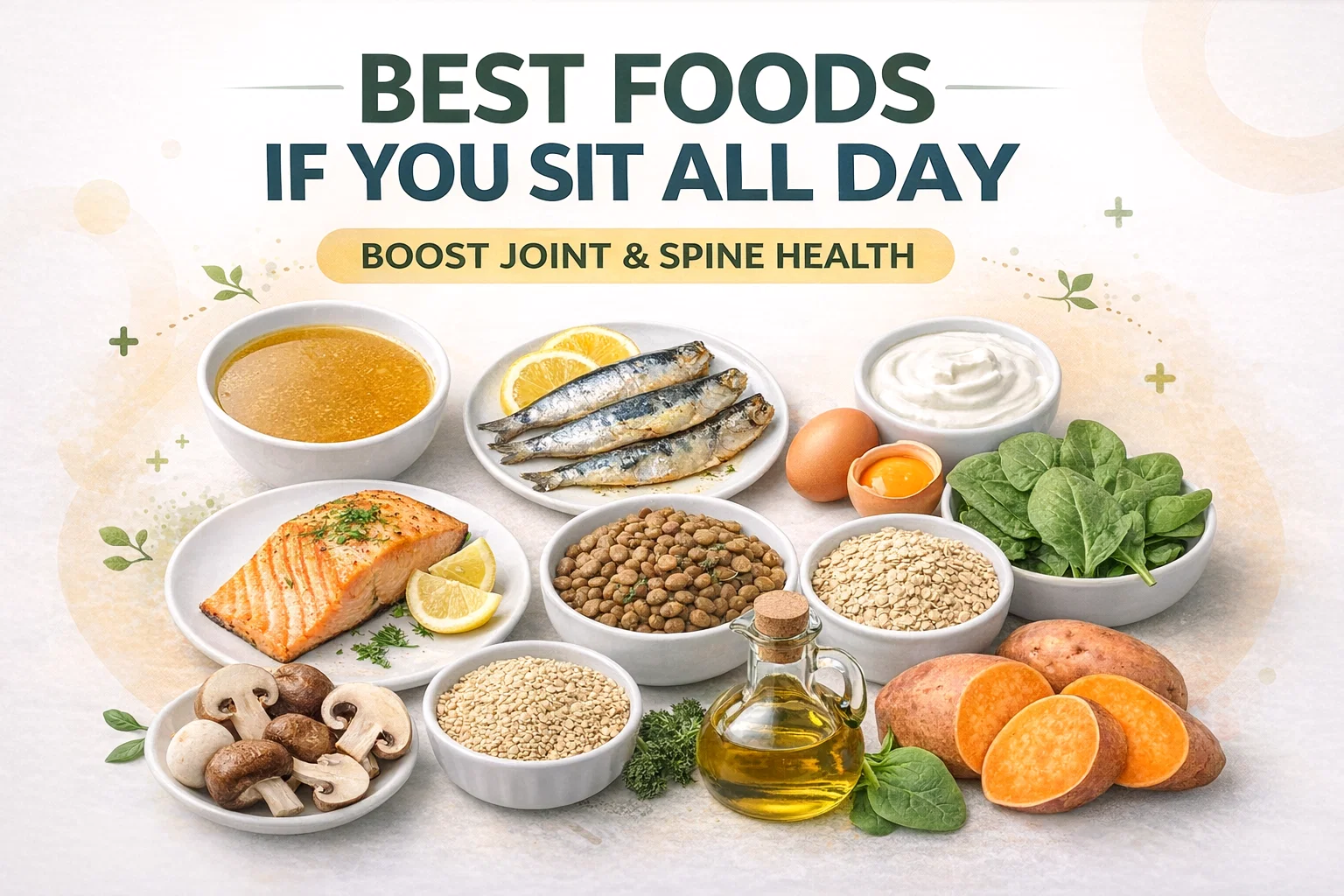
One of the most effective ways to support your joints and connective tissue is through the regular consumption of bone broth. Often referred to as liquid gold in the wellness community, bone broth is packed with collagen and essential amino acids like glycine and proline. These are the building blocks of your cartilage, which acts as a cushion between your bones.
How Bone Broth Supports Your Spine
Your spinal discs are primarily composed of water and collagen. As you sit, these discs compress. Bone broth provides the bioavailable nutrients necessary to help repair these structures. Incorporating a cup of warm bone broth into your daily routine is an easy way to ensure your spine has the “glue” it needs to stay strong and flexible.
Omega-3 Powerhouses: Sardines and Salmon
Inflammation is the primary enemy of anyone who sits for long durations. Chronic sitting can lead to low-grade systemic inflammation, which manifests as joint pain or back aches. Fatty fish like sardines and salmon are some of the best natural sources of Omega-3 fatty acids, which are famous for their ability to control inflammation.
The Benefits of Sardines
Sardines are often underrated but are nutritional powerhouses for the sedentary worker. They are rich in Calcium and Vitamin D. Because sardines are usually eaten with their tiny, soft bones, they provide an immediate boost to your own bone health. Vitamin D is crucial here because it helps your body absorb that calcium, ensuring your skeletal system remains dense and sturdy.
Salmon for Inflammation Control
Salmon is another excellent source of anti-inflammatory fats. These healthy fats help lubricate the joints and reduce the production of enzymes that break down cartilage. Regular consumption of salmon can help keep your joints moving smoothly, even if you spend most of your day in a chair.
Plant-Based Strength: Lentils and Spinach
You do not need to rely solely on animal products to support your structural health. The plant kingdom offers incredible mineral support that is vital for metabolic function and tissue repair. Lentils and spinach are two of the most accessible and effective options for anyone looking to optimize their “sitting” diet.
Lentils for Mineral Support
Lentils are an incredible source of plant-based protein and fiber, but for the desk worker, their mineral content is the real highlight. They provide a steady supply of iron, magnesium, and potassium. These minerals help maintain muscle function and prevent the cramping and fatigue that often come from sitting in one position for too long.
Spinach and the Magnesium Connection
Spinach is famous for its iron content, but its high levels of magnesium are what truly matter for those who sit all day. Magnesium is a natural muscle relaxant. It helps soothe the tension that builds up in your neck and shoulders during a long workday. Additionally, magnesium plays a key role in bone health by helping to regulate calcium levels in the body.
The Structural Role of Oats and Sweet Potatoes
Energy is not just about staying awake; it is about providing fuel for cellular repair. Complex carbohydrates like oats and sweet potatoes offer long-lasting energy and specific compounds that benefit your connective tissues.
Oats for Glycine Support
Oats are more than just a breakfast staple. They provide a unique profile of nutrients that support glycine production. Glycine is an amino acid that is critical for the health of your tendons and ligaments. By including oats in your diet, you are helping your body maintain the elasticity of the tissues that hold your skeleton together.
Sweet Potatoes as Tissue Fuel
Sweet potatoes are rich in Vitamin A and Vitamin C, both of which are essential for collagen production. They act as “tissue fuel,” providing the energy your body needs to undergo the constant process of cellular turnover. Their high fiber content also ensures that your digestion stays moving, which is important since sitting can often lead to a sluggish digestive system.
Healthy Fats and Micronutrients: Olive Oil and Mushrooms
Small additions to your meals can have a massive impact on your overall health. Olive oil and mushrooms are two ingredients that are easy to incorporate and provide specialized benefits for the modern professional.
Olive Oil for Inflammation Control
Extra virgin olive oil contains a compound called oleocanthal, which has a similar effect to anti-inflammatory medication. Drizzling olive oil over your salads or cooked vegetables is a delicious way to keep systemic inflammation at bay and protect your heart health simultaneously.
Mushrooms and Vitamin D
Mushrooms are one of the few non-animal sources of Vitamin D, especially when they have been exposed to sunlight. Since many people who sit all day are working indoors away from natural light, mushrooms can help fill the gap. Vitamin D is essential for immune function and bone integrity, making it a “must-have” for the office-bound individual.
Small Seeds, Big Impact: Sesame Seeds and Yogurt
Calcium is the foundation of a healthy frame, and you can find it in both dairy and non-dairy sources. Keeping your calcium levels high ensures that your body does not start pulling minerals from your bones to support other functions.
- Sesame Seeds: These tiny seeds are surprisingly high in calcium and zinc. They make an excellent topping for stir-fries or avocado toast, providing a crunch that supports your skeletal structure.
- Yogurt: A high-quality yogurt provides protein and calcium, along with probiotics. A healthy gut is the gateway to better nutrient absorption, ensuring that all the other “good stuff” you eat actually makes it to your tissues.
Crafting the Ultimate “Sitting Day” Meal Plan
Knowing which foods matter is the first step, but the real magic happens when you combine them. Imagine starting your day with a bowl of oats topped with yogurt and sesame seeds. For lunch, a spinach salad with grilled salmon and a drizzle of olive oil. For dinner, a comforting bowl of lentil soup made with bone broth and a side of roasted sweet potatoes and mushrooms. This kind of eating pattern isn’t just a diet; it is a defensive strategy for your body.
When you provide your joints and spine with these specific nutrients, you are actively mitigating the physical cost of your career. You will likely notice that you feel less “heavy” at the end of the day and that your morning stiffness begins to dissipate.
Final Thoughts on Fueling Your Frame
Sitting may be a requirement of your job, but chronic pain and stiffness do not have to be. By shifting your focus toward foods that support your joints, spine, and connective tissues, you are taking control of your long term physical health. Nutrition is the foundation upon which your physical resilience is built. While movement and exercise are still vital, the fuel you provide your body will determine how well it handles the stresses of a sedentary lifestyle.
Start small by incorporating one or two of these foods into your weekly grocery list. Whether it is a daily cup of bone broth or swapping your afternoon snack for a yogurt parfait, every nutrient-dense choice counts. Your spine and joints work hard to support you while you work; make sure you are returning the favor by giving them the fuel they need to thrive.