Best Foods to Cleanse Your Body Naturally Detox Foods for Liver, Kidney Holistic Health
Our bodies are incredible machines, designed with built-in filtration systems that work around the clock to keep us feeling vibrant. However, in a world filled with processed snacks and environmental stressors, those internal systems can sometimes use a little extra love. The concept of eating for your organs is not just a trend; it is a fundamental pillar of holistic wellness. When we align our diet with the specific needs of our blood, liver, kidneys, and lungs, we are essentially giving our biological filters a much-needed tune-up.
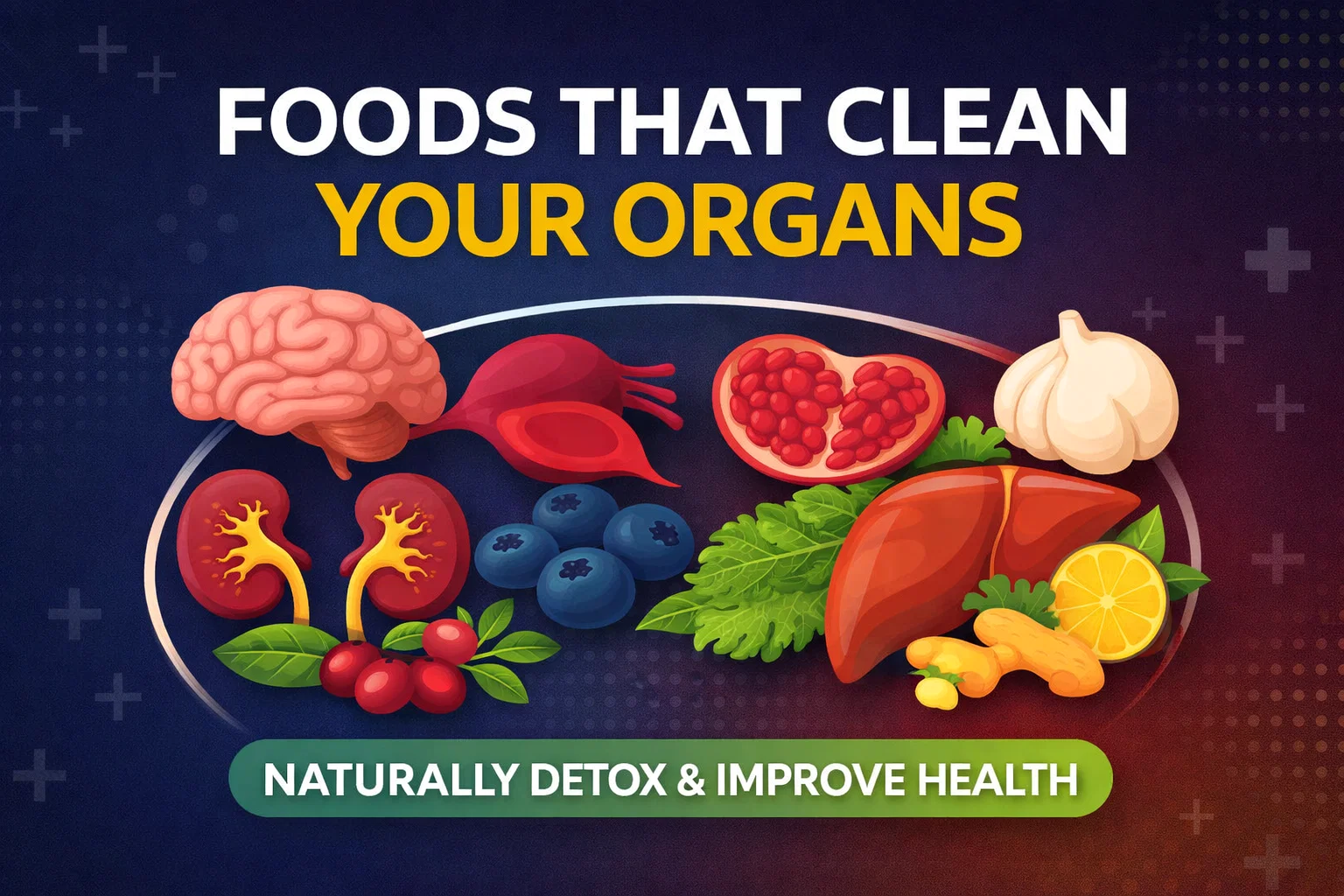
The image we are looking at today provides a beautiful, color-coded roadmap to some of the most potent “functional foods” available in nature. From the deep crimson of beets to the vibrant yellow of lemons, nature uses color to signal the specific phytonutrients that help different parts of our anatomy thrive. In this guide, we are going to dive deep into these nutritional powerhouses and explore how you can incorporate them into your daily routine for long-term health and energy.
The Life Force: Foods That Purify Your Blood
Your blood is the transport system of your entire body, carrying oxygen and nutrients to every cell while whisking away waste. Keeping it “clean” means ensuring it is rich in iron and antioxidants while being free from excessive toxins. Two of the most powerful allies for your circulatory system are beets and pomegranates.
The Power of Beets
Beets are famous in the wellness community for their ability to support “blood building.” They are rich in nitrates, which the body converts into nitric oxide. This process helps to dilate blood vessels, improving flow and lowering blood pressure. Beyond just flow, beets contain betalains, which are potent pigments that support the detoxification process in the liver, which indirectly leads to cleaner blood. Whether you juice them, roast them, or shave them raw into a salad, beets are a must-have for cardiovascular health.
Pomegranate: The Antioxidant King
Pomegranates are packed with punicalagins and anthocyanins. These antioxidants protect the lining of your blood vessels from oxidative stress and prevent the oxidation of cholesterol. By keeping your arteries clear and flexible, pomegranates ensure that your blood remains a high-speed highway for health rather than a sluggish stream. Plus, the tart-sweet pop of the seeds adds a great texture to any breakfast bowl.
Shutterstock
Seeing Clearly: Boosting Eye Health with Berries and Nuts
We often take our vision for granted until it starts to fade. The eyes are highly susceptible to oxidative damage from blue light and UV rays. To protect these delicate structures, we need specific fats and pigments found in blueberries and walnuts.
Blueberries and Anthocyanins
Blueberries are often called “brain berries,” but they are equally vital for the eyes. They contain high levels of anthocyanins, which have been shown to improve night vision and protect the retina from degeneration. These tiny berries help maintain the health of the capillaries that feed the eye muscles, ensuring your vision stays sharp as you age.
Walnuts: The Brain-Eye Connection
It is a common observation in herbalism that walnuts look like tiny brains, but they are also essential for the eyes. They are one of the best plant-based sources of omega-3 fatty acids. These healthy fats are crucial for maintaining the structural integrity of cell membranes in the eyes. Regular consumption of walnuts can help prevent dry eye syndrome and reduce the risk of age-related macular degeneration.
The Master Filters: Supporting Your Kidneys
Your kidneys are the ultimate balancing act. They regulate fluid levels, filter waste from the blood, and manage blood pressure. When they get sluggish, you might feel bloated or fatigued. Foods like cranberries and kale act as gentle diuretics and filters to keep these bean-shaped organs functioning at their peak.
Cranberries for Urinary Health
Cranberries are perhaps the most well-known food for kidney and urinary tract health. They contain proanthocyanidins, which prevent harmful bacteria from sticking to the walls of the urinary tract. By keeping the pathway clear, cranberries allow the kidneys to flush out waste more efficiently without the risk of infection or stone formation.
Kale: The Nutrient Shield
Leafy greens like kale are packed with Vitamin C and Vitamin K, both of which are essential for kidney function. Kale is also relatively low in potassium compared to some other greens, making it a kidney-friendly option for many people. Its high fiber content helps manage blood sugar, which is vital because high glucose levels are one of the leading stressors for kidney tissues.
Shutterstock
Explore
The Detox Powerhouse: Revitalizing Your Liver
The liver is the body’s primary detoxification center. It processes everything we eat, breathe, and absorb through our skin. To keep the liver from becoming overwhelmed, we need to provide it with bitter and alkalizing foods like lemons and, once again, the versatile beet.
Lemon: The Morning Ritual
Starting your day with warm lemon water is more than just a Pinterest aesthetic. Lemons are highly alkalizing once metabolized and they stimulate the production of bile. Bile is the substance the liver uses to break down fats and carry away toxins. By increasing bile flow, lemons help the liver “flush” out the day’s waste more effectively.
Cucumber: Hydration and Filtration
While often overlooked as “just water,” cucumbers are actually rich in silica and hydrating electrolytes. Since the liver requires a massive amount of water to filter blood effectively, cucumbers provide a cellular-level hydration that simple tap water sometimes cannot match. They help cool the body and reduce inflammation in the digestive tract, taking the load off the liver.
Breathing Easy: Foods for Lung Health
Our lungs are our direct connection to the atmosphere. They are constantly exposed to pollutants and pathogens. To keep the delicate lung tissues elastic and clear of mucus, we turn to aromatic and anti-inflammatory ingredients like pineapple, ginger, and garlic.
Pineapple and Bromelain
Pineapple contains a unique enzyme called bromelain. This enzyme is famous for its ability to reduce swelling and inflammation, especially in the respiratory tract. For people dealing with seasonal allergies or congestion, pineapple can help thin out mucus and make breathing feel significantly easier. It is nature’s way of clearing the pipes.
Ginger and Garlic: The Immune Duo
Ginger is a powerful bronchodilator, meaning it helps to open up the air passages. It also helps break down mucus and improve circulation to the lungs. Garlic, on the other hand, is rich in allicin, a compound that fights off respiratory infections. Together, these two act as a shield for your lungs, protecting them from environmental damage and helping you take deeper, more nourishing breaths.
Shutterstock
Explore
Anti-Inflammatory Superstars: Turmeric and Garlic
Inflammation is the root of almost every chronic health issue. When our organs are inflamed, they cannot perform their jobs correctly. This is where the heavy hitters of the spice world come into play.
Turmeric: The Golden Healer
Turmeric contains curcumin, one of the most studied anti-inflammatory compounds on the planet. Whether it is reducing inflammation in the joints, the gut, or the arteries, turmeric works on a systemic level to keep the body in balance. Pairing it with a pinch of black pepper increases its absorption by up to 2,000 percent, so always remember that simple kitchen hack.
Garlic: A Multi-Organ Miracle
Garlic appears twice in our visual guide for a reason. It supports the blood by lowering cholesterol, the lungs by fighting infection, and the liver by activating enzymes that help flush out toxins. It is a true “all-in-one” superfood that should be a staple in every kitchen. Raw garlic is the most potent, but even lightly sautéed garlic provides significant benefits.
Practical Tips for a Natural Cleanse
Knowing which foods to eat is the first step, but consistency is where the magic happens. You do not need to do a restrictive “juice cleanse” to see results. Instead, try these simple ways to incorporate organ-supporting foods into your life.
- The Morning Flush: Drink a large glass of lemon water before your coffee to wake up your liver.
- The Rainbow Bowl: Create a salad that includes kale, shredded beets, walnuts, and blueberries for a meal that hits almost every organ on the list.
- The Golden Latte: Whisk turmeric, ginger, and a little honey into warm almond milk for a soothing evening drink that fights inflammation while you sleep.
- Smart Snacking: Swap processed chips for cucumber slices or a handful of walnuts.
Embracing a Holistic Lifestyle
While diet is a massive part of the puzzle, organ health is also influenced by our habits. Staying hydrated with filtered water is non-negotiable, as every organ mentioned requires water to function. Additionally, movement and deep breathing exercises help the blood and lungs do their jobs more effectively. Think of these foods as the high-quality fuel for a car, but remember that the car still needs to be driven and maintained in other ways too.
The beauty of holistic health is that everything is connected. When you eat for your liver, your skin starts to glow. When you eat for your blood, your energy levels skyrocket. When you support your kidneys, you feel less bloated and more balanced. It is a beautiful cycle of wellness that starts with the simple choices you make at the grocery store.
Final Thoughts
Taking care of your body does not have to be complicated or expensive. Nature has provided us with an incredible pharmacy in the form of whole, colorful foods. By choosing to include more beets, berries, greens, and spices in your daily meals, you are taking proactive steps toward a longer, more vibrant life. Your organs work hard for you every single second of every day. Isn’t it time you gave them the nourishment they deserve? Start small, pick one or two of these foods to add to your plate today, and listen to how your body responds. You might be surprised at how quickly you start to feel the difference. Save these tips and keep exploring the wonderful world of natural healing.
Would you like me to create a 7-day meal plan based on these organ-cleansing foods?