Best Natural Skincare Ingredients DIY Moisturizers, Cleansers Exfoliants Guide
Stepping into the world of DIY beauty can feel like uncovering a hidden garden of possibilities. For many of us, the journey toward natural skincare begins with a simple realization that the long, unpronounceable ingredient lists on our favorite store bought products might not be the only way to achieve a healthy glow. There is something incredibly empowering about knowing exactly what goes onto your skin, and even more so when those ingredients come straight from nature. Whether you are a seasoned herbalist or a curious beginner, transitioning to a plant based routine is a beautiful way to honor your body and the environment. By choosing natural alternatives, you are not just avoiding synthetic chemicals; you are embracing the potent, time tested benefits of botanicals that have been used for centuries to nourish and heal.
The Foundations of Natural Moisture
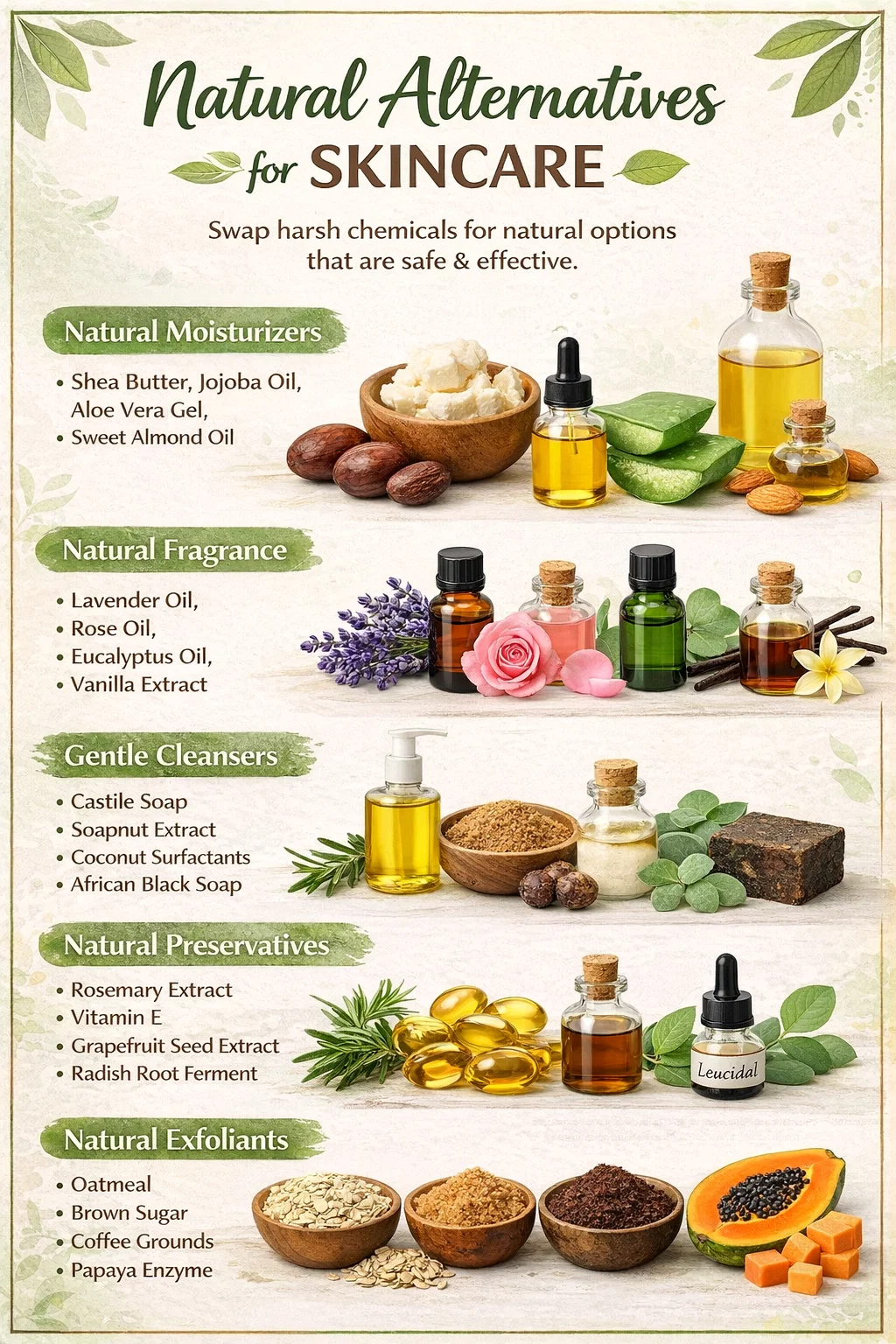
One of the most critical steps in any skincare routine is hydration. Our skin barrier acts as a shield against the world, and keeping it moisturized is the key to maintaining elasticity and preventing premature aging. Natural oils and butters are exceptional because they often mimic the skins own sebum, allowing for deep penetration without clogging pores. When we look at ingredients like Shea Butter, we are looking at a powerhouse of vitamins A and E. This thick, creamy butter is a savior for dry, cracked skin and provides a breathable barrier that locks in moisture for hours. It is especially effective during harsh winter months or for those with chronically dry patches.
Lightweight Hydration with Jojoba and Aloe
If you have oily or combination skin, you might be hesitant to apply oils to your face. This is where Jojoba Oil shines. Technically a liquid wax, Jojoba is structurally very similar to human skin oils. When applied, it can actually trick your skin into thinking it has produced enough oil, which helps balance out your natural production. It is lightweight, non greasy, and absorbs almost instantly. For a cooling sensation, Aloe Vera Gel is the gold standard. Beyond its fame for treating sunburns, Aloe is a humectant, meaning it draws moisture into the skin. It is perfect for a morning serum or as a base for a DIY facial mist to keep you refreshed throughout the day.
The Art of Natural Fragrance
Synthetic fragrances are among the most common irritants in commercial skincare, often hidden under the vague label of parfum. Transitioning to natural fragrances via essential oils not only makes your routine smell like a luxury spa but also offers aromatherapeutic benefits. Lavender Oil is perhaps the most versatile of all. Its calming scent is perfect for a nighttime routine, helping to signal to your brain that it is time to unwind, while its antibacterial properties work to keep your complexion clear. Rose Oil, though more of an investment, is incredible for aging skin. It is deeply hydrating and helps to soothe redness, leaving behind a timeless, floral aroma that feels sophisticated and clean.
Invigorating Scents for the Morning
To wake up your senses, Eucalyptus Oil and Vanilla Extract offer a delightful contrast. Eucalyptus provides a cooling, tingly sensation that can help clear the mind and the sinuses during a morning shower. It is quite potent, so a little goes a long way. On the other hand, Vanilla Extract provides a warm, comforting sweetness that pairs beautifully with carrier oils like Sweet Almond Oil. When you scent your own products, you have total control over the intensity, ensuring that your skincare never feels overwhelming or artificial.
Gentle Cleansing without the Foam
Many traditional cleansers rely on harsh sulfates to create foam, which can strip the skin of its essential oils and leave it feeling tight and uncomfortable. Natural cleansers focus on removing dirt and impurities while keeping the skin barrier intact. Castile Soap, made from vegetable oils, is a staple in the natural beauty world. It is highly concentrated and biodegradable, making it a favorite for those living a low waste lifestyle. Just a few drops diluted with water or a floral hydrosol can create a gentle yet effective wash for the face and body.
Exploring African Black Soap and Soapnuts
For those struggling with acne or oily skin, African Black Soap is a legendary alternative. Made from the ash of harvested plants like plantains and cocoa pods, it is rich in vitamins and minerals. It has a unique ability to deep clean pores and lighten dark spots over time. If you are looking for something even more unconventional, Soapnut Extract is a fascinating option. Derived from the berries of the Sapindus tree, these nuts contain natural saponins that create a mild lather. They are incredibly gentle and are often used by those with the most sensitive skin or allergies to synthetic detergents.
Preserving Your DIY Creations Naturally
One of the biggest hurdles in DIY skincare is shelf life. Because natural products lack the heavy synthetic preservatives found in commercial brands, they can be prone to spoilage if not handled correctly. However, nature provides its own set of protectors. Rosemary Extract is a fantastic antioxidant that helps prevent oils from going rancid. While it is not a broad spectrum preservative on its own, it significantly extends the life of oil based balms and serums. Vitamin E is another essential addition. Not only does it benefit the skin by fighting free radicals, but it also acts as a stabilizer for your oil blends.
The Science of Natural Fermentation
When working with water based products like lotions or mists, you need something a bit stronger. Radish Root Ferment is a popular natural preservative derived from the fermentation of radishes with the bacteria Leuconostoc kimchii. It provides antimicrobial protection and is generally very well tolerated by the skin. Grapefruit Seed Extract is also frequently used for its antibacterial and antifungal properties. When using these natural preservatives, it is always a good idea to make smaller batches more frequently and store them in dark glass bottles to protect the ingredients from light and air.
The Glow of Natural Exfoliants
Exfoliation is the secret to a bright, radiant complexion. It removes the buildup of dead skin cells that can make the skin look dull and cause breakouts. Instead of plastic microbeads which harm our oceans, natural exfoliants use textures found in our kitchens. Oatmeal is a wonderful choice for sensitive skin. When ground into a fine powder, it provides a very soft physical exfoliation while releasing anti inflammatory compounds that calm the skin. It is the perfect base for a soothing facial scrub.
Sugar, Coffee, and Enzymes
For the body, Brown Sugar and Coffee Grounds are unbeatable. The granules of brown sugar are softer than white sugar, making them ideal for a gentle body scrub that hydrates as it exfoliates. Coffee grounds, on the other hand, are invigorating and are often used in scrubs to help temporarily tighten the appearance of the skin thanks to the caffeine content. If you prefer a chemical exfoliant over a physical one, look to the fruit kingdom. Papaya Enzyme, or papain, works by dissolving the protein bonds between dead skin cells. Applying a mask with papaya extract allows you to achieve a smooth finish without any scrubbing at all, making it a great option for those with active breakouts.
Building Your Personal Routine
The beauty of natural skincare is that it is highly customizable. You can play chemist in your own bathroom, adjusting ratios and ingredients based on how your skin feels each day. If your skin feels particularly dry after a flight, you might add an extra drop of Jojoba oil to your moisturizer. If you are feeling stressed, a few extra drops of Lavender in your evening cleanser can make all the difference. Start small by replacing one product at a time. This allows your skin to adjust and helps you identify which natural ingredients work best for your unique biology.
Sustainable Beauty Habits
Transitioning to natural ingredients is often a stepping stone to a more sustainable lifestyle. By using items like African Black Soap or making your own scrubs from coffee grounds, you are reducing the amount of plastic packaging that enters your home. Many of these ingredients can be bought in bulk or come in recyclable glass containers. Furthermore, because these ingredients are biodegradable, you can feel confident that what goes down your drain is not harming the local ecosystem. It is a holistic approach to beauty that looks at the big picture, valuing the health of the planet as much as the health of your skin.
Embracing the Natural Glow
Switching to natural skincare is more than just a trend; it is a return to basics that honors the efficacy of the natural world. By understanding the roles of moisturizers, fragrances, cleansers, preservatives, and exfoliants, you can create a comprehensive routine that is both safe and incredibly effective. The transition might take a little bit of patience as your skin detoxes from synthetic chemicals, but the results are well worth the wait. You will likely find that your skin becomes more balanced, more resilient, and possesses a natural glow that no highlighter can replicate.
As you continue your journey, remember to listen to your skin and enjoy the process of discovery. There is a certain magic in the scent of fresh roses or the rich texture of shea butter that turns a mundane routine into a daily ritual of self care. By choosing natural alternatives, you are making a conscious decision to nourish yourself with the best that the earth has to offer. So, clear off your vanity, gather your favorite botanicals, and get ready to experience skincare in its purest, most beautiful form. Your skin will certainly thank you for it.