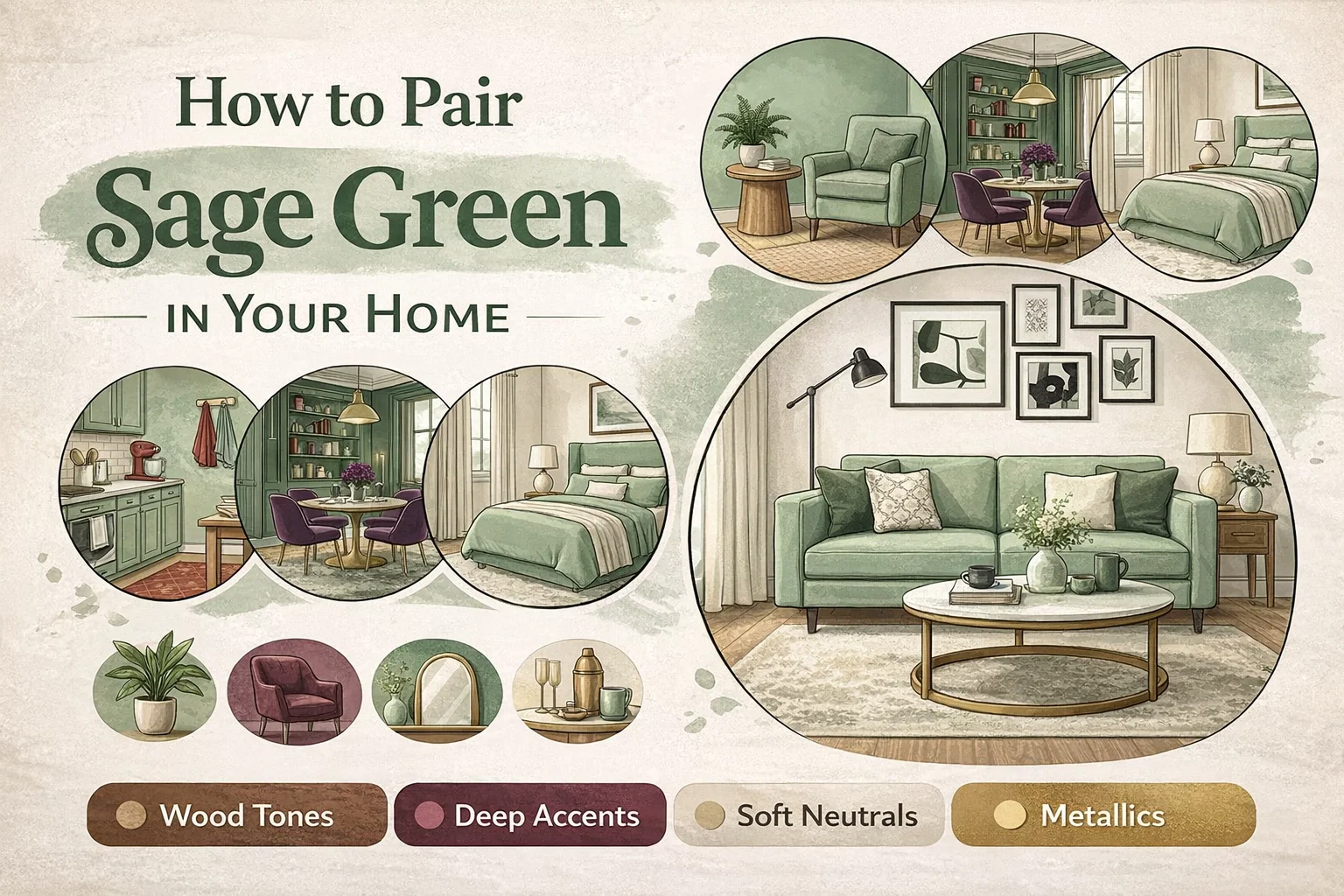
Best Sage Green Color Palettes How to Style Sage Green Decor in Your Home
Sage green has officially claimed its title as the new neutral in modern interior design. It is a soft, muted shade that manages to feel both sophisticated and incredibly calming, making it a favorite for homeowners looking to create a sanctuary. The beauty of this earthy tone lies in its versatility. Whether you are aiming for a minimalist sanctuary, a bold and moody study, or a vibrant and eclectic living room, sage green provides the perfect foundation to build upon. By understanding how to balance this organic hue with different textures, accent colors, and lighting, you can transform any room into a professionally styled space.
The Timeless Appeal of Natural and Neutral Pairings
For those who crave a sense of peace and organic beauty, pairing sage green with natural elements is the ultimate design choice. This combination leans into the biophilic design trend, which focuses on bringing the outdoors in. When you combine sage green with wood tones, you create an immediate connection to nature. Light woods like oak or birch keep the room feeling airy and modern, while darker walnuts or mahogany add a sense of history and groundedness. The key is to let the grain of the wood shine through, as the texture of the timber complements the softness of the green walls or furniture.
Mastering the Monochrome and Cream Aesthetic
If you prefer a clean and contemporary look, sage with monochrome accents is a game changer. Using black and white elements against a sage backdrop adds a crispness that prevents the green from feeling too “muddy.” Black lamp stands, picture frames, or hardware create a striking silhouette, while white or cream textiles soften the overall impact. Speaking of cream, sage green with cream is perhaps the most classic pairing available. Unlike pure white, which can sometimes feel stark, cream has a warmth that mirrors the yellow undertones often found in sage. This is a perfect palette for bedrooms and nurseries where relaxation is the primary goal. Layering different shades of cream through wool throws, linen curtains, and plush rugs will give the room a high-end, curated feel.
Embracing the Bold and Moody Side of Sage
While many people see sage as a “safe” or “quiet” color, it can actually serve as a stunning anchor for dramatic and moody interiors. When paired with deep, saturated colors, sage green acts as a neutralizing force that allows the bolder shades to pop without overwhelming the senses. This approach is particularly effective in smaller rooms like home offices, libraries, or formal dining rooms where you want to create a sense of intimacy and luxury.
Dramatic Contrasts with Purple and Burgundy
One of the most unexpected yet sophisticated pairings is sage with deep purple or plum. Because green and purple are near opposites on the color wheel, they create a natural harmony. A sage green dining room with velvet purple chairs feels regal and inviting. If purple feels too daring, consider sage with burgundy. This combination is deeply rooted in traditional design but can be modernized with sleek furniture lines. The warmth of the red-toned burgundy balances the coolness of the sage, creating a space that feels cozy during the winter months and fresh during the spring. This is an excellent choice for a study or a cozy reading nook where you want to feel enveloped by color.
The Sophistication of Sage and Dark Blue
For a cool-toned, serene environment, look no further than the combination of sage green and dark blue. Often seen in bathrooms or kitchens, this pairing evokes the colors of the sea and forest. A sage green tiled shower paired with a navy blue vanity creates a spa-like atmosphere that is both refreshing and timeless. To keep this look from feeling too cold, it is important to incorporate plenty of light through mirrors and well-placed fixtures. The dark blue provides a heavy anchor, while the sage green keeps the upper half of the room feeling light and spacious.
Injecting Energy with Warm and Vibrant Accents
Sage green is an excellent mediator for high-energy colors. If you love bright reds, pinks, or oranges but worry about them being too “loud” for a whole room, using sage as your primary wall color is the solution. The grayish undertones of sage help to absorb some of the intensity of vibrant hues, making them feel more integrated into the overall design rather than just standing out as a distraction.
The Playfulness of Red and Pink
In a kitchen or breakfast nook, sage with red accents can create a charming, vintage-inspired look. Think of a sage green cabinet with a bright red stand mixer or checkered tea towels. This creates a farmhouse aesthetic that feels lived-in and cheerful. If you want something more modern and feminine, sage with pink is an absolute favorite in current interior trends. From dusty rose to vibrant fuchsia, pink adds a softness and a “glow” to sage green spaces. This works beautifully in living rooms, where a sage green sectional can be adorned with pink velvet pillows and abstract art featuring rose tones. It is a palette that feels youthful, fresh, and incredibly stylish.
Elevating the Space with Gold and Mixed Metallics
No sage green room is truly complete without the right hardware. Sage with gold accents is the gold standard for luxury. The yellow in the gold highlights the warmth of the green, making the space feel sunny and expensive. This is particularly effective for light fixtures, mirror frames, and cabinet pulls. However, do not feel limited to just one metal. Sage with mixed metallic accents, such as combining matte black with brushed copper or silver with brass, adds layers of interest to the room. A bar cart styled with silver shakers and gold-rimmed glasses against a sage wall creates a focal point that is both functional and decorative.
Practical Tips for Implementing Sage Green
When you are ready to bring sage green into your home, start by considering the natural light in your space. Sage green is a “chameleon” color, meaning it can look vastly different depending on the time of day. In a room with north-facing light, sage may appear cooler and more gray. In south-facing rooms with plenty of sun, the green and yellow tones will be much more prominent. Always test a large swatch on your wall before committing to a full gallon of paint.
Texture and Layering
Because sage is a muted color, it can sometimes look flat if you do not introduce enough texture. Aim to mix materials such as jute rugs, velvet cushions, silk curtains, and ceramic vases. Incorporating actual greenery, like ferns or eucalyptus, is also a fantastic way to reinforce the color palette. The varying shades of green in living plants will add depth and life to the room, making the sage walls feel like a natural extension of the environment.
Furniture Selection
If you are not ready to paint your walls, sage green furniture is a wonderful alternative. A sage green velvet sofa or a set of painted kitchen chairs can serve as a beautiful focal point. Since sage is so easy to pair, these pieces can transition with you even if you decide to change your accent colors later on. It is a low-risk way to introduce color into a neutral home without feeling like you are over-committing to a specific theme.
Bringing Balance to Your Home
The true magic of sage green is its ability to bring balance to a home. In a world that often feels fast-paced and overwhelming, coming home to a space that feels grounded in nature is essential for our well-being. By choosing the right pairings, whether they are the quiet neutrals of wood and cream or the energetic pops of pink and gold, you can tailor the mood of your home to perfectly suit your personality. Sage green is not just a trend; it is a versatile tool that helps bridge the gap between classic elegance and modern comfort.
As you begin your decorating journey, remember that there are no strict rules. Use the palettes discussed here as a starting point, but do not be afraid to experiment. Perhaps you find that a touch of burnt orange or a splash of teal is exactly what your sage green room needs. The most important thing is that the space feels like you. By layering colors, textures, and personal items, you will create a home that is not only beautiful to look at but also a joy to live in.
Conclusion: Your Sage Green Sanctuary
Designing a home with sage green is an invitation to experiment with the harmony of nature and the creativity of interior styling. From the kitchen to the bedroom, this color offers a unique flexibility that few other shades can match. It provides a sophisticated backdrop for bold experiments while remaining a steadfast choice for those who prefer the quiet beauty of a neutral palette. By integrating natural textures, thoughtful metallic accents, and complementary color schemes, you can craft an environment that is both visually stunning and emotionally restorative. Take these ideas, apply them to your unique space, and enjoy the process of watching your home transform into a stylish, sage-infused sanctuary. Whether you start small with a few accents or go big with a full room makeover, the results are sure to be timeless.