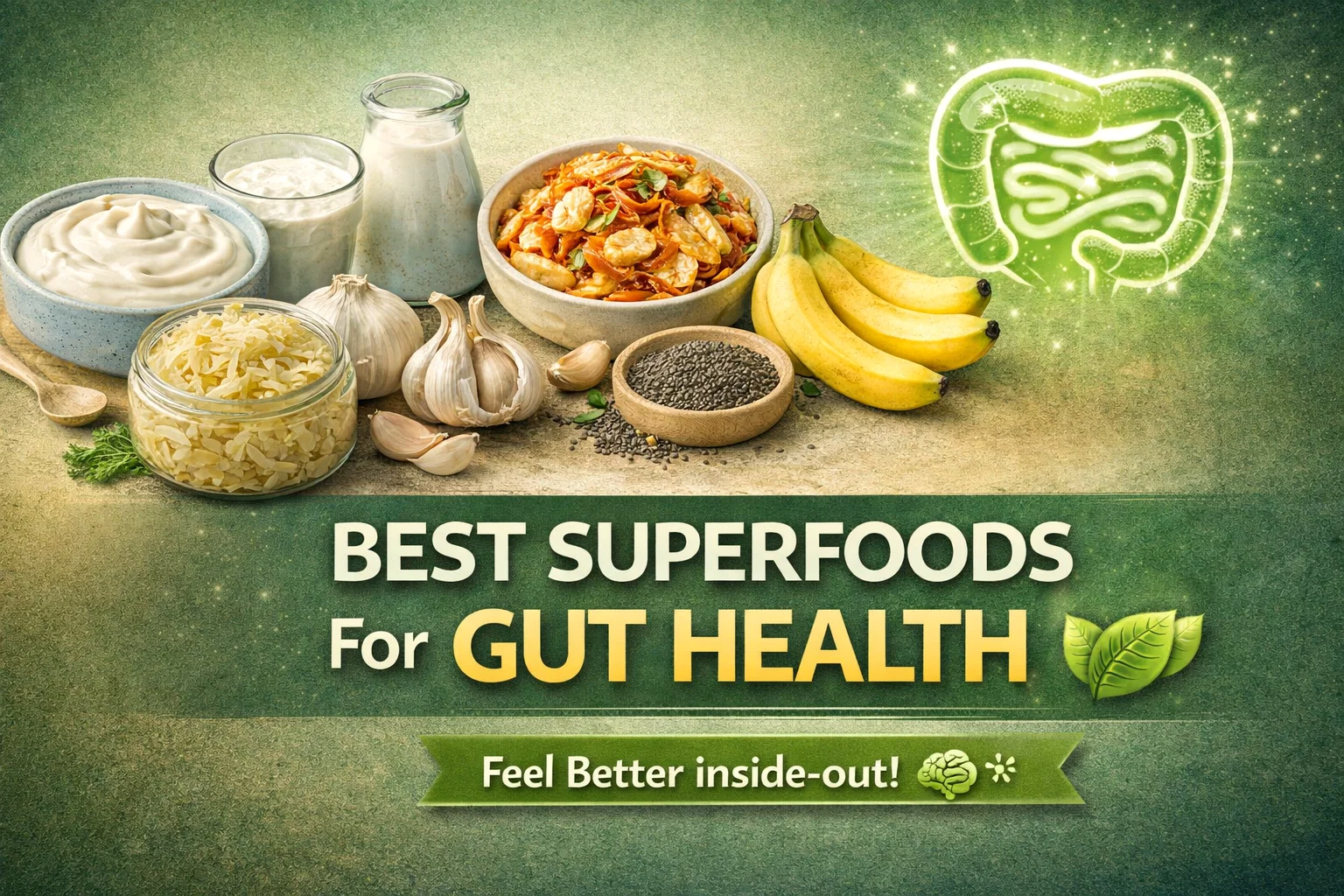
Best Superfoods for Gut Health Improve Digestion Bloating Naturally with Probiotics
Have you ever felt like your energy levels are dragging or your digestion is constantly off kilter? You are certainly not alone. Many of us navigate our daily lives with a nagging sense of bloating or sluggishness, often reaching for a quick fix that only masks the underlying issue. The truth is that true vitality starts deep within your digestive tract. Your gut is often referred to as your second brain, and for good reason. It influences everything from your immune system response to your daily mood. By turning to nature and incorporating specific superfoods into your routine, you can begin to heal from the inside out and reclaim your natural glow.
The Incredible Connection Between Your Gut and Your Total Health
Before we dive into the specific foods that can transform your health, it is essential to understand why the gut matters so much. Your microbiome is a vast ecosystem of trillions of bacteria, fungi, and other microbes living in your intestines. When this ecosystem is balanced, your body can efficiently absorb nutrients, fight off pathogens, and even produce essential vitamins. However, a diet high in processed sugars and low in fiber can throw this balance out of whack, leading to inflammation and various health hurdles.
Focusing on gut health is not just about avoiding stomach aches. It is a holistic approach to wellness. When you nourish your gut, you are essentially fueling your entire body’s defense system. Research continues to show that a healthy gut can improve skin clarity, sharpen mental focus, and help stabilize your weight. The image of the glowing digestive system in our guide today perfectly illustrates how a happy gut radiates health throughout the rest of your body.
Shutterstock
Probiotic Powerhouses: Yogurt and Kefir
When most people think of gut health, probiotics are the first thing that comes to mind. These are the live, beneficial bacteria that help replenish your microbiome. Two of the most accessible and effective sources are yogurt and kefir.
The Daily Bowl of Yogurt
Yogurt has been a staple in traditional diets for centuries. To get the most benefit for your gut, you should look for labels that specifically mention live and active cultures. Consuming approximately one cup of high quality yogurt daily can introduce a steady stream of probiotics like Lactobacillus and Bifidobacterium into your system. These friendly bacteria work tirelessly to crowd out harmful microbes and assist in the breakdown of lactose, making it easier on your stomach. Opt for plain versions to avoid the inflammatory effects of added refined sugars.
Kefir: The Potent Liquid Gold
If you enjoy yogurt, you will love kefir. This fermented milk drink is even more potent than yogurt because it typically contains a wider variety of probiotic strains and beneficial yeasts. Think of it as a drinkable supplement that tastes like a slightly tart smoothie. Because it is fermented for longer, it is often easier for people with minor dairy sensitivities to digest. One cup of kefir daily is a fantastic way to ensure your internal environment stays diverse and resilient.
Fermented Veggies: Kimchi and Sauerkraut
If dairy isn’t your preference, or if you simply want to diversify your intake, fermented vegetables are an absolute must. These foods undergo a natural fermentation process that preserves them while creating a wealth of enzymes and probiotics.
Kimchi for a Spicy Kick
Kimchi is a traditional Korean staple made from fermented cabbage, radishes, and a blend of spices like ginger and garlic. Just two tablespoons a day can provide a concentrated dose of probiotics along with vitamins A and C. The fermentation process increases the bioavailability of these nutrients, meaning your body can absorb them more effectively. The spicy profile of kimchi also helps stimulate the production of gastric juices, which aids in the overall digestive process.
Sauerkraut: The Classic Gut Healer
Similar to kimchi, sauerkraut is fermented cabbage, but it usually follows a simpler brine process. It is rich in organic acids that support the growth of good bacteria. When buying sauerkraut, always look in the refrigerated section for raw, unpasteurized versions. The canned or shelf stable varieties have often been heat treated, which kills the very beneficial bacteria you are looking for. Adding a small scoop to your lunch or dinner plate is an easy habit that pays massive dividends for your gut flora.
Natural Digestion Aids: Garlic and Ginger
Beyond adding new bacteria, we also need to support the mechanics of digestion and soothe the intestinal lining. This is where aromatic roots and bulbs like garlic and ginger shine.
The Prebiotic Benefits of Garlic
Garlic is famous for its immune boosting properties, but it is also a powerful prebiotic. Prebiotics are non digestible fibers that act as food for the probiotics already living in your gut. By eating one clove of garlic daily, you are essentially feeding your good bacteria so they can thrive and multiply. Garlic also has natural antimicrobial properties that can help keep unwanted bacteria in check without harming your beneficial flora.
Soothing the System with Ginger
Ginger is perhaps the world’s most famous natural remedy for nausea and indigestion. It works by speeding up the movement of food through the stomach, which prevents the stagnation that often leads to bloating and discomfort. Just half a teaspoon of fresh or powdered ginger daily can make a noticeable difference. You can easily grate it into hot water for a morning tea or add it to your favorite stir fry for an instant digestive boost.
Fiber and Prebiotics: Chia Seeds, Oats, and Bananas
To maintain a long term healthy gut, you need to provide structure and fuel. Fiber is the unsung hero of the digestive world, acting like a broom that sweeps through your system while providing a feast for your microbes.
Chia Seeds for Regularity
Chia seeds are tiny powerhouses of omega 3 fatty acids and soluble fiber. When they hit water, they form a gel like substance that helps keep things moving smoothly through your digestive tract. One tablespoon a day is often enough to help restore gut flora and ensure regularity. They are incredibly versatile; you can sprinkle them on top of your yogurt or soak them overnight to make a delicious pudding.
Oats: Fuel for Good Bacteria
Oats are a fantastic source of beta glucan, a type of fiber that has been shown to reduce cholesterol and feed healthy gut bacteria. Consuming half a cup of oats daily provides the slow burning energy your body needs while acting as a reliable fuel source for your microbiome. This helps create a stable environment where your beneficial bacteria can outcompete the bad guys.
The Simple Power of Bananas
Bananas are often the first fruit we think of for energy, but they are also a great source of prebiotics. They contain pectin and resistant starch, especially when they are slightly green. These fibers pass through the small intestine and reach the large intestine where they fermented by your gut bacteria. Eating one banana daily is a convenient and delicious way to support your internal ecosystem.
Practical Tips for Integrating Superfoods Into Your Life
Knowing which foods to eat is the first step, but the real magic happens when you make them a consistent part of your lifestyle. You do not have to overhaul your entire kitchen overnight. In fact, your gut prefers gradual changes. Start by picking one or two items from the list and incorporating them into your breakfast or lunch.
- The Gut Health Morning Bowl: Start with a base of yogurt or kefir, add half a cup of oats, a tablespoon of chia seeds, and top it with a sliced banana. You have just checked off four superfoods before 9:00 AM!
- Savory Sides: Use kimchi or sauerkraut as a condiment for your eggs or as a topping for a grain bowl.
- Cooking with Intention: Make it a habit to mince a fresh clove of garlic into your dinner recipes and sip on ginger tea after your largest meal of the day.
Wrapping Up Your Journey to Better Health
Healing your gut is a journey of consistency and mindfulness. By choosing foods like yogurt, kefir, fermented vegetables, garlic, ginger, and high fiber seeds and grains, you are giving your body the tools it needs to function at its peak. Remember that your digestive system is incredibly resilient and responds quickly to positive changes. When you nourish your gut, you aren’t just improving your digestion; you are investing in your mental clarity, your immune strength, and your overall quality of life. Start small, stay consistent, and enjoy the feeling of being better from the inside out.
Would you like me to create a specific meal plan based on these gut health superfoods or perhaps generate some Pinterest descriptions to help you share these tips with others?