Best Time to Eat Guide Healthy Food Habits Nutrition Tips for Weight Loss and Energy
Have you ever noticed that eating a healthy apple in the morning makes you feel like a superhero, but snacking on one late at night leaves you feeling slightly bloated? Or perhaps you have wondered why that afternoon coffee hits differently than your first cup of the day. The truth is that nutrition is not just about what you eat, but also when you eat it. The concept of food timing, often linked to our internal circadian rhythms, can be the missing piece in your wellness puzzle. By aligning your meals with your body’s natural clock, you can optimize digestion, boost energy levels, and even improve your sleep quality.
The Science of Food Timing and Your Biological Clock
Our bodies operate on a 24 hour cycle known as the circadian rhythm. This internal clock regulates everything from our sleep patterns to hormone production and, most importantly, our metabolism. Research suggests that our digestive organs, such as the liver and pancreas, have their own internal clocks. When we eat at the “wrong” time, we essentially create a state of metabolic jet lag. This misalignment can lead to weight gain, poor blood sugar control, and digestive discomfort.
For example, our bodies are naturally more insulin sensitive in the morning. This means we process carbohydrates more efficiently during the early hours. As the sun goes down, our metabolism slows down to prepare for rest. Understanding these peaks and valleys allows us to choose the right fuel for the right time, ensuring that the nutrients we consume are used for energy rather than stored as fat.
Morning Essentials: Apples, Nuts, and What to Avoid
The morning is your body’s prime time for nutrient absorption, but that does not mean every healthy food belongs on your breakfast plate. Starting your day with an Apple is an excellent choice. Apples are rich in pectin, a type of fiber that promotes healthy bowel function and prevents constipation. Eating them in the morning helps stimulate your digestive system after a long night of rest.
The Nut Dilemma: Morning vs. Night
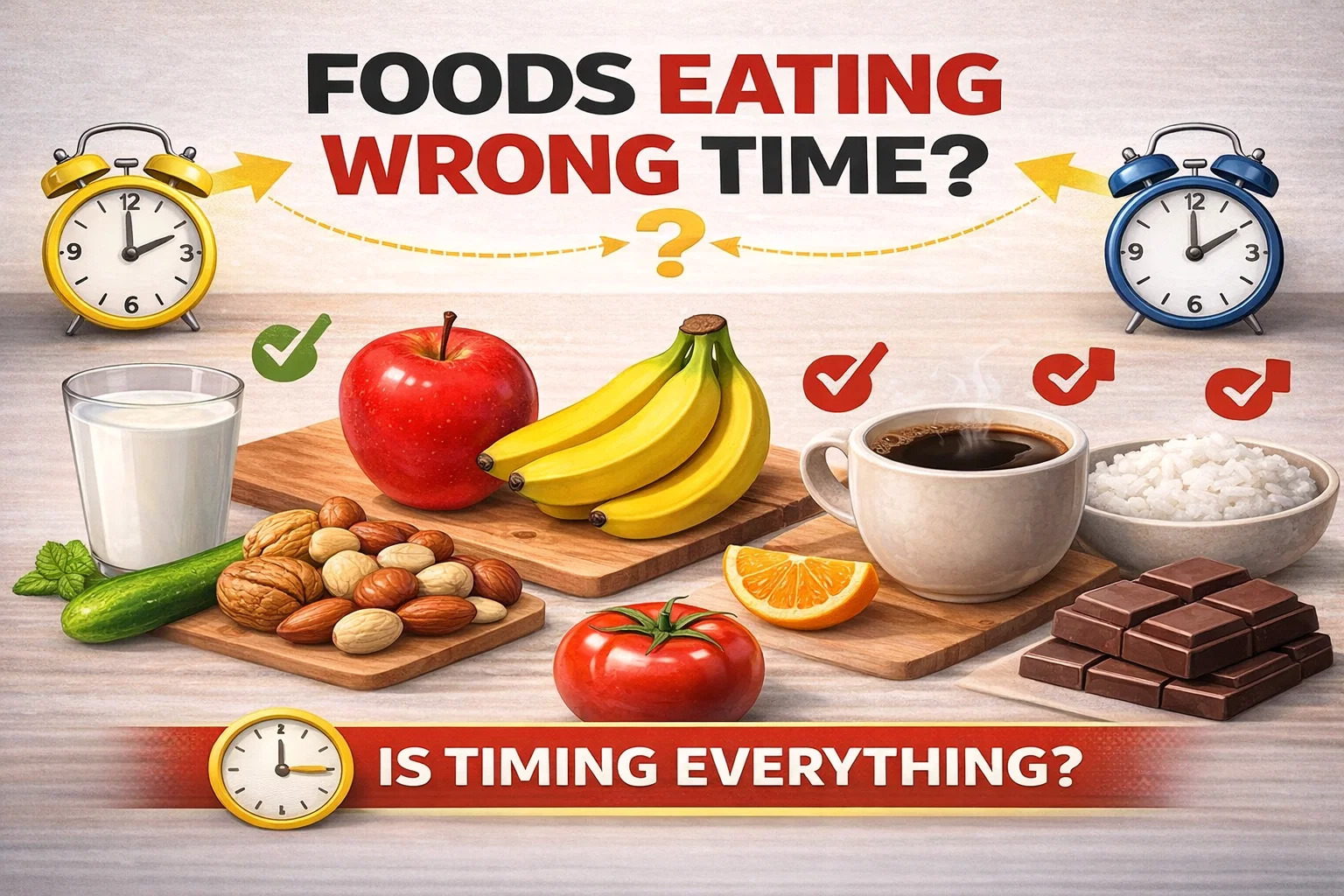
Nuts are nutritional powerhouses, but they are also calorie dense. Consuming nuts like almonds or walnuts in the morning or during the day provides a steady stream of healthy fats and protein to keep you satiated. However, the image suggests that they are also beneficial at night. This is often because certain nuts contain magnesium and tryptophan, which can help relax muscles and promote better sleep. The key is moderation; a small handful is plenty to reap the benefits without overloading your digestive system before bed.
Why Yogurt Might Not Be a Breakfast Star
Many people reach for yogurt first thing in the morning, but there is a catch. If you eat yogurt on a completely empty stomach, the high acidity of your stomach can kill the beneficial lactic acid bacteria (probiotics) before they reach your gut. It is often better to consume yogurt as a mid morning snack or after you have had a small bite of something else to ensure those healthy cultures actually do their job.
The Midday Strategy: Coffee and Dark Chocolate
By the time midday rolls around, your energy might start to dip. This is where strategic snacking comes into play. Most people reach for Coffee immediately upon waking, but science suggests waiting. When you first wake up, your cortisol levels are at their peak. Adding caffeine to high cortisol can lead to jitters and a faster “crash.” Waiting until after a morning walk or once you have been awake for an hour or two allows the caffeine to work with your body’s natural rhythm rather than against it.
Indulging with Dark Chocolate
If you have a sweet tooth, the afternoon is the perfect time for a square of Dark Chocolate. Dark chocolate contains flavonoids that boost heart health and antioxidants that fight oxidative stress. Consuming it in the afternoon provides a gentle mood boost and a small amount of caffeine to get you through the rest of the work day without keeping you awake at night. It is the ultimate functional treat when timed correctly.
Shutterstock
Evening Choices: The Milk and Rice Debate
As evening approaches, the goal shifts from fueling for activity to preparing for recovery. This is why Rice is often discouraged for dinner in many wellness circles. Rice is a high glycemic carbohydrate, meaning it can cause a spike in blood sugar. Since you are likely less active in the evening, that extra glucose is more likely to be stored as fat. If you do enjoy rice at dinner, try to keep the portion small and pair it with plenty of fiber and protein.
The Ritual of Nighttime Milk
The tradition of a warm glass of Milk before bed is backed by some logic. Milk contains tryptophan, an amino acid that helps the body produce serotonin and melatonin, the hormones responsible for sleep. Because milk is slower to digest, it provides a slow release of nutrients throughout the night, preventing hunger pangs from waking you up. For many, it acts as a psychological signal that the day is over and it is time to rest.
Foods to Handle with Care: Citrus and Bananas
Some foods are incredibly healthy but can cause issues if eaten on an empty stomach. Citrus fruits like oranges and grapefruits are packed with Vitamin C, but their high acid content can irritate the lining of an empty stomach, leading to heartburn or gastritis. It is always better to enjoy your orange juice or citrus slices after a meal.
The Banana Myth
While Bananas are famous for their potassium and magnesium, eating them on an empty stomach might not be the best move. They contain high amounts of natural sugars which can give you a quick spike and a subsequent crash. Furthermore, the high magnesium content can potentially interfere with the calcium magnesium balance in the blood if consumed alone first thing in the morning. Pair your banana with a piece of whole grain toast or some nut butter to buffer the absorption.
Why Tomatoes are Not for Late Night
Tomatoes are rich in tyramine, an amino acid that increases brain activity and can delay sleep. They are also quite acidic, which can cause acid reflux when you lie down shortly after eating. To avoid a restless night or an upset stomach, try to finish your tomato based dishes at least three hours before you head to bed.
Creating a Sustainable Eating Schedule
While these rules provide a great framework, it is important to remember that everyone’s body is unique. The goal of food timing is to make you feel better, not to create stress. Start by making one or two changes. Perhaps you move your fruit intake to the morning and save your warm milk for the evening. Pay attention to how your body responds to these shifts.
- Listen to Hunger Cues: If you are genuinely hungry, eat. Forcing yourself to wait for a “perfect” time can lead to overeating later.
- Stay Hydrated: Water is the one thing that is perfect at any time of day. Keep a bottle nearby to support digestion.
- Consistency is Key: Try to eat your meals at roughly the same time every day to help “train” your internal clock.
Conclusion: Mastering the Art of the Food Clock
Understanding the “when” of nutrition is just as vital as the “what.” By aligning your intake of apples, coffee, nuts, and dairy with your body’s natural physiological needs, you are not just eating; you are optimizing. This approach helps reduce digestive stress, stabilizes your energy levels, and supports a healthier metabolism over the long term. Remember that your body is a finely tuned machine that loves routine. Give it the right fuel at the right time, and it will reward you with vitality and health. Why not start tomorrow morning with an apple and see how much better you feel?
Would you like me to create a sample meal plan based on these food timing principles for you?