Best Time to Take Supplements Guide Multivitamins, Magnesium, Vitamin D More Checklist
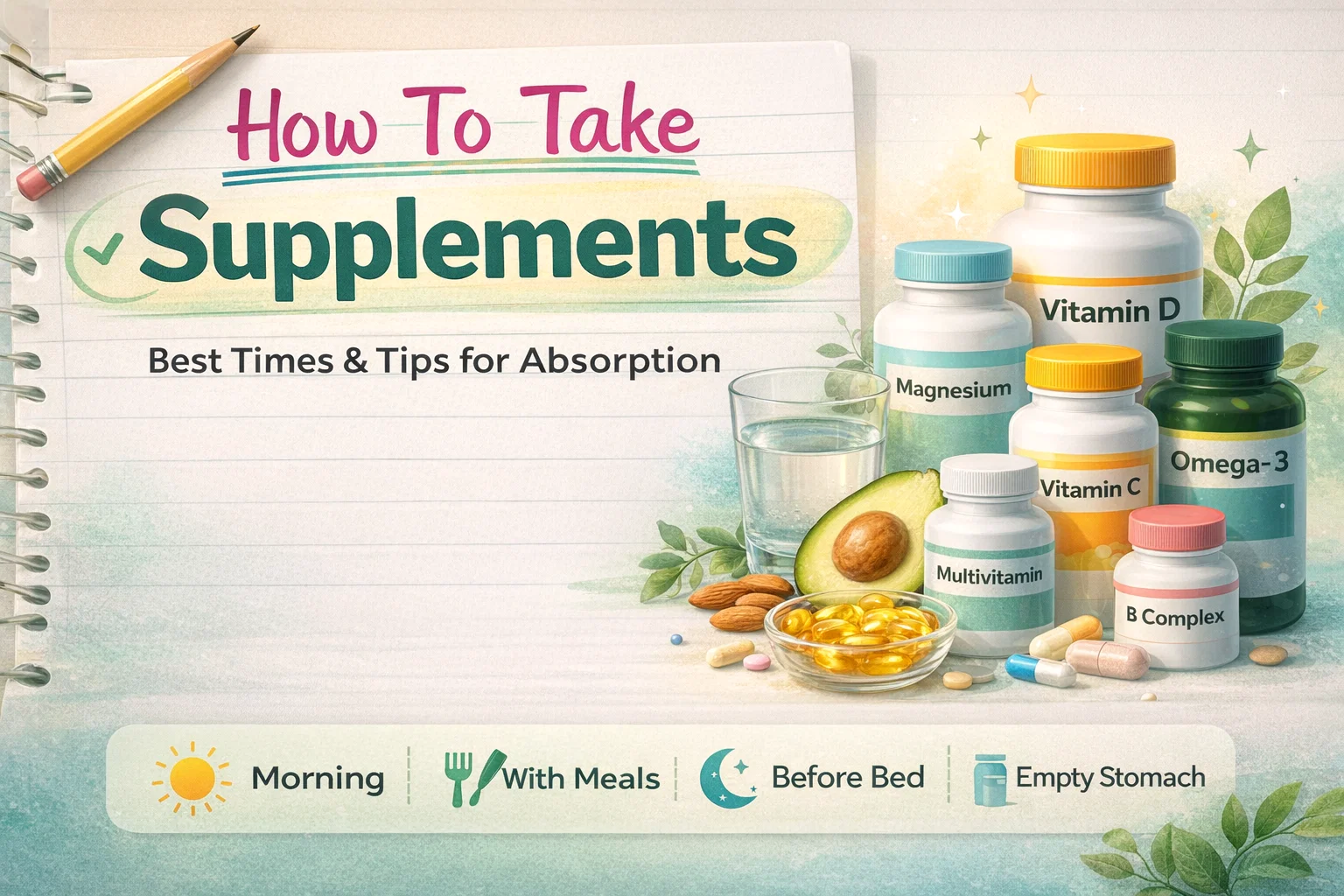
Have you ever stared at your kitchen counter, clutching a handful of capsules and wondering if you should take them now or wait until after lunch? You are certainly not alone. Most of us invest in high-quality supplements with the best intentions, yet we often overlook the most critical factor: timing. It is not just about what you take, but when and how you take it that determines whether those nutrients actually reach your cells or simply pass through your system. When you align your supplement intake with your body’s natural rhythm and digestive processes, you unlock the true potential of your wellness routine.
The handwritten guide we are diving into today is a goldmine of foundational nutritional wisdom. From the calming effects of Magnesium before bed to the energy-boosting properties of a morning B-Complex, every nutrient has a “sweet spot.” In this comprehensive guide, we will break down the science of supplement timing so you can stop guessing and start feeling the difference. Let’s transform that cluttered cabinet into a streamlined, high-efficiency protocol for your health.
The Foundations: Multivitamins and Daily Essentials
Most people start their journey with a daily multivitamin. Because these contain a wide spectrum of both water-soluble and fat-soluble vitamins, they can be a bit tricky for a sensitive stomach. Taking a multivitamin on an empty stomach often leads to that dreaded wave of nausea. The best practice is to pair it with a meal or a substantial snack. This provides a buffer for your stomach lining and ensures that the fat-soluble components, like Vitamins A and E, have some dietary fat available to assist with absorption.
Vitamin D and the Importance of Healthy Fats
Vitamin D is a fat-soluble powerhouse often referred to as a hormone rather than a simple vitamin. Since it requires fat to be absorbed by the intestinal tract, taking it with your “fattiest” meal of the day is a game changer. Think of a meal that includes avocado, nuts, olive oil, or eggs. If you take your Vitamin D with just a glass of water or a piece of dry toast, you are likely missing out on a significant portion of its benefits. Consistency here is key, especially during the winter months when natural sunlight is scarce.
Omega-3 Fatty Acids: No More Fishy Burps
Omega-3 fish oils are incredible for brain health and reducing inflammation, but they come with one notorious side effect: the “fishy burp.” The solution is simple. Always take your Omega-3s with a meal. This helps the oil mix with other food, slowing down the digestion process and preventing the oil from sitting at the top of your stomach. Not only does this improve the experience, but it also mimics how we would naturally consume these fats in a whole-food diet.
Minerals and the Science of Competition
Minerals are where supplement timing gets technical. Unlike vitamins, minerals often compete for the same transport carriers in your body. If you take too many at once, they might block each other out. This is why a strategic schedule is vital for mineral supplementation.
Magnesium for Deep, Calm Sleep
Magnesium is involved in over 300 biochemical reactions in the body, but it is most famous for its ability to relax muscles and the nervous system. To capitalize on this, the best time to take Magnesium is about one hour before you plan to sleep. It helps lower cortisol levels and prepares your brain for a restful night. If you find yourself tossing and turning or dealing with nighttime leg cramps, moving your Magnesium dose to the evening could be the simple fix you need.
The Calcium and Magnesium Balance
Interestingly, Calcium and Magnesium can compete for absorption if taken in high doses together. Our guide suggests taking Calcium in divided doses, once in the morning and once in the evening. This ensures your body can effectively process the mineral without overloading its transport systems. If you are taking high doses of both, try to space them out by at least two hours to get the most out of each supplement.
Zinc versus Iron: The Two-Hour Rule
Zinc and Iron are two of the most common mineral deficiencies, yet they are famous rivals. When taken at the same time, Zinc can significantly inhibit the absorption of Iron. To avoid this conflict, follow the two-hour rule: take your Zinc at least two hours away from your Iron supplement. This allows your body to focus on absorbing one at a time, ensuring your energy levels and immune system stay supported.
Boosting Energy and Iron Absorption
If you find yourself reaching for a third cup of coffee by noon, your supplement timing might be to blame. Certain vitamins are designed to kickstart your metabolism and should be prioritized in the early hours of the day.
B-Complex: Your Morning Spark
Vitamin B-Complex is essential for converting food into cellular energy. Taking these in the morning provides a natural lift to your energy levels and cognitive function. Because B-vitamins are water-soluble, your body uses what it needs and flushes out the rest. Taking them late at night can actually interfere with sleep for some people because of the metabolic “spark” they provide. Stick to the AM for your B-vitamins to stay sharp all day.
Iron: The Empty Stomach Essential
Iron is notoriously difficult for the body to absorb. For maximum efficacy, Iron should be taken on an empty stomach with water. However, there is a secret weapon: Vitamin C. Taking your Iron with a glass of orange juice or a Vitamin C supplement creates an acidic environment that significantly boosts Iron uptake. Avoid taking Iron with tea, coffee, or calcium-rich foods like dairy, as these contain compounds that bind to Iron and prevent it from being absorbed.
Advanced Support: CoQ10, Collagen, and Beyond
As we look toward more specific health goals, like heart health or skin elasticity, the timing rules become even more specific. These supplements often work best when they coincide with certain biological windows.
CoQ10 and Your Midday Slump
Coenzyme Q10 (CoQ10) is vital for heart health and mitochondrial energy production. Many people find that taking CoQ10 with lunch provides a steady stream of support to get through the afternoon. Since CoQ10 is also fat-soluble, having it with your midday meal ensures it is properly utilized by your cells.
Collagen: The Nighttime Beauty Ritual
While you can take Collagen at any time, many experts suggest taking it before bed. Your body does the bulk of its repair work, including skin cell turnover and tissue repair, while you sleep. Providing a fresh supply of amino acids from Collagen right before this repair cycle begins can help support your hair, skin, and nails more effectively.
Digestive Health: Probiotics and Fiber
A healthy gut is the foundation of all health. If your digestion is off, you won’t absorb the nutrients from your food or your other supplements. Managing your “internal garden” requires specific timing to ensure these sensitive products survive the journey through your stomach.
Probiotics: Beating the Stomach Acid
Probiotics are live bacteria, and stomach acid is their primary enemy. To ensure as many “good bugs” as possible reach your intestines, it is usually best to take them on an empty stomach, either first thing in the morning or right before bed. When your stomach is empty, the acid levels are lower, and the probiotics can pass through more quickly into the gut where they belong.
Fiber Supplements and Hydration
Fiber is essential for regularity, but it requires plenty of water to work correctly. Taking fiber supplements before a meal can help you feel fuller and stabilize blood sugar levels. However, if you don’t drink enough water with your fiber, it can actually cause constipation. Always follow your fiber supplement with a full glass of water to keep things moving smoothly.
Optimizing Performance: Ashwagandha and Electrolytes
For those focused on mental clarity and physical performance, adaptogens and minerals play a huge role. These supplements are all about responding to the stressors your body faces throughout the day.
Ashwagandha for Mental Calm
Ashwagandha is an adaptogen that helps the body manage stress. While it can be taken during the day, taking it at night before bed is a favorite for many. It helps to lower the “stress hormone” cortisol, which naturally should be lower in the evening to allow for sleep. If you find your mind racing at night, Ashwagandha could be your best friend.
Electrolytes: Timing for Recovery
Electrolytes like Sodium, Potassium, and Magnesium are lost through sweat. Taking them during or immediately after a workout helps restore your body’s fluid balance and prevents muscle cramps. This isn’t just for marathon runners; even a moderate gym session or a hot day can deplete your stores, making post-workout replenishment vital for recovery.
Conclusion: Crafting Your Personalized Schedule
Creating a supplement schedule might seem like a lot of work initially, but it quickly becomes a seamless part of your daily rhythm. By simply moving your Magnesium to the evening or your B-Complex to the morning, you are making a conscious choice to respect your body’s biology. Remember that consistency is the most important “ingredient” in any wellness plan. It is better to take your vitamins at the “wrong” time than not to take them at all, but using these timing strategies will ensure you get every penny’s worth of nutrition.
Always remember to consult with a healthcare professional before starting any new supplement regimen, especially if you are taking prescription medications. Every body is unique, and what works for one person might need slight adjustments for another. Start by picking one or two changes to your routine this week and see how you feel. Your body will thank you for the extra care and precision!
Would you like me to create a downloadable daily checklist or a sample meal plan that incorporates these supplement timings for you?