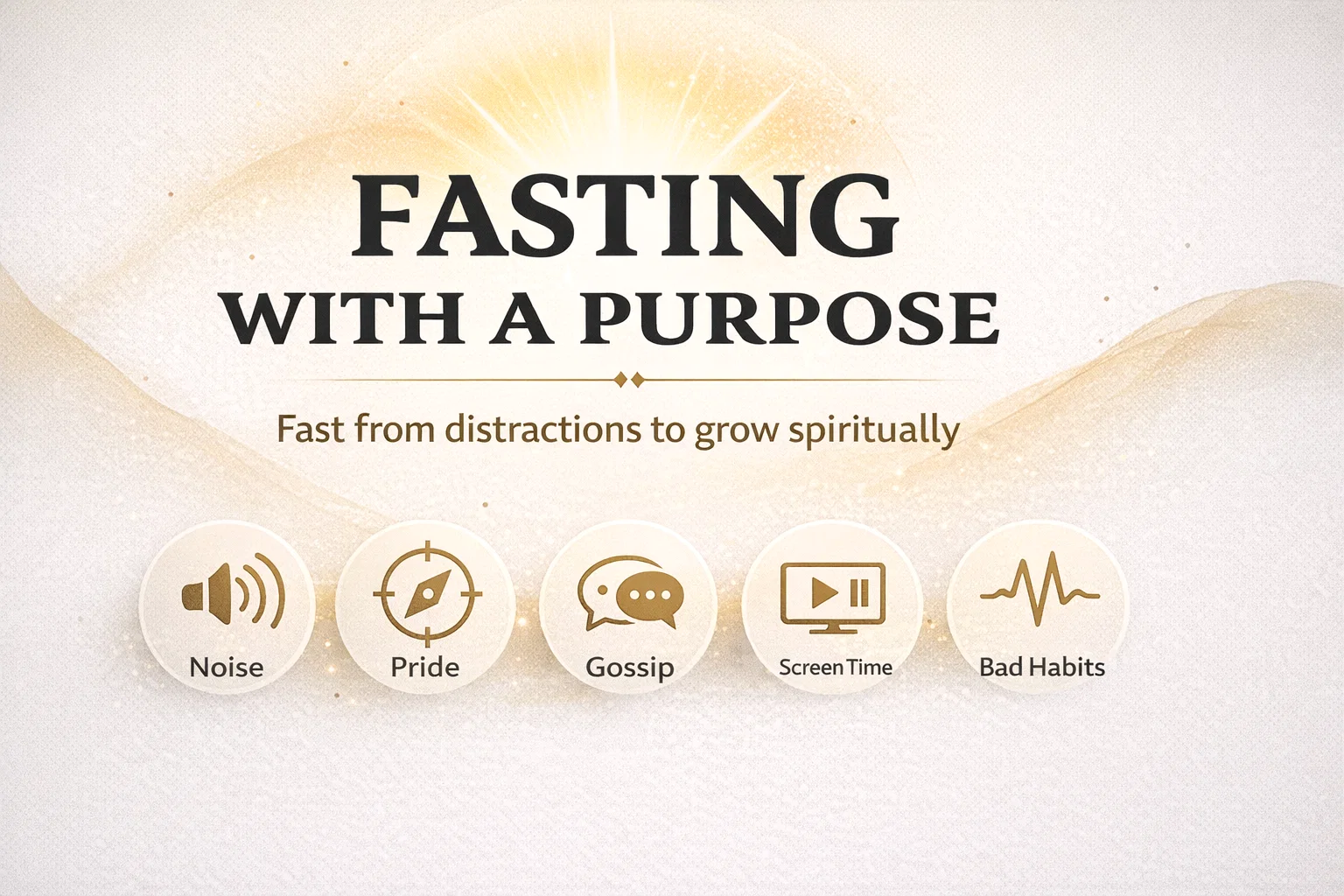
Biblical Fasting Guide Spiritual Growth Mental Detox Tips
Embarking on a journey of fasting is one of the most transformative spiritual disciplines a person can undertake. It is a practice that spans centuries, cultures, and denominations, yet its core remains a powerful tool for personal alignment and spiritual breakthrough. While many people associate fasting strictly with abstaining from food, the true essence of a fast lies in the intention behind it. When you choose to step away from the noise of the world, you create a sacred space for clarity, healing, and divine connection. This guide explores how to fast with a specific purpose, using biblical foundations to navigate the modern challenges of constant stimulation and digital exhaustion.
Understanding the Heart of Fasting
Fasting is not about earning points with the Divine or proving your willpower. Instead, it is about emptying yourself to be filled with something greater. In our modern world, we are often consumed by physical comforts, digital entertainment, and the opinions of others. These things, while not inherently evil, can become a thick layer of static that prevents us from hearing our own inner voice or the guidance of the Spirit. By setting aside specific comforts, we sharpen our spiritual senses and refocus our energy on growth and restoration.
The beauty of a purposeful fast is that it addresses the whole person: body, mind, and spirit. It is a holistic reset that allows you to evaluate your habits and realign your daily life with your deepest values. Whether you are looking for a new direction in your career, seeking peace in a time of grief, or simply wanting to deepen your prayer life, fasting provides the discipline needed to reach those goals.
Seeking Divine Direction: The Ezra 8:21 Model
There are seasons in life where we feel like we are standing at a crossroads. Decisions regarding relationships, career shifts, or family matters can feel overwhelming. In Ezra 8:21, we see a beautiful example of a community fasting to seek a “right way” for themselves and their children. This type of fast is specifically designed for those who need clarity and wisdom.
Fasting from Noise and Opinions
To truly find direction, you must first quiet the external voices that drown out your intuition. In this modern age, “noise” isn’t just sound; it is the constant influx of social media updates, news cycles, and the well-meaning but often distracting opinions of friends and family. A fast for direction might involve:
- Digital Silence: Turning off notifications and spending the first hour of your day in silence rather than checking your phone.
- Opinion Fasting: Intentionally refraining from asking for advice for a set period, forcing you to rely on prayer and personal reflection.
- Solitude: Spending time in nature or a quiet room to allow your thoughts to settle and become clear.
Cultivating Humility and Breaking Pride
Psalm 35:13 speaks of humbling the soul through fasting. Pride is often the silent barrier to our personal growth and healthy relationships. It manifests as a need to be right, a desire for recognition, or a tendency to react defensively when challenged. Fasting for humility is a way to “bow” the heart and acknowledge that we do not have all the answers.
Refraining from Boasting and Reactive Speech
A fast centered on humility often targets our communication. We live in a “look at me” culture where boasting is encouraged and instant reactions are the norm. By fasting from reactive speech, you learn the power of the pause. You learn to listen more than you speak and to value the quiet confidence of a humble spirit over the loud demands of the ego.
During this fast, consider stepping away from “constant stimulation.” This refers to the habit of always needing a podcast in your ears, a video playing in the background, or a screen in front of your eyes. In the absence of constant stimulation, you are forced to confront your inner self, which is the first step toward genuine humility.
Returning to Your Center with Wholeheartedness
Joel 2:12 issues a powerful call: “Turn to me with all your heart.” Life has a way of pulling us in a thousand different directions, often leading to a fragmented soul. We give pieces of ourselves to our work, our social obligations, and our various distractions, leaving very little for our spiritual core. Fasting for a “wholehearted return” is about reclaiming those scattered pieces.
Breaking Addictive Loops and Sensual Distractions
Modern life is designed to keep us in “addictive loops.” Whether it is the dopamine hit of a “like” on Instagram or the mindless consumption of comfort foods, these habits can dull our spiritual hunger. A wholehearted fast targets these areas. It asks us to look at what we are using to “numb out” and to replace those habits with meaningful connection. By fasting from gossip and sensual distractions, we purify our hearts and make room for a more authentic relationship with the Divine.
Deepening Your Prayer Life through Discipline
Daniel 9:3 describes a moment where the prophet turned his face toward the Lord to seek him by prayer and supplications, with fasting. If your prayer life feels dry or routine, fasting can act as the spark that reignites the flame. It adds a level of intensity and focus to your conversations with God that words alone sometimes lack.
The Fast from Scrolling and Binge Habits
One of the biggest thieves of a deep prayer life is the “scroll.” We often say we don’t have time to pray, yet we spend hours mindlessly scrolling through short-form videos or binge-watching television shows. A Daniel-inspired fast focuses on reclaiming your time. By fasting from binge habits and shallow talk, you free up hours of your week that can be dedicated to deep meditation, journaling, and focused prayer. This discipline transforms prayer from a chore into a lifeline.
Honoring Grief and Processing Loss
The scriptures, such as in 2 Samuel, often show fasting as a natural response to grief and loss. When the heart is heavy, food often loses its appeal, but an intentional fast during times of mourning can provide a structure for healing. It is a way of saying that the pain you feel is significant and that you are dedicating time to honor what was lost.
Fasting during grief is not about “getting over it” faster. It is about creating a sacred window where you allow yourself to feel the depth of your emotions without the usual distractions of the world. It provides a quiet space where comfort can finally reach you.
Activating Spiritual Authority and Strength
Matthew 17:21 suggests that certain breakthroughs only come through prayer and fasting. This is about activating a level of spiritual authority and inner strength that goes beyond the ordinary. If you feel stuck in a cycle of defeat or if you are facing a challenge that seems insurmountable, this type of fast is designed to build your spiritual “muscles.”
Breaking Free from Modern Strongholds
In this context, fasting is an act of war against the things that hold you back. It might mean fasting from negative self-talk, from the fear of the future, or from a lifestyle of complacency. When you combine the physical discipline of fasting with the spiritual focus of prayer, you tap into a source of power that can move mountains in your personal life. It builds a sense of resilience that carries over into every other area of your existence.
Practical Tips for a Successful Fast
If you are new to the idea of fasting with a purpose, it is important to start with a clear plan. Success in fasting is rarely about intensity and more about consistency and heart posture. Here are a few ways to ensure your fast is meaningful:
- Define Your “Why”: Before you start, write down exactly what you are fasting for. Use the scriptures mentioned above as a guide. Are you seeking direction? Humility? Authority?
- Choose Your “From”: Decide what you are giving up. It could be certain foods, but in our digital age, fasting from social media, television, or shopping can be even more impactful.
- Schedule Your Prayer Time: Don’t just remove a habit; replace it. If you usually spend thirty minutes scrolling in the morning, use that exact time for prayer or reading.
- Be Gracious with Yourself: If you slip up, don’t give up. The goal is progress and heart alignment, not perfection. Just pick back up and keep going.
Conclusion: The Lasting Impact of a Purposed Fast
Fasting with a purpose is a journey toward a more intentional and vibrant life. It is a powerful reminder that we are not just physical beings, but spiritual ones as well. By choosing to set aside the “noise” and “scrolling” of the modern world, we open our hearts to receive the divine direction, humility, and strength that we so desperately need. Whether you are fasting to honor a loss or to activate a new level of spiritual authority, remember that the discipline itself is the reward. It refines your character, clarifies your vision, and brings you closer to the heart of what truly matters. Start small, stay focused, and watch as your season of fasting transforms your life from the inside out.