Biblical Guide to Offerings in Numbers 28 Daily, Sabbath, and Monthly Sacrifices KJV
Understanding the intricate details of ancient biblical worship can often feel like piecing together a complex puzzle. In the Book of Numbers, specifically chapter 28, we are given a divine blueprint for how the community of Israel was to maintain its connection with the Creator. This wasn’t just a list of chores; it was a rhythmic, daily lifestyle designed to keep holiness at the center of their existence. By looking at the structured offerings commanded by God, we gain a profound appreciation for the discipline, sacrifice, and devotion that defined the spiritual heritage of the faithful.
The Foundation of Constant Devotion: Daily Offerings
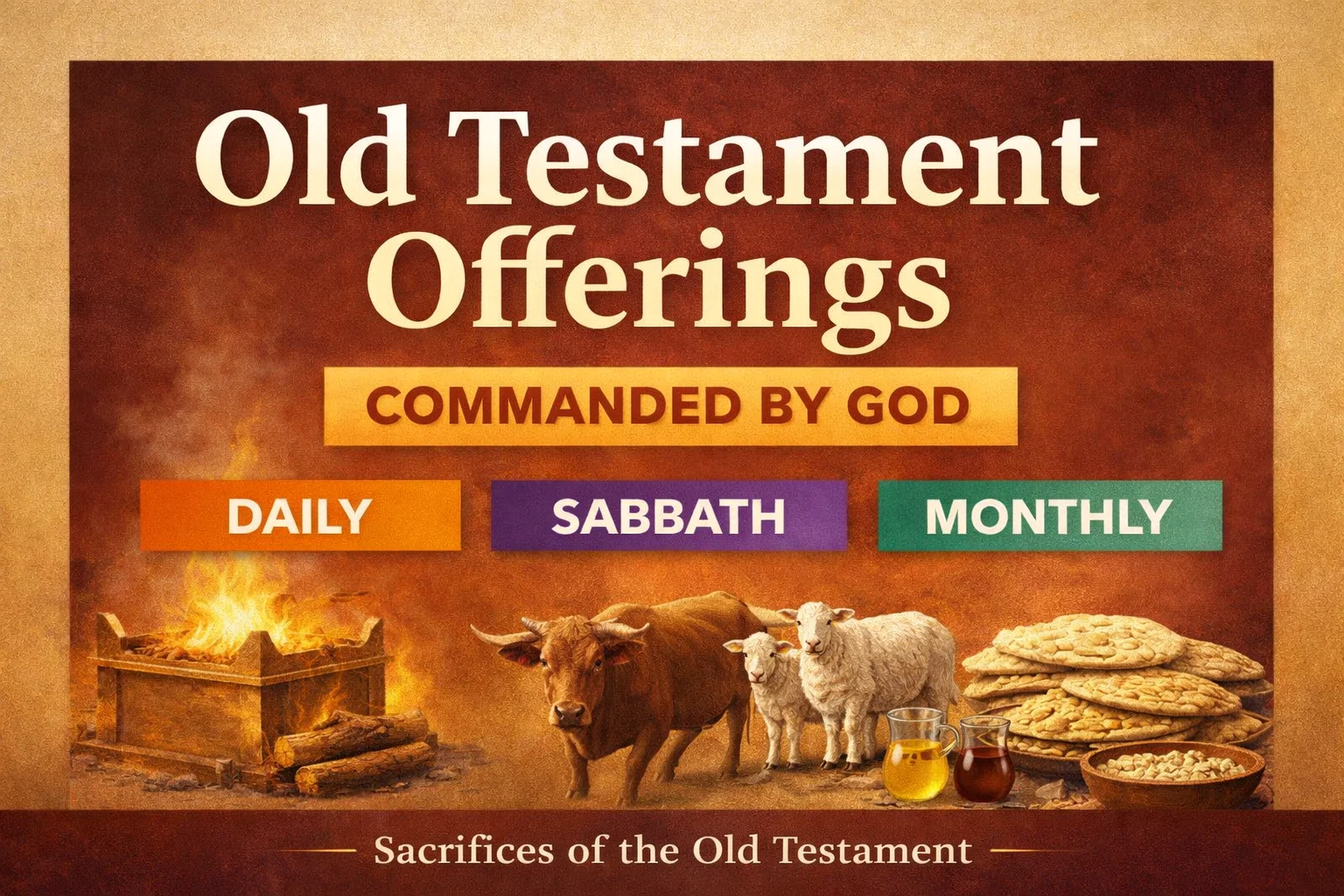
The spiritual life of the ancient Israelites began and ended with the Daily Offering. As outlined in Numbers 28:3-8, this was known as the continual burnt offering. It consisted of two lambs without blemish, one offered in the morning and one in the evening. This repetition served as a powerful reminder that God’s presence is a constant in our lives, requiring our attention at the start and the close of every day.
The Elements of the Daily Sacrifice
Each lamb was accompanied by a meal offering and a drink offering. The meal offering consisted of one-tenth of an ephah of fine flour mingled with one-fourth of a hin of beaten oil. The drink offering was a quarter hin of wine, poured out in the holy place. These elements represented the fruits of the people’s labor, their sustenance, and their joy, all being surrendered back to the One who provided them in the first place.
For modern readers, this practice highlights the importance of consistency. Just as the smoke rose from the altar every single day, our own spiritual practices, whether through prayer or meditation on scripture, benefit from a dedicated routine. It is in the “daily-ness” of our devotion that we build a lasting foundation for our faith.
Stepping into Sacred Rest: The Sabbath Offerings
While the daily offerings provided a steady heartbeat of worship, the Sabbath brought an extra layer of consecration. On the seventh day, the requirements were essentially doubled. In addition to the regular daily burnt offering, two more lambs were sacrificed, along with increased portions of flour and wine. This signaled that the Sabbath was not merely a day to stop working, but a day to increase one’s focus on the divine.
The Significance of the Sabbath Flour and Wine
The Sabbath meal offering involved two-tenths of an ephah of flour. The increase in quantity symbolizes abundance and the blessing of rest. In a world that often values constant productivity, the Sabbath offerings remind us that resting in God is an active form of worship. It is a deliberate choice to set aside more for the Lord because He has provided more than enough for us during the preceding six days.
Marking the Passage of Time: Monthly Offerings
As the moon changed its phases, so did the sacrificial requirements. The “Beginnings of Your Months,” or the New Moon offerings, were significant events in the Hebrew calendar. These offerings were much more extensive than the daily or weekly ones, involving two young bullocks, one ram, and seven lambs without blemish.
Atonement and the Sin Offering
A unique aspect of the monthly offering mentioned in Numbers 28:15 is the inclusion of one kid of the goats for a sin offering. This highlights a crucial theological point: as time passes, we inevitably fall short. The monthly sin offering was a built-in mechanism for national repentance and a fresh start. It taught the people that no matter what had happened in the previous month, there was always a path back to ritual purity and right standing with God.
- Two Bullocks: Representing strength and significant value.
- One Ram: A symbol of leadership and dedication.
- Seven Lambs: Representing perfection and completeness in the eyes of God.
- The Sin Offering: Acknowledging the need for grace and forgiveness.
The Feast of Unleavened Bread and Passover
One of the most visually and spiritually striking seasons described in Numbers 28:16-25 is the Feast of Unleavened Bread, which follows the Passover. This was a seven-day period of intense sacrifice and celebration. During these seven days, the Israelites were commanded to offer the same extensive list of animals as they did for the New Moon offerings, every single day for a week.
Living Without Leaven
The requirement to eat unleavened bread and offer these sacrifices for seven days was a memorial of the Exodus from Egypt. It was a time of “holy convocation,” where no servile work was to be done. This period emphasized purity, as leaven was often used as a metaphor for sin or worldly influence. By offering bullocks, rams, and lambs daily, the people were physically and spiritually immersing themselves in the story of their redemption.
The Role of the Meal and Drink Offerings
Throughout these feasts, the meal offerings of flour mixed with oil and the drink offerings of wine remained essential. These additions turned a sacrifice of meat into a symbolic “sweet savor” or a complete meal. It suggests that God desires not just a part of our lives, but the fullness of our tables and the best of our produce.
Why These Detailed Laws Matter Today
It is easy to look at these ancient lists of animals, ephahs, and hins and feel disconnected. However, these verses in Numbers 28 provide a profound look into the character of God. He is a God of order, a God who values excellence, and a God who desires to be involved in every cycle of our lives, from the rising of the sun to the changing of the seasons.
The Concept of the “Sweet Savor”
The phrase “a sweet savor unto the Lord” appears frequently in this text. It implies that when we approach God with the specific heart and the specific gifts He asks for, it is pleasing to Him. While we no longer sacrifice animals on stone altars, the principle of “offering” remains. Our “sacrifices” today might be our time, our talents, or our resources, given freely and consistently to serve others and honor the Divine.
Integrating Biblical Principles into Modern Life
How do we take the lessons from Numbers 28 and apply them in a world without tabernacles? The answer lies in the rhythms. If the Israelites had a morning and evening sacrifice, perhaps we can find a morning and evening moment of gratitude. If they had a monthly sin offering for a fresh start, perhaps we can implement a monthly time of reflection and goal-setting for our spiritual health.
Understanding these historical commands helps us read the New Testament with more clarity. When we see Jesus described as the “Lamb of God,” we realize He is the fulfillment of every morning lamb, every Sabbath lamb, and every Passover lamb mentioned in these ancient scrolls. He is the ultimate “continual burnt offering” that provides us with a permanent connection to God.
Conclusion: A Call to Consistent Worship
The map of offerings found in Numbers 28 is more than a historical record; it is an invitation to a life of disciplined devotion. It teaches us that worship is not an occasional event but a lifestyle. Whether it was the simple morning lamb or the grand celebration of the Feast of Unleavened Bread, every act of obedience was a step closer to the heart of God. As we reflect on these ancient rituals, let us be inspired to bring our own “best” to the table of our faith, seeking to make our lives a sweet savor in everything we do. By honoring the cycles of our lives with prayer and gratitude, we carry forward the spirit of the tabernacle into the modern world. Save these insights for your next study session and continue exploring the deep riches of the Word.