Black Garlic Benefits and How to Use It for Heart, Gut, and Immune Health
If you have spent any time browsing gourmet food blogs or health-conscious cooking channels lately, you might have noticed a mysterious, jet-black ingredient popping up in dishes ranging from avocado toast to complex sauces. That ingredient is black garlic. While it might look intimidating or even slightly unappealing to the uninitiated, it is actually one of the most versatile and beneficial ingredients you can add to your kitchen arsenal.
Black garlic is not a specific variety of garlic. Instead, it is the result of a fascinating process of controlled aging. By subjecting regular fresh garlic bulbs to specific temperatures and humidity levels over several weeks or months, the cloves undergo a transformation. The result is a soft, chewy clove with a deep, dark color and a flavor profile that is surprisingly sweet, tangy, and reminiscent of balsamic vinegar or molasses. Beyond the taste, the nutritional profile is impressive, making it a favorite among health enthusiasts.
What Exactly Is Black Garlic?
The transformation of black garlic occurs through the Maillard reaction. This is the same chemical reaction responsible for the browning of seared steaks, the golden crust on a loaf of bread, and the rich flavor of roasted coffee beans. During the long, slow heat exposure, the naturally occurring sugars and amino acids in the garlic react, creating new flavor compounds and turning the clove into a dark, jelly-like texture.
Unlike raw garlic, which can be sharp, spicy, and often leaves a pungent lingering odor, black garlic is mellow and sophisticated. It loses the aggressive bite of the allicin found in raw garlic, which is precisely why it is often cited as being much easier to digest for people who usually struggle with raw garlic sensitivity.
The Nutritional Breakdown
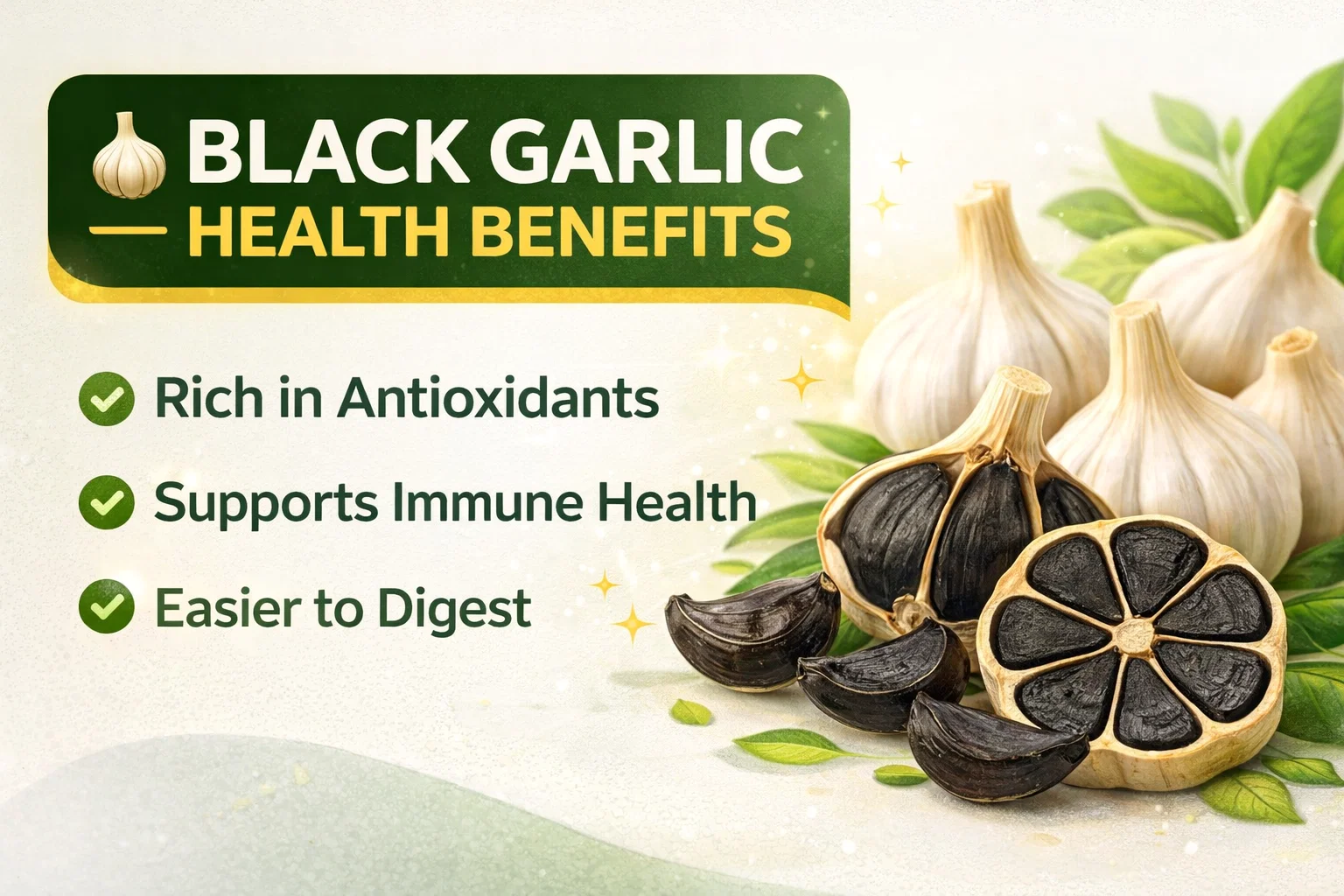
Because of the extended aging process, the chemical composition of the garlic changes. Research suggests that the concentration of certain antioxidants, particularly S-allyl-cysteine (SAC), increases significantly compared to raw garlic. These antioxidants are highly bioavailable, meaning your body can absorb and utilize them more efficiently to combat oxidative stress.
Shutterstock
Key Health Benefits of Adding Black Garlic to Your Diet
Integrating black garlic into your daily routine is less about taking a supplement and more about enhancing your culinary experience with functional ingredients. Here is why it has earned its reputation as a superfood.
1. A Powerful Antioxidant Boost
Oxidative stress is a major factor in aging and the development of chronic conditions. Antioxidants act as the body’s defense system. Black garlic is a powerhouse in this department, offering a higher concentration of protective compounds than its raw counterpart. Incorporating it into your diet is a delicious way to give your immune system an extra layer of support throughout the year.
2. Support for Heart and Gut Health
Maintaining a healthy cardiovascular system is a priority for many, and black garlic may help. Some studies indicate that it can assist in supporting healthy cholesterol levels and promoting blood vessel elasticity. Furthermore, because it is rich in prebiotics, it can act as fuel for the beneficial bacteria in your gut microbiome, which is essential for healthy digestion and effective nutrient absorption.
3. Gentle on the Digestive System
If you love the flavor of garlic but find that raw or even cooked garlic leaves you feeling bloated or uncomfortable, black garlic is the perfect alternative. The aging process breaks down the compounds that typically irritate the digestive tract, allowing you to enjoy the savory goodness without the gastrointestinal distress.
How to Use Black Garlic in Your Kitchen
One of the best things about black garlic is that it is essentially a “ready-to-eat” ingredient. You do not need to peel it and chop it with the same urgency as raw garlic, and it will not make your kitchen smell pungent.
Incorporate It into Spreads and Sauces
Because of its soft, paste-like consistency, black garlic is perfect for spreads. Try mashing one or two cloves into your next batch of hummus, or blending it with olive oil and balsamic vinegar for a decadent salad dressing. It also pairs beautifully with creamy goat cheese or soft butter on a piece of toasted sourdough.
Enhance Savory Dishes
Black garlic acts as an “umami bomb” in cooking. Add it to soups, stews, or braised meats toward the end of the cooking process to add depth and complexity. It also works incredibly well in vegetarian dishes, providing a meaty, savory base that can elevate simple sautéed mushrooms or roasted root vegetables.
Daily Habits
Many health enthusiasts simply consume one or two cloves of black garlic on their own as a morning ritual. Since it has a sweet, candy-like flavor, it is surprisingly easy to eat straight. Simply peeling a clove and adding it to your breakfast routine or incorporating it into your post-workout snack is an efficient way to capture those health benefits.
Conclusion
Black garlic is a remarkable example of how time and simple processes can transform a standard pantry staple into a culinary and nutritional powerhouse. Its ability to support immune function, heart health, and gut wellness—all while tasting like a gourmet treat—makes it a must-have for anyone looking to improve their diet in a simple, sustainable way.
Whether you are experimenting with new recipes or looking for an easy way to boost your daily antioxidant intake, black garlic offers something for everyone. Start by picking up a bulb at your local health food store or farmer’s market and see how this dark, sweet, and savory treasure can transform your meals. Your body and your taste buds will certainly thank you.