Brain Health Habits Active Mindful Lifestyle Inspiration
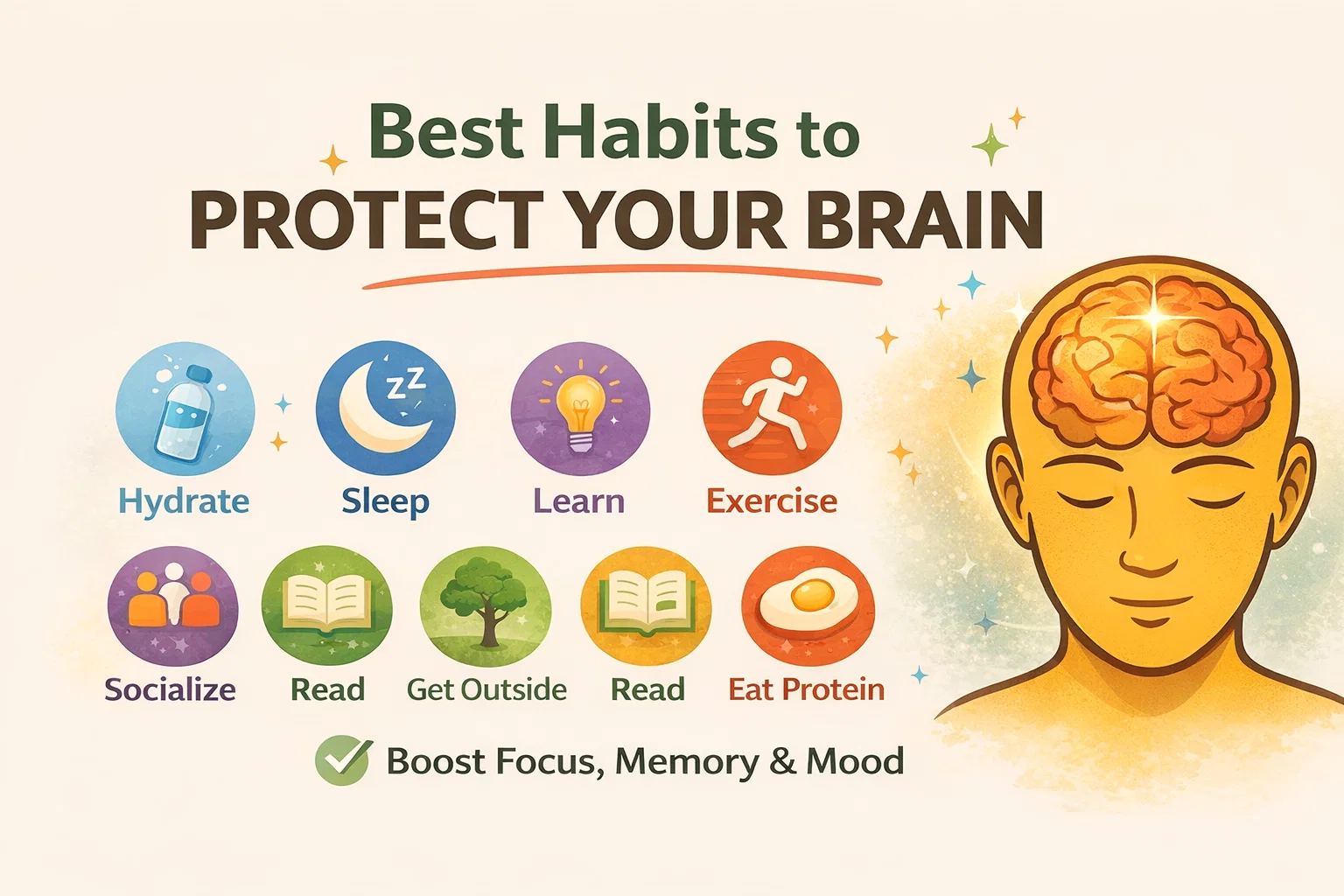
Have you ever noticed how a single night of poor sleep can leave you feeling lost in a mental fog the next day? Or how a brisk walk outside can suddenly clarify a problem you were stuck on for hours? Our brains are incredibly resilient, yet they are highly sensitive to the daily choices we make. We often think of cognitive decline as an unavoidable part of aging, but modern neuroscience and holistic health practices tell a completely different story. You hold immense power over your brain health. By adopting specific, mindful habits, you can physically protect your brain, enhance your daily cognitive function, and maintain mental sharpness well into your later years. Today, we are diving deep into the core lifestyle habits that serve as an invisible shield for your mind, helping you build a vibrant and resilient brain.
The Foundation of Cognitive Health and Clarity
Before we can optimize our mental performance, we must ensure our brain has the basic building blocks it needs to function. The physical environment of your brain dictates how well your neurons communicate. Two of the most critical factors in this environment are water and rest.
Hydration for Sharper Focus
It is easy to forget that the human brain is composed of roughly seventy-five percent water. When you fail to consume enough fluids, your brain physically shrinks in volume. Even mild dehydration can lead to a significant drop in concentration, impaired short-term memory, and an increase in feelings of anxiety and fatigue. Water is absolutely essential for the delivery of nutrients to the brain and for the removal of toxins. When you are fully hydrated, the exchange of nutrients and toxins is highly efficient, leading to sharper focus and quicker reaction times.
To maximize your cognitive clarity, you need to make hydration a constant habit rather than an afterthought. Try implementing these simple strategies:
- Start your day with a glass: Drink a large glass of water immediately upon waking to rehydrate after a long night of sleep.
- Infuse for flavor: If plain water bores you, add a slice of lemon, cucumber, or a sprig of mint to encourage more frequent sipping.
- Monitor your intake: Keep a reusable water bottle at your desk as a visual reminder to drink throughout the workday.
Sleep for Ultimate Memory Repair
Sleep is not simply a passive state of rest. It is a highly active biological process where your brain performs essential maintenance. During deep sleep, a network known as the glymphatic system activates, acting like a biological dishwasher to flush out toxic byproducts that accumulate during waking hours. Furthermore, sleep is the period when your brain consolidates memories. It takes the fragmented information you absorbed during the day and weaves it into your long-term memory network.
Without adequate sleep, your brain cannot repair itself, leading to memory deficits and a higher risk of cognitive decline over time. Prioritize your rest with these holistic tips:
- Maintain a consistent schedule: Go to bed and wake up at the exact same time every day, even on weekends, to regulate your circadian rhythm.
- Create a cool, dark sanctuary: Your bedroom should be optimized for sleep, free from the blue light of screens that disrupt melatonin production.
- Incorporate herbal support: Consider winding down with a calming herbal tea, such as chamomile or valerian root, to signal to your body that it is time to rest.
Fueling and Oxygenating Your Mind
Once the foundation is set, you need to provide your brain with the right fuel and oxygen to perform complex tasks. What you eat and how you move directly impact the physical structure and energy levels of your mind.
Movement Brings More Oxygen
Physical activity is quite literally medicine for your brain. When you engage in cardiovascular exercise, your heart rate increases, pumping a rich supply of oxygenated blood directly to your brain cells. This surge in blood flow delivers the oxygen and nutrients required for optimal function. More importantly, regular movement stimulates the release of Brain-Derived Neurotrophic Factor. This crucial protein acts like fertilizer for your brain, encouraging the growth of new neurons and the survival of existing ones.
You do not need to run a marathon to reap these benefits. Consistent, mindful movement is the key:
- Daily brisk walks: A thirty-minute walk can significantly boost your mood and cognitive flexibility.
- Incorporate stretching or yoga: Mindful movement practices not only increase blood flow but also help release physical tension that contributes to mental stress.
- Take active breaks: If you work at a desk, stand up, stretch, or do a few jumping jacks every hour to keep the blood flowing.
Protein as Essential Brain Fuel
While glucose provides the basic energy for brain cells, protein supplies the structural building blocks. The amino acids derived from the protein you eat are the precursors to neurotransmitters, the chemical messengers that allow your brain cells to communicate. For instance, the amino acid tryptophan is needed to create serotonin, which regulates mood, while tyrosine is essential for dopamine, which drives motivation and focus.
Ensuring you have an adequate and high-quality intake of protein is a cornerstone of holistic brain health. Consider these dietary habits:
- Diversify your sources: Include a mix of lean meats, fish, eggs, and plant-based proteins like lentils, beans, and quinoa in your diet.
- Start with a high-protein breakfast: Fuel your morning with protein to stabilize your blood sugar and provide sustained mental energy throughout the day.
- Snack smart: Keep nuts and seeds on hand. They are excellent sources of protein and healthy fats that support brain health.
Mental Gymnastics for Neuroplasticity
Your brain operates on a “use it or lose it” principle. To keep your mind strong and adaptable, you must consistently challenge it with novel and complex stimuli. This encourages neuroplasticity, which is the brain’s remarkable ability to reorganize itself by forming new neural connections throughout your life.
Learning Builds New Pathways
Every time you learn something new, you physically alter the structure of your brain. Engaging in challenging cognitive tasks forces your brain to build new pathways, making it more resilient against age-related decline. The key is to step outside your comfort zone and tackle subjects that require real effort and concentration.
Whether you want to learn Japanese, pick up a musical instrument, or master a new form of digital content creation, the process of learning is vital. Here is how to keep your brain growing:
- Dedicate time to a new language: Language acquisition is one of the most effective ways to stimulate broad areas of the brain.
- Embrace new hobbies: Try activities that require hand-eye coordination and spatial reasoning, like knitting, painting, or building models.
- Stay curious: Make it a habit to research topics you know nothing about, keeping your sense of wonder and intellectual curiosity alive.
Reading for a Stronger Mind
In an era of short-form video content and rapid scrolling, the act of deep reading is a superpower. Reading a book requires sustained attention, imagination, and complex cognitive processing. As you read, your brain is simultaneously decoding text, visualizing scenes, and predicting outcomes. This mental workout strengthens the neural networks associated with language, empathy, and critical thinking.
To cultivate a stronger mind through reading, try these approaches:
- Read physical books: The tactile experience of a physical book can improve comprehension and retention compared to reading on a screen.
- Explore diverse genres: Alternate between fiction, which boosts empathy and imagination, and non-fiction, which builds your knowledge base and analytical skills.
- Set a daily reading goal: Commit to reading just twenty pages a day. Over a year, this small habit translates into dozens of books and a significantly stronger mind.
Emotional and Environmental Wellness
Finally, we cannot ignore the profound impact that our environment and our social connections have on our cognitive longevity. Stress and isolation are toxic to the brain, while connection and peace act as powerful protective factors.
Social Time for a Longer, Healthier Life
Humans are inherently social creatures, and our brains are hardwired for connection. Extensive research, including studies of the world’s longest-living populations, shows that strong social ties are a primary predictor of a long, healthy life. Engaging in meaningful conversations requires rapid cognitive processing, emotional intelligence, and memory recall. Conversely, chronic loneliness has been linked to an increased risk of cognitive decline and elevated stress hormones.
Nurturing your social life is a direct investment in your brain health. Make connection a priority:
- Schedule regular catch-ups: Do not leave social time to chance. Plan weekly walks or coffee dates with friends or family members.
- Join a community group: Find a club or organization centered around a shared interest, such as a book club, a hiking group, or a community garden.
- Prioritize deep conversations: Move beyond small talk. Vulnerable, meaningful discussions stimulate the brain and release oxytocin, the bonding hormone.
Nature for Deep Stress Relief
Modern life is often loud, fast-paced, and intensely stressful. Chronic stress bathes the brain in cortisol, a hormone that, over time, can damage the hippocampus, the brain’s memory center. One of the most effective, natural remedies for chronic stress is spending time in nature. The practice of immersing yourself in a natural environment lowers blood pressure, reduces heart rate, and significantly decreases cortisol levels.
Nature provides a restorative environment that allows your brain to shift out of high-alert mode and into a state of relaxed awareness. Integrate nature into your routine with these practices:
- Practice forest bathing: Take slow, mindful walks in a wooded area, paying close attention to the sights, sounds, and smells around you.
- Bring nature indoors: If you cannot get outside, fill your home and workspace with houseplants to improve air quality and provide a calming visual anchor.
- Seek out green spaces: Make it a habit to eat your lunch in a local park or take an evening stroll through a botanical garden to decompress from the day.
Conclusion
Protecting your brain is not about relying on a single magic pill or a temporary fad diet. It is about embracing a holistic, active, and mindful lifestyle. By consciously integrating these habits into your daily routine, you are doing much more than just surviving; you are actively optimizing your cognitive potential. Hydrating for focus, prioritizing sleep for memory repair, continuously learning, moving your body, connecting with others, and finding peace in nature all work synergistically to build a resilient mind.
The beauty of this approach is that it is completely within your control. You do not need to overhaul your entire life overnight. Start by choosing just one or two of these areas to focus on this week. Perhaps you will commit to drinking an extra glass of water each morning, or maybe you will finally start learning those Japanese phrases you have been thinking about. Every small, positive choice you make is a deposit into your long-term cognitive health. Embrace these habits, fuel your brain, and watch as your focus, memory, and overall vitality soar.