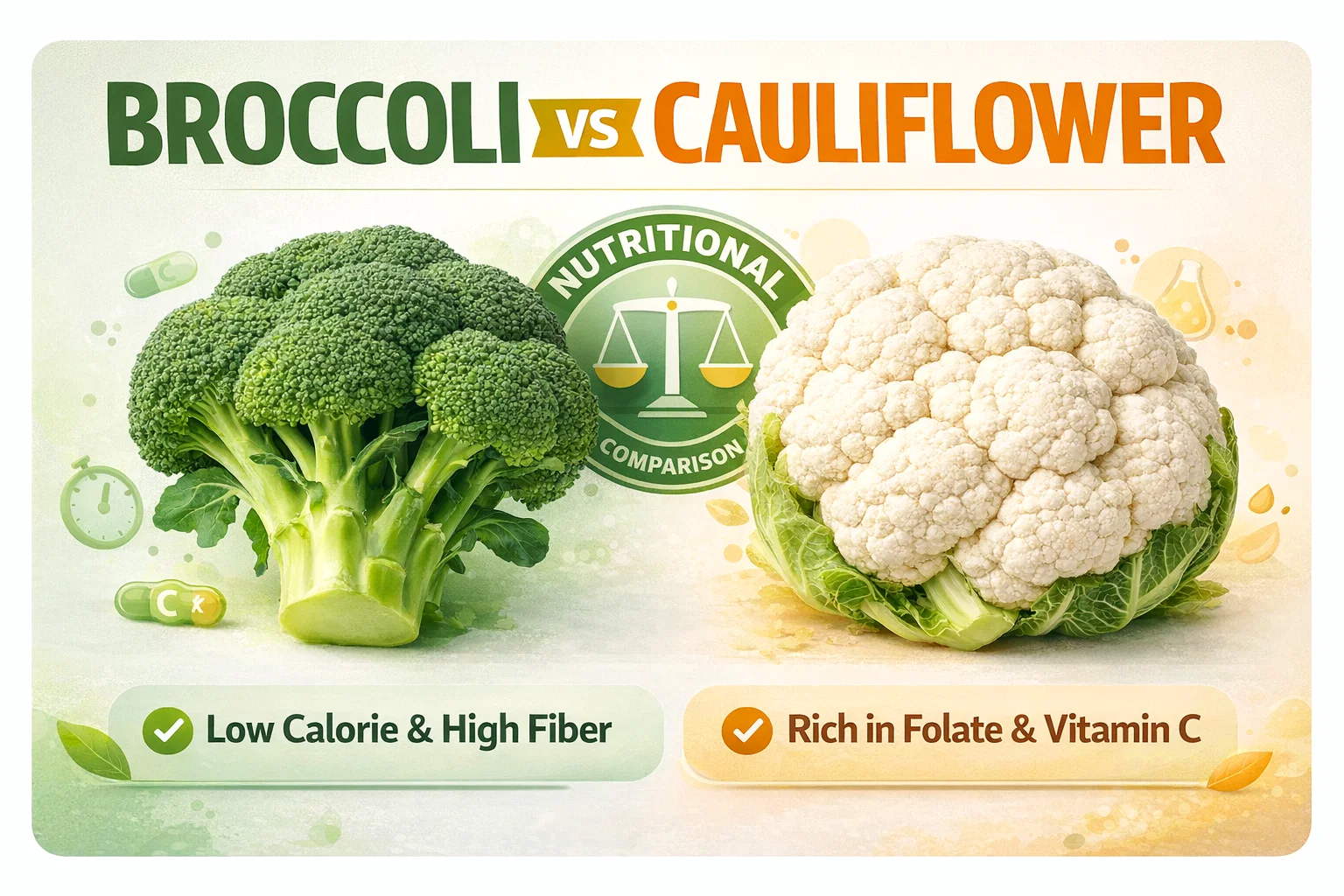
Broccoli vs Cauliflower Nutrition Facts Health Benefits
When you walk down the produce aisle, you are often faced with a tough choice between two of the most popular vegetables in the world. On one side, you have the vibrant, green florets of broccoli. On the other side, you have the pale, dense, and incredibly versatile cauliflower. Both are celebrated as staple ingredients in a healthy diet, and both belong to the same impressive botanical family. However, when it comes to maximizing your nutritional intake, you might find yourself wondering which of these cruciferous cousins truly deserves the top spot on your grocery list.
Whether you are planning a meal prep menu, adopting a low carbohydrate lifestyle, or simply trying to feed your body the best possible vitamins and minerals, understanding the distinct benefits of each vegetable is crucial. Let us take a deep dive into the nutritional profiles, health benefits, and culinary uses of these two vegetables so you can make an informed decision for your next meal.
The Botanical Cousins: Understanding Cruciferous Vegetables
Before we pit them against each other, it is fascinating to note that both broccoli and cauliflower are actually different cultivars of the exact same plant species, known scientifically as Brassica oleracea. This incredible plant has been bred over centuries to produce an array of familiar vegetables, including cabbage, Brussels sprouts, kale, and kohlrabi. Because they share this genetic background, they both offer a baseline of incredible health benefits, particularly when it comes to their glucosinolate content. Glucosinolates are sulfur containing compounds that have been extensively studied for their cellular protection and anti-inflammatory properties.
Despite their shared ancestry, selective breeding has resulted in distinct nutritional profiles. The green pigment in broccoli brings along specific vitamins, while the lack of chlorophyll in white cauliflower results in a different balance of macronutrients and micronutrients. The differences might seem small at first glance, but they can play a significant role depending on your specific health and wellness goals.
Broccoli: The Green Nutritional Powerhouse
Broccoli is frequently hailed as a superfood, and a quick look at its nutritional facts makes it easy to see why. It is dense, packed with vibrant color, and loaded with essential vitamins that your body craves on a daily basis.
Calorie and Fiber Content
For a standard serving, broccoli contains about 31 calories and provides 2.4 grams of dietary fiber. This makes it an incredibly nutrient dense food. You are getting a substantial volume of food that will keep you feeling full and satisfied without consuming a high number of calories. The dietary fiber is essential for maintaining a healthy digestive tract, supporting a robust gut microbiome, and helping to regulate blood sugar levels after a meal.
The Vitamin C and K Advantage
Where broccoli truly shines is in its vitamin content. A single serving delivers an impressive 90 milligrams of Vitamin C. This is a crucial water soluble vitamin that acts as a powerful antioxidant in the body. It is necessary for the production of collagen, which keeps your skin looking youthful and your joints functioning smoothly. Furthermore, Vitamin C is a cornerstone of a healthy immune system.
Equally impressive is the Vitamin K profile. Broccoli boasts a massive 102 micrograms of Vitamin K per serving. Vitamin K is absolutely vital for blood clotting and plays a major role in bone metabolism. By ensuring adequate Vitamin K intake, you are actively supporting your bone density and cardiovascular health.
Vitamin A and Antioxidant Levels
The dark green color of broccoli is a visual indicator of its Vitamin A content, providing 60 micrograms per serving. Vitamin A is essential for maintaining healthy vision, supporting organ function, and bolstering the immune system. When combined with its generally high level of overall antioxidants, broccoli acts as a formidable defender against oxidative stress and free radical damage in the body.
Cauliflower: The Versatile Culinary Chameleon
While cauliflower might lack the bright green hue of its cousin, it is by no means lacking in value. Cauliflower has experienced a massive surge in popularity recently, largely due to its incredible ability to mimic higher carbohydrate foods while offering a solid nutritional foundation.
Low Calorie and Carbohydrate Friendly
Cauliflower comes in slightly lower in calories than broccoli, containing only 25 calories per serving. It also provides 2 grams of dietary fiber. This exceptionally low calorie and low carbohydrate profile makes cauliflower the undisputed champion of the keto diet and other low carbohydrate eating plans. People successfully use it to replace rice, mash it like potatoes, or even bake it into a pizza crust. It allows you to enjoy comforting textures without the associated carbohydrate crash.
A Solid Vitamin Profile
Although it does not reach the towering heights of broccoli, cauliflower still offers a very respectable amount of Vitamin C, coming in at 48 milligrams per serving. This is still a significant contribution to your daily needs, helping to support immunity and tissue repair. The Vitamin K content is much lower at 15 micrograms, but it remains a helpful addition to your overall daily intake.
Folate and Antioxidant Support
Interestingly, cauliflower stands almost toe to toe with broccoli when it comes to Folate, offering 55 micrograms compared to broccoli’s 57 micrograms. Folate, also known as Vitamin B9, is critical for DNA synthesis, cell division, and the formation of red blood cells. It is especially important for pregnant women or those looking to support overall cellular health. While cauliflower has zero Vitamin A and is rated as having moderate antioxidants compared to broccoli’s high rating, it still contains unique phytonutrients that support liver detoxification and overall wellness.
Head to Head: Which Vegetable Wins?
Determining a clear winner between these two vegetables depends entirely on what you are trying to achieve with your diet. There is no one size fits all answer, but we can break down the winner based on specific dietary goals.
For Maximum Nutrient Density and Immunity
If your primary goal is to pack as many vitamins and antioxidants into your body as possible, broccoli is the clear winner. The significantly higher levels of Vitamin C, Vitamin K, and Vitamin A make it a nutritional heavyweight. If you are feeling under the weather, looking to improve your skin health, or wanting to support your bone density, you should be reaching for those green florets.
For Weight Loss and Low Carbohydrate Diets
If you are closely monitoring your caloric intake or following a strict low carbohydrate regimen like the ketogenic diet, cauliflower takes the crown. Its slightly lower calorie count and its incredible culinary versatility mean you can eat larger portions or use it as a substitute for heavy, starchy foods. It allows you to feel like you are eating a hearty meal of rice or potatoes while keeping your diet perfectly on track.
How to Incorporate Both Into Your Daily Routine
The absolute best approach to nutrition is variety. Because these vegetables offer slightly different benefits, incorporating both into your weekly meal plan is the smartest strategy. Here are a few engaging ways to prepare them so you never get bored.
- Perfectly Roasted Broccoli: Toss broccoli florets with a light drizzle of olive oil, minced garlic, sea salt, and a squeeze of fresh lemon juice. Roast at a high temperature until the edges are crispy and slightly charred. The roasting process caramelizes the natural sugars and creates a deep, savory flavor.
- Cauliflower Rice Bowls: Pulse raw cauliflower in a food processor until it resembles rice grains. Sauté this lightly in a pan with a touch of sesame oil, soy sauce, and your favorite vegetables for a fantastic, low carbohydrate fried rice alternative.
- Blended Soups: Both vegetables make incredibly creamy soups without the need for heavy dairy. Steam either vegetable until very tender, then blend with vegetable broth, a handful of nutritional yeast, and savory herbs for a comforting, nutrient dense meal.
- Raw and Crunchy Snacking: Do not underestimate the power of raw vegetables. Keep small florets of both broccoli and cauliflower in your refrigerator to dip into hummus or a Greek yogurt based dressing for a quick, fiber rich snack.
The Final Verdict on Our Cruciferous Friends
At the end of the day, the battle between broccoli and cauliflower is a win for anyone who chooses to eat them. Broccoli stands out as a superior source of vital nutrients like Vitamin C, Vitamin K, and Vitamin A, making it an essential component for immune support and overall vitality. Cauliflower, meanwhile, shines brightly as a culinary superstar, offering a low calorie, highly adaptable option that makes healthy eating incredibly accessible and fun.
Instead of declaring a single winner, celebrate the strengths of both. Use broccoli when you need a vibrant, nutrient packed side dish, and turn to cauliflower when you want to recreate your favorite comfort foods with a healthy twist. By alternating these two incredible vegetables in your diet, you will enjoy a wide spectrum of health benefits, fantastic flavors, and a truly balanced approach to nutrition.