Build a DIY Underground Root Cellar The Ultimate Guide to Natural Long-Term Food Storage
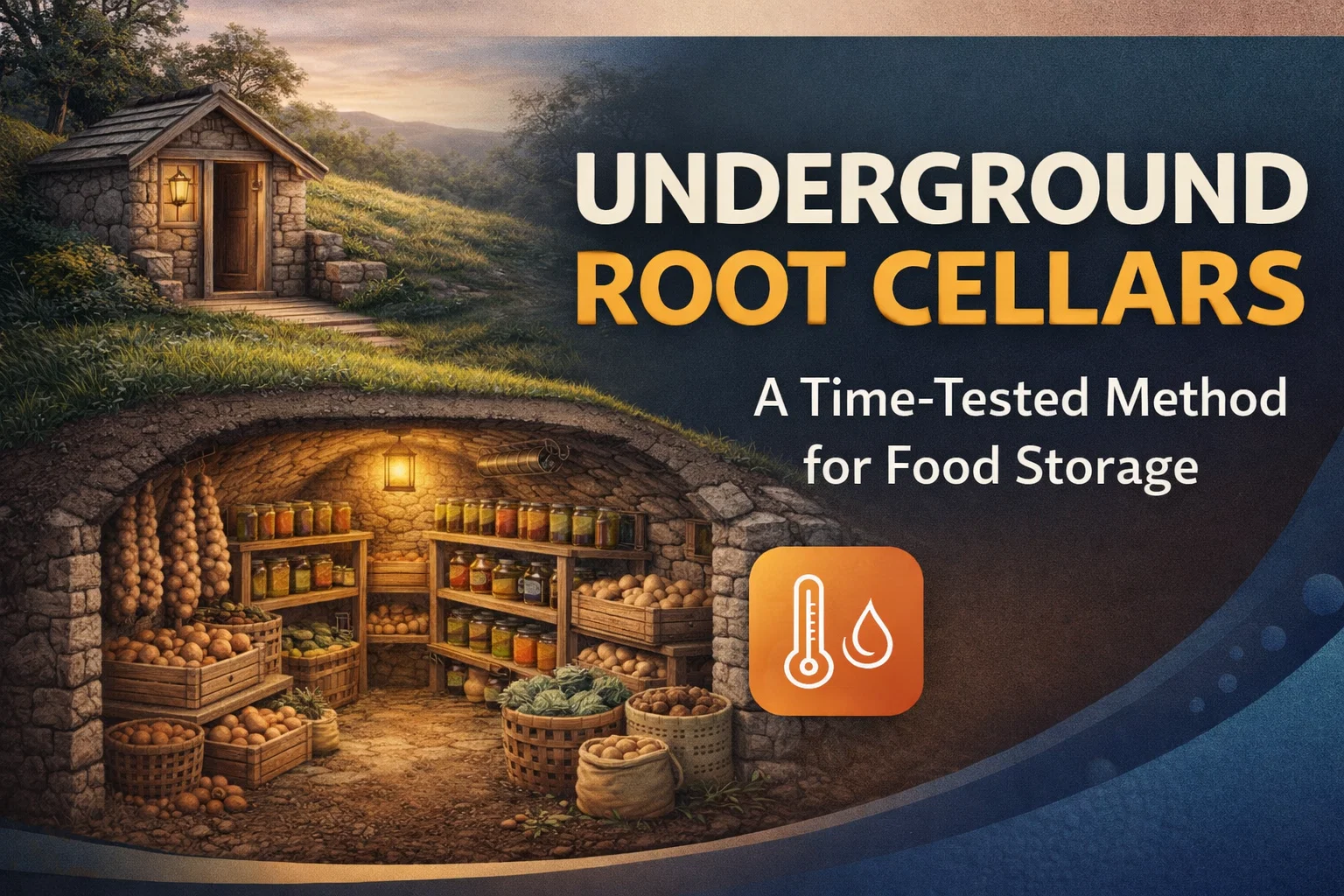
The gentle hum of a modern refrigerator is a sound we have all grown accustomed to, but there was a time when the preservation of a seasons harvest relied on nothing more than the cool, damp embrace of the earth itself. The image of a traditional underground root cellar, tucked neatly into a grassy hillside, evokes a sense of timeless practicality that many modern homeowners are beginning to rediscover. There is something deeply satisfying about stepping down stone steps into a quiet, subterranean sanctuary where the air is naturally chilled and the scent of earth and stored apples lingers. This is more than just a storage solution; it is a bridge to a more sustainable, self-sufficient way of life that honors the rhythms of the seasons.
The Science of Subterranean Storage
At its core, a root cellar is a marvel of passive engineering. By utilizing the thermal mass of the earth, these structures maintain a remarkably consistent temperature regardless of the weather above ground. Once you descend a few feet below the frost line, the soil remains at a steady temperature, usually between 32 and 40 degrees Fahrenheit in the winter and slightly warmer in the summer. This stability is the secret to keeping vegetables from sprouting, rotting, or wilting prematurely.
Humidity is the second half of the preservation equation. While a standard refrigerator is designed to remove moisture, a root cellar embraces it. Most root crops, such as carrots, beets, and potatoes, require high humidity levels to stay crisp and hydrated. Without this moisture, they quickly become rubbery and lose their nutritional value. The stone walls and dirt floors of a classic cellar naturally regulate this humidity, creating a perfect microclimate for long term storage without a single watt of electricity.
Natural Ventilation and Airflow
While coolness and moisture are vital, stagnant air is the enemy of any storage space. As fruits and vegetables sit, they release ethylene gas, a natural ripening agent. If this gas is allowed to build up, it can cause neighboring produce to spoil much faster than intended. A well designed root cellar incorporates simple vents that allow fresh air to enter at a low point and warm, gas laden air to exit through a chimney or high vent. This constant, subtle circulation ensures that the environment remains fresh and the produce stays dormant for as long as possible.
Essential Components of a Functional Cellar
Looking at the interior of a traditional cellar, you will notice a specific organization that is both aesthetic and highly functional. The use of heavy wooden shelving, woven baskets, and breathable burlap sacks is not just for show. These materials allow air to move around the food, preventing hot spots and moisture buildup that lead to mold. Storing potatoes in deep wooden bins and hanging onions in braided strands from the ceiling are techniques passed down through generations because they work.
Lighting also plays a critical role. Root cellars must remain dark most of the time. Light is a signal for many vegetables to begin growing again. If a potato is exposed to light, it will turn green and begin to sprout eyes, rendering it less desirable for eating. Simple lanterns or low wattage bulbs used only when accessing the cellar are all that is needed to navigate the space while keeping the produce in its restorative slumber.
What to Store in Your Underground Pantry
Not every crop is a candidate for the cellar, but the list of those that are is surprisingly long. The champions of the root cellar are, unsurprisingly, root vegetables. Carrots, parsnips, beets, and turnips can last for six months or more if buried in boxes of damp sand or sawdust. This method mimics their natural environment in the ground, keeping them firm and sweet well into the spring months.
The Potato and Onion Rule
Potatoes and onions are the backbone of many winter meals, but they are somewhat picky roommates. Potatoes prefer a dark, very cool spot, while onions and garlic like things a bit drier. Many people find success by keeping onions on higher shelves or near the entrance where the air might be slightly less humid, while potatoes stay in the darkest, coolest corners near the floor. It is important to remember never to store onions and potatoes right next to each other, as the gasses from the onions can cause the potatoes to sprout prematurely.
Apples and Pears
Fruits like apples and pears are the crown jewels of a winter cellar. These fruits release the most ethylene gas, so they are often kept on the highest shelves or in a separate compartment if possible. When wrapped individually in newspaper or stored in single layers, they can provide a fresh, sweet crunch long after the trees in the orchard have gone dormant for the winter. The cold temperature of the cellar slows down their metabolic rate, effectively pausing time for the fruit.
The Revival of Homesteading Traditions
In an age of instant gratification and global supply chains, the idea of building a root cellar might seem like a step backward. However, more people are realizing the vulnerability of relying solely on the grocery store. Creating a personal food reserve is a powerful way to increase household resilience. Whether you are a gardener looking to store your surplus or someone who likes to buy in bulk from local farmers during the peak of the season, a cellar offers a low cost way to keep food fresh for months.
There is also a profound psychological benefit to this practice. Walking into a stocked cellar provides a sense of security and connection to the land. It encourages a slower pace of life and a deeper appreciation for the food we consume. Instead of opening a plastic bag from a store, you are selecting a vegetable that was grown with care and stored with intention. It turns a simple meal into a celebration of the seasons.
Planning and Building Your Own Cellar
You do not need a massive acreage or a professional construction crew to start your own root storage project. While the image of a stone vault built into a hill is the gold standard, there are many ways to adapt this concept to modern homes. Some people convert a corner of an unfinished basement by adding insulation and ventilation, while others bury large barrels or specialized storage containers in the backyard. The principles remain the same: keep it cool, keep it dark, and keep the air moving.
Location and Drainage
The most important consideration when planning a cellar is the location. You want a spot that is well drained to ensure that water does not pool inside during heavy rains. A north facing slope is ideal because it receives less direct sunlight, helping the earth stay cooler. If you are building on flat ground, you may need to mound earth over the top of the structure to provide the necessary insulation. This creates a beautiful, green feature in the landscape that blends seamlessly with the surrounding garden.
Materials and Longevity
Traditional cellars were often built with stone or brick, which are excellent for absorbing and releasing moisture while providing incredible durability. Modern builders often use concrete blocks or poured concrete for ease of construction. Regardless of the material, the structure needs to be strong enough to withstand the weight of the soil above it. Using rot resistant woods like cedar or locust for internal shelving ensures that the damp environment does not degrade your storage bins over time.
The Joy of Seasonal Living
Living with a root cellar changes the way you cook and eat. In the height of summer, you might be focused on fresh greens and tomatoes, but as the leaves turn, the focus shifts to the hearty, earthy flavors stored beneath the ground. A winter stew made with cellar stored potatoes, carrots, and leeks has a depth of flavor that is hard to match. These vegetables often become sweeter after a bit of cold storage as their starches slowly convert to sugars.
This cycle of harvest and storage brings a sense of rhythm to the year. It reminds us that there is a time for growth and a time for rest. The root cellar is the physical manifestation of that rest, a quiet place where the bounty of the sun is kept safe during the long, cold nights of winter. It is a reminder that the old ways often hold the most sustainable solutions for the future.
Conclusion
The timeless practicality of an underground root cellar is more relevant today than ever before. In a world that often feels disconnected from the natural environment, these structures offer a way to ground ourselves and our food systems. By understanding the simple laws of physics and biology, we can create a storage space that is efficient, eco friendly, and incredibly rewarding. Whether you are a dedicated homesteader or simply someone who appreciates the beauty of a well kept pantry, the root cellar stands as a testament to human ingenuity and our enduring relationship with the earth. Building one is an investment in your home, your health, and a more self reliant future. Embrace the cool, dark quiet of the earth and discover the magic of the cellar for yourself.