Circular Integrated Farming System Biogas, Livestock Organic Crop Management Ideas
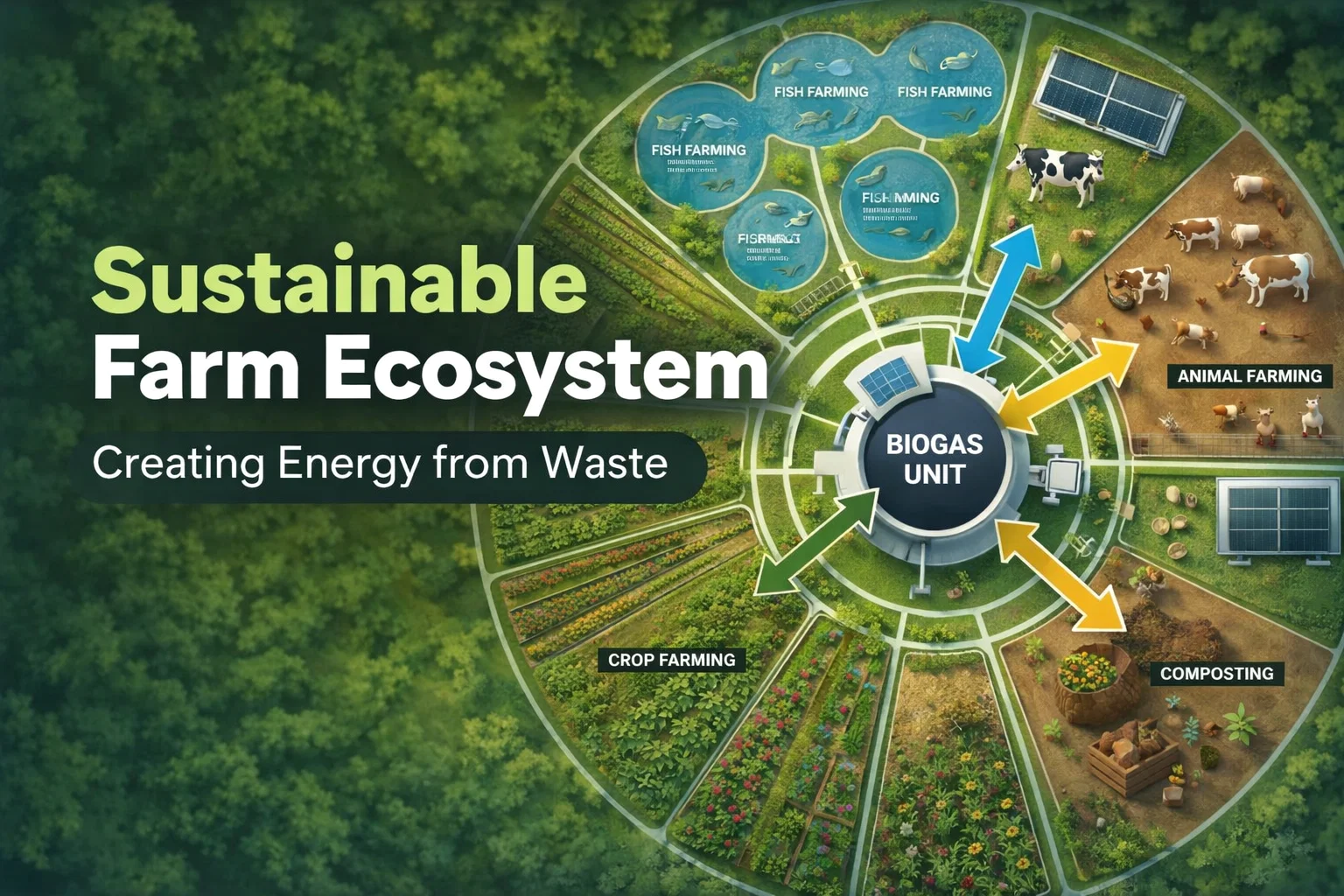
Imagine a world where your farm works as a perfectly synchronized orchestra, where every output from one section becomes the vital input for another. This is not just a dream of the distant future but a tangible reality through the power of integrated circular farming. The visual breakdown of a modern sustainable homestead shows us exactly how we can move away from wasteful, linear production and toward a regenerative cycle that heals the earth while providing an abundance of food and energy. By placing a biogas unit at the very heart of the operation, we transform what was once considered waste into the lifeblood of the entire ecosystem.
The Heart of the System: Understanding the Biogas Unit
At the center of any truly efficient circular farm lies the biogas unit. This technology acts much like a mechanical stomach, breaking down organic matter through anaerobic digestion. When we look at the flow of resources, the biogas unit serves as the primary processing hub. It takes in animal waste from the livestock sectors and green waste from crop production, fermenting these materials to produce two incredibly valuable outputs: methane gas and nutrient-rich slurry.
The methane gas provides a clean, renewable source of energy for cooking, heating, or even generating electricity for the farm. Meanwhile, the byproduct known as digestate is perhaps the most potent organic fertilizer available. Unlike raw manure, which can contain pathogens or weed seeds, the fermentation process in the biogas unit creates a stabilized, liquid fertilizer that is immediately bioavailable for plants. This central hub ensures that nothing leaves the farm as “trash,” but instead returns to the soil to start the cycle over again.
Closing the Nutrient Loop with Livestock
In a traditional farming setup, animal waste is often seen as a management headache. In a circular model, livestock are the essential nitrogen-movers of the landscape. Whether you are raising cows, pigs, or poultry, these animals process plant matter and concentrate nutrients into their manure. By directing this waste straight into the biogas system, you eliminate the runoff issues that often plague industrial farms.
Furthermore, the relationship between animals and crops is symbiotic. The animals provide the fertilizer through the biogas intermediary, while the crop farming sections provide high-quality feed, stalks, and husks to keep the livestock healthy. This reduces the need to purchase expensive external feed, lowering the carbon footprint of the entire operation and ensuring that the animals are eating fresh, organic material grown right on the premises.
Crop Farming: Diversity and Synergy
The outer rings of an integrated farm are dedicated to a diverse array of crops. Moving away from monoculture is a key principle of regenerative agriculture. By planting various vegetables, grains, and fruits in close proximity, you create a resilient ecosystem that is less susceptible to pests and diseases. The image illustrates a segmented approach where different types of crops are rotated and nourished by the recycled energy from the center of the farm.
When these crops are harvested, the parts that humans do not consume—such as corn stalks, pea vines, or bruised fruit—are not thrown away. They are either fed to the animals or sent to the composting and biogas sections. This ensures that the carbon captured by the plants during their growth is returned to the earth, building up the organic matter in the soil and increasing its water-retention capabilities over time.
The Role of Solar Energy in Modern Farming
While the biogas unit handles the chemical and biological energy of the farm, solar panels provide the electrical backbone. Modern sustainable farms utilize “agrivoltaics,” placing solar arrays on the roofs of animal shelters or in dedicated sections of the field. This clean electricity can power irrigation pumps, automated feeding systems, and the machinery required to maintain the biogas unit. By combining biological energy with solar energy, the farm becomes truly energy-independent, shielded from the fluctuating costs of the traditional power grid.
Aquaculture and Hydroponics: The Blue Revolution
Fish farming, or aquaculture, adds another layer of complexity and productivity to the circular model. Fish are incredibly efficient at converting feed into protein, but they produce water rich in ammonia. In an integrated system, this “dirty” fish water is actually a goldmine for plant growth. Through a process similar to aquaponics, the nutrient-rich water from the fish ponds is pumped into the crop sectors.
The plants act as a natural filter, absorbing the nitrogen and phosphorus from the water to fuel their growth. Once the water is purified by the plants, it can be cycled back into the fish ponds or used for general irrigation. This multi-use water strategy is vital for farming in regions where water scarcity is a growing concern. It allows for the production of high-quality protein and fresh produce simultaneously while using a fraction of the water required by traditional methods.
Composting: The Final Layer of Soil Health
While the biogas unit handles the wet organic waste, a dedicated composting section manages the drier, carbon-heavy materials like wood chips, dry leaves, and straw. Composting is a slower, aerobic process that creates a rich, earthy humus. This material is essential for improving the physical structure of the soil. While liquid fertilizer from the biogas unit provides a quick nutrient boost, compost provides the long-term “sponge” that keeps the soil alive with beneficial microbes and fungi.
The Economic Benefits of Going Circular
Transitioning to an integrated circular farming system is not just an environmental choice; it is a savvy business move. Farmers who adopt these models see a dramatic reduction in “input costs.” When you produce your own electricity, your own fertilizer, and much of your own animal feed, your reliance on external markets disappears. This makes the farm much more resilient to economic shocks and global supply chain disruptions.
Creating Multiple Revenue Streams
A circular farm is naturally diversified. Instead of relying on the market price of a single crop, the integrated farmer can sell organic vegetables, sustainably raised meat, fresh fish, and even surplus compost or energy. This diversity ensures a steady cash flow throughout the seasons and protects the farmer’s livelihood. In many parts of the world, integrated farms are also becoming hubs for eco-tourism and education, providing even more ways to monetize the beautiful, green landscape they have created.
How to Start Your Own Integrated Ecosystem
You do not need hundreds of acres to begin implementing these principles. The beauty of the circular model is that it is scalable. A backyard gardener can start by connecting a small compost bin to their vegetable patch or installing a miniature biogas bag to process kitchen scraps. The goal is to start thinking in loops rather than lines. Ask yourself: “What is leaving my system as waste, and how can I turn it into food for something else?”
Step-by-Step Implementation
- Map Your Flows: Identify every waste product currently leaving your home or farm.
- Prioritize Soil: Start a composting or biogas system to begin recycling those nutrients back into your garden.
- Introduce Diversity: Add a few chickens or a small fish pond to provide natural fertilizer and pest control.
- Harvest the Sun: Look for ways to integrate solar power to run your basic tools and pumps.
Embracing the Future of Agriculture
The integrated circular farming system represents a return to harmony with nature, enhanced by modern technology. By viewing the farm as a living, breathing organism where every part supports the whole, we can create a food system that is truly sustainable for generations to come. This model proves that we do not have to choose between productivity and the planet. With smart design and a commitment to recycling resources, we can grow an abundance of healthy food while actually improving the environment around us.
As we move forward into an era of climate uncertainty, these self-contained, resilient ecosystems will become the gold standard for agriculture. Whether you are a professional farmer, a hobbyist, or simply someone interested in the future of food, understanding the circular flow of energy and nutrients is the first step toward a greener world. By supporting local integrated farms and implementing these practices in our own lives, we contribute to a movement that values life, health, and the long-term vitality of the earth. Let’s stop wasting our waste and start growing a better future together.