Clove-Infused Mouthwash Recipe DIY Natural Oral Rinse for Sensitive Gums Fresh Breath
Stepping into the world of natural wellness often begins with the simplest ingredients found right in your kitchen cupboard. If you have ever opened a jar of whole cloves, you know that potent, spicy aroma that immediately clears the senses. But beyond their role in holiday baking, cloves and cinnamon hold a legendary status in traditional herbalism for their remarkable ability to support oral hygiene. Creating your own clove-infused oral elixir is one of the most rewarding DIY projects you can undertake. It is a small but powerful step toward a non-toxic lifestyle, replacing alcohol-heavy commercial mouthwashes with a gentle, botanical alternative that actually works with your body. This guide will walk you through everything you need to know about this ancient remedy, from the science of its ingredients to the best ways to incorporate it into your daily rhythm.
The Power of Cloves for Oral Health
Cloves are the dried flower buds of the Syzygium aromaticum tree, and they have been a staple in dental care for centuries. Long before modern dentistry, people reached for clove oil or chewed on whole cloves to find relief from tooth discomfort. The secret lies in a compound called eugenol. This natural chemical acts as a potent anesthetic and antiseptic, which is why your gums might feel a slight numbing sensation when you use a clove-based rinse. This makes it an incredible ally for those dealing with sensitive gums or occasional inflammation.
Natural Antibacterial Properties
One of the primary reasons to switch to an infused elixir is the antibacterial benefit. Many store-bought rinses use harsh chemicals that kill all bacteria in the mouth, including the beneficial ones that help with digestion. Clove infusion is much more selective. It helps target the specific bacteria responsible for plaque buildup and gum disease without stripping your mouth of its natural defenses. By using this rinse regularly, you are creating an environment where healthy oral flora can thrive.
A Solution for Sensitive Gums
If you find that commercial mouthwashes sting or leave your mouth feeling dry, it is likely due to the high alcohol content. Alcohol is a desiccant, meaning it dries out the soft tissues in your mouth. This can lead to more irritation over time. A water-based infusion of cloves and cinnamon provides a soothing experience. The anti-inflammatory nature of these spices helps to calm redness and swelling, providing a sense of comfort after brushing.
Why Add Cinnamon to Your Elixir?
While cloves are the star of the show, adding a cinnamon stick to your infusion is more than just a flavor choice. Cinnamon contains cinnamaldehyde, which has its own set of antifungal and antibacterial properties. When combined with cloves, it creates a synergistic effect that broadens the spectrum of protection for your teeth and gums. Furthermore, cinnamon is naturally warming, which helps to stimulate blood flow to the gum tissue, encouraging natural healing processes.
Naturally Freshening Breath
Bad breath is often caused by sulfur-producing bacteria that live in the crevices of the tongue and between teeth. Instead of just masking the scent with artificial mint, the combination of clove and cinnamon actually addresses the root cause by neutralizing these bacteria. The spicy, sweet scent of cinnamon lingers pleasantly, providing a freshness that feels clean rather than chemically manufactured.
How to Make Your Clove-Infused Oral Elixir
The beauty of this recipe lies in its simplicity. You do not need expensive equipment or a chemistry degree to create a high-quality oral rinse at home. Follow these steps to ensure you get the most out of your botanical ingredients.
Gathering Your Ingredients
- 1 Cup of Filtered Water: Using filtered or distilled water ensures that no chlorine or heavy metals interfere with the infusion process.
- 5 to 6 Whole Cloves: Look for organic, high-quality cloves that are plump and dark brown. If they look dusty or gray, they may have lost their essential oils.
- 1 Small Cinnamon Stick: Ceylon cinnamon is often preferred for its delicate flavor, but Cassia cinnamon works perfectly well for an oral rinse due to its strong antibacterial profile.
The Infusion Process
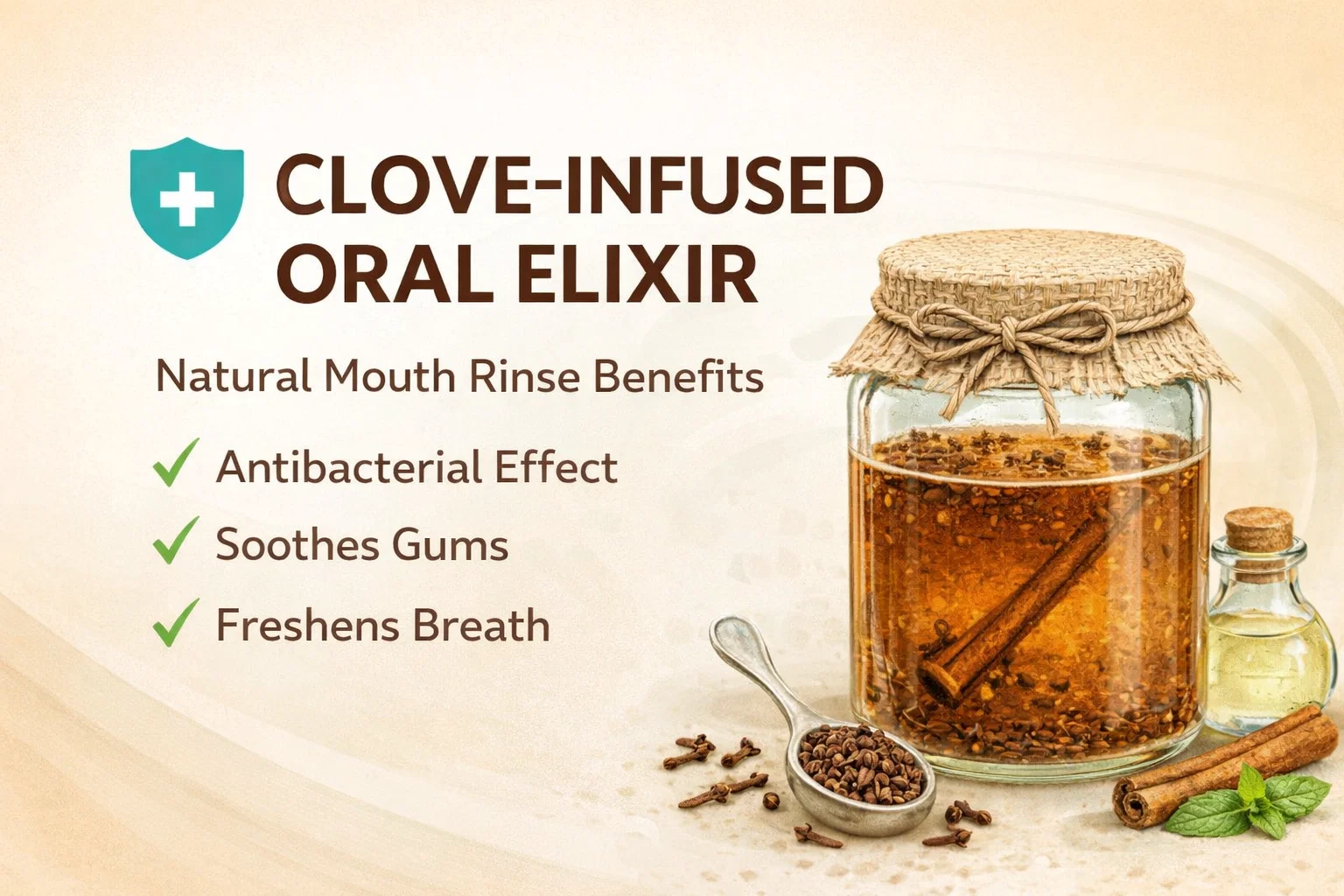
To start, place your water in a small stainless steel or glass pot. Add the cloves and the cinnamon stick. Bring the mixture to a gentle boil, then immediately reduce the heat and let it simmer for about five minutes. This heat helps break down the cellular structure of the spices, allowing the oils to move into the water. After simmering, remove the pot from the heat and cover it with a lid. Letting it steep while it cools is a crucial step, as it prevents the volatile oils from escaping through the steam. Once it has reached room temperature, strain the liquid into a clean glass jar.
Best Practices for Using and Storing Your Rinse
Because this is a natural product without synthetic preservatives, it requires a little bit of extra care to keep it fresh and effective. Treating your elixir like the fresh botanical product it is will ensure you get the best results every time you use it.
Daily Routine Integration
Use your clove elixir just like you would any other mouthwash. After brushing and flossing, take a small sip and swish it around your mouth for thirty to sixty seconds. Make sure to gargle slightly to reach the back of the throat where bacteria often hide. Since it is entirely natural, you do not have to worry about accidental ingestion, though it is intended as a rinse. Many people find that using it twice a day, in the morning and before bed, provides the best balance for their oral microbiome.
Storage and Shelf Life
Store your elixir in a glass jar, ideally one with a tight-sealing lid. While the spices themselves have preservative qualities, a water-based infusion will not stay fresh forever on the counter. It is best to keep your jar in the refrigerator. Not only does this extend the shelf life to about two weeks, but the cold temperature also feels incredibly refreshing on sensitive or inflamed gums. If you notice any change in smell or the liquid becomes cloudy, it is time to compost that batch and brew a fresh one.
The Holistic Benefits of Slow Living Rituals
Creating your own personal care products is a cornerstone of the slow living movement. It encourages us to take a moment out of our busy schedules to focus on the “how” and “why” behind our daily habits. When you make your own mouthwash, you are making a conscious choice to reduce plastic waste and avoid the mystery ingredients found in mass-produced items. It turns a mundane task like rinsing your teeth into a small ritual of self-care and connection to the natural world.
Sustainable Gardening and Sourcing
If you are a fan of sustainable gardening, you might already be looking for ways to source your ingredients ethically. While cloves and cinnamon are tropical spices that most of us cannot grow at home, buying them in bulk from organic suppliers reduces packaging waste. You can even reuse the spent cloves and cinnamon sticks in your garden mulch or compost bin after you have finished your infusion, ensuring a zero-waste cycle.
Customizing Your Oral Elixir
Once you have mastered the basic recipe, you can begin to experiment with other herbs that suit your specific needs. The world of herbalism is vast, and many plants offer unique benefits for the mouth and throat.
Adding Fresh Mint
If you miss the traditional “cool” feeling of commercial mouthwash, try adding a few fresh peppermint or spearmint leaves to the simmering process. Mint contains menthol, which provides a cooling sensation and has additional antimicrobial properties. It pairs beautifully with the spicy notes of clove and cinnamon.
Using Star Anise
Star anise is another wonderful addition for those who enjoy a licorice-like flavor. Like cloves, star anise contains compounds that help fight off oral pathogens. It also adds a beautiful aesthetic if you choose to leave a piece in the jar for display, though you should be careful not to let the infusion become too strong over time.
Transitioning to a Natural Oral Care Routine
Making the switch to natural products can sometimes feel like a big adjustment, especially if you are used to the intense foaming and stinging of conventional brands. It is important to remember that “stronger” does not always mean “better.” Your mouth is a delicate ecosystem, and treating it with kindness is the best way to ensure long-term dental health. Pair your new elixir with a bamboo toothbrush and a natural toothpaste to complete your eco-friendly bathroom setup.
What to Expect
In the first few days, you might notice that your mouth feels different. Without the drying effects of alcohol, you may produce more saliva, which is actually a good thing. Saliva is the body’s natural way of re-mineralizing teeth and washing away food particles. Over time, many users report that their gums look pinker and healthier, and the chronic sensitivity they once felt begins to fade away.
Conclusion: Embracing the Wisdom of Nature
The clove-infused oral elixir is more than just a recipe; it is a testament to the fact that we do not always need complex chemicals to solve everyday problems. By reaching back into the wisdom of traditional remedies, we find solutions that are effective, affordable, and sustainable. Whether you are looking to soothe sensitive gums, freshen your breath, or simply reduce the number of toxins in your home, this simple spicy brew is a fantastic addition to your wellness toolkit. Take the time to brew a batch this week and experience the difference that plant-based care can make. Your smile, and the planet, will thank you for it.