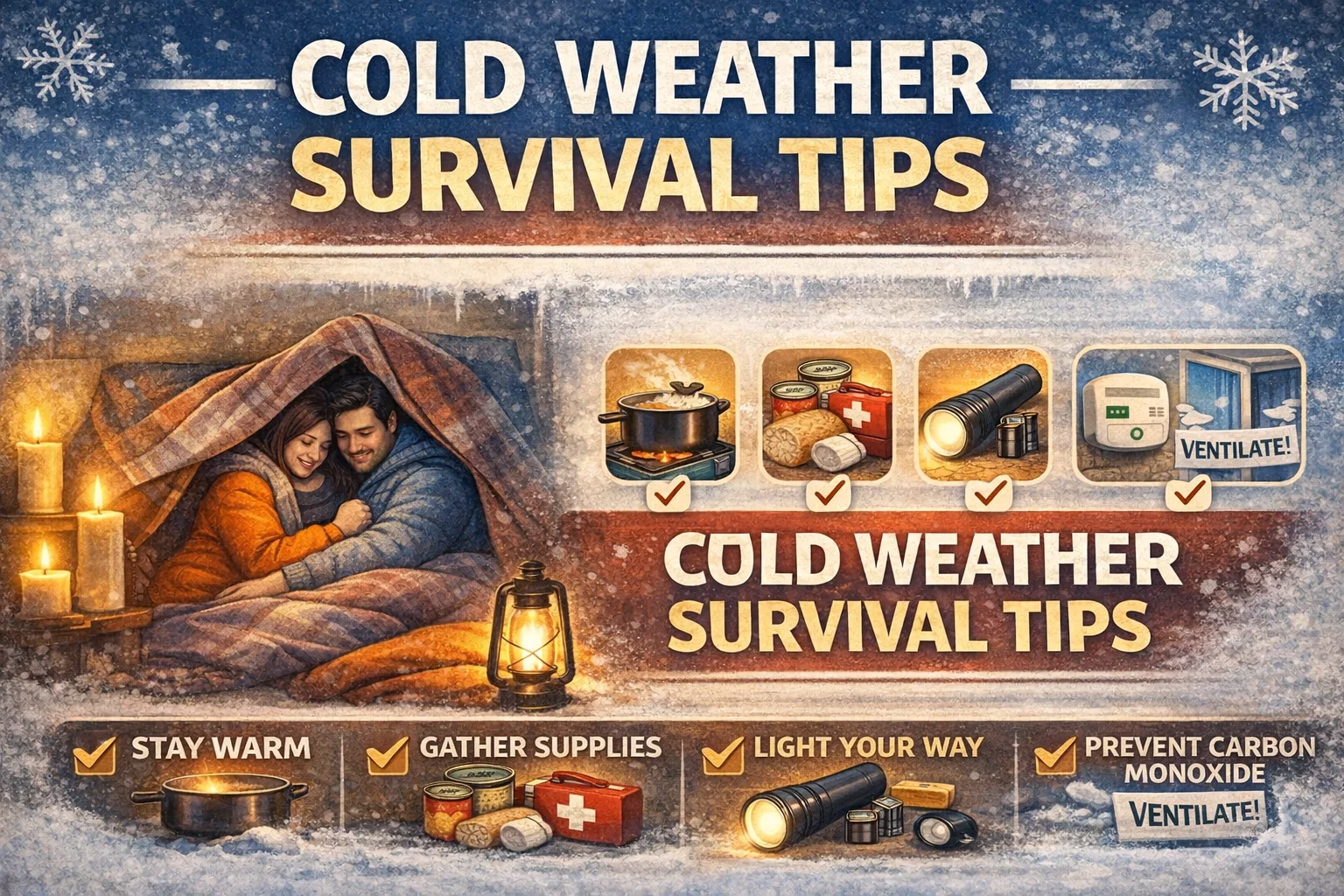
Cold Weather Survival Guide Winter Power Outage Tips Emergency Preparedness Essentials
When the temperature drops and the sky turns a heavy shade of gray, most of us retreat to the comfort of our heated homes. But what happens when the hum of the furnace suddenly stops and the lights flicker out? A winter power outage is more than just an inconvenience; it is a test of resilience and preparation. Whether it is a snapped power line from an ice storm or a grid failure during a deep freeze, knowing how to manage your environment can make the difference between a stressful night and a dangerous situation. This guide explores the essential strategies for cold weather survival when the grid goes offline, ensuring you and your loved ones stay warm, fed, and safe.
The Physics of Staying Warm: Insulation and Layering
In a world without central heating, your primary goal is to minimize heat loss. Heat moves from warmer objects to cooler ones, and in a freezing house, your body is the warmest thing in the room. To combat this, you must master the art of trapping air. Still air is one of the best insulators available, which is why layering is so effective.
The Triple Layer Rule for Clothing
When you are dressing for an indoor survival scenario, think in threes. The base layer should be a moisture-wicking material like polyester or merino wool to keep sweat away from your skin. The middle layer is your insulation, such as a thick fleece or a down sweater, which traps your body heat. Finally, the outer layer should be a windbreaker or a heavy coat to prevent any stray drafts from stealing that warmth. Avoid cotton at all costs, as it absorbs moisture and will actually make you colder if it gets damp.
Creating a Micro-Climate
Heating an entire house without electricity is nearly impossible and incredibly inefficient. Instead, focus on heating a single room or even a smaller space within that room. Many survival experts recommend setting up a camping tent in the middle of a living room. The small, enclosed space of a tent traps the body heat of those inside much more effectively than a high-ceilinged room. If you do not have a tent, use blankets and furniture to create a “fort” or a small nook where everyone can gather together.
Fortifying Your Home Against the Elements
Your home is your first line of defense, but it is likely full of “thermal leaks.” Drafts are the enemy of a warm interior. Even a tiny gap under a door can let in enough cold air to drop the room temperature by several degrees over an hour.
Sealing Windows and Doors
Walk around your designated “warm room” and feel for moving air. Use duct tape, weather stripping, or even rolled-up towels to seal the base of doors and the edges of windows. If you have clear plastic sheeting, tape it over the windows to create an extra layer of insulation. Heavy curtains should be closed to provide a thermal barrier, but if the sun is shining directly into a window during the day, open the curtains to let the natural solar heat warm the room, then shut them tight as soon as the sun goes down.
Identifying Alternative Heat Sources
If you have a wood-burning fireplace or a wood stove, you are ahead of the curve. However, many modern homes rely on gas or electric heat. If you use a gas fireplace, ensure it is rated for use during power outages and has proper venting. Never use a charcoal grill or a gas oven to heat your home, as these are major fire hazards and can lead to deadly gas buildup.
Safe Cooking and Hydration in a Crisis
Maintaining your internal temperature requires calories and hydration. Your body burns significantly more energy trying to stay warm in the cold, so skipping meals is not an option. However, cooking indoors without electricity requires extreme caution.
Using Camp Stoves and Fireplaces Safely
A portable butane or propane camp stove is a fantastic tool for boiling water or heating canned soup, but it must be used with care. Always ensure there is some form of ventilation, even if it feels counterintuitive to let a little cold air in. Only use stoves designed for indoor use if you have them; otherwise, keep the cooking near a partially cracked window or in a very large, open area. If you are using a fireplace, make sure the flue is open and the chimney is clear of obstructions before lighting a fire.
The Snow for Water Myth
It is a common misconception that you can just eat snow to stay hydrated. In a survival situation, eating cold snow will lower your core body temperature rapidly, which can lead to hypothermia. If you must use snow for water, always melt it first. Start with a small amount of liquid water in the bottom of a pot and add snow gradually. This prevents the snow from scorching and ensures a more efficient melting process. Always boil the resulting water for at least one minute to ensure it is safe for consumption.
The Silent Killer: Carbon Monoxide Awareness
One of the greatest risks during a winter power outage isn’t the cold itself, but the methods people use to fight it. Carbon monoxide (CO) is an odorless, colorless gas produced by the incomplete combustion of fuels like gas, wood, and coal. Because you cannot see or smell it, it is often called the silent killer.
Ventilation is Non-Negotiable
If you are using any fuel-burning device, whether it is a candle, a heater, or a stove, you must have a way for fresh air to enter and exhaust to leave. Symptoms of CO poisoning include headache, dizziness, weakness, nausea, and confusion. If anyone in your household starts feeling these symptoms, get everyone outside into the fresh air immediately and call for help. Having a battery-operated carbon monoxide detector is a life-saving investment for any home.
Placement of Generators
If you have a portable generator to keep some lights on or a refrigerator running, never, ever run it inside a house, garage, or basement. Even with the door open, the fumes can accumulate to lethal levels. Keep generators at least 20 feet away from the house and pointed away from windows and doors.
Essential Supplies for Your Winter Emergency Kit
Preparation is the key to staying calm during a blackout. Instead of scrambling in the dark, you should have a dedicated bin or bag ready to go at a moment’s notice.
- High-Quality Flashlights and Headlamps: Hands-free lighting is essential for performing tasks in the dark.
- Extra Batteries: Store them in a cool, dry place and check them twice a year.
- Crank or Battery-Powered Radio: This is your lifeline to the outside world for weather updates and emergency broadcasts.
- Non-Perishable Food: Stock up on canned meats, beans, dried fruit, and nuts that require little to no cooking.
- First Aid Kit: Ensure it includes any prescription medications you may need for at least a week.
- Hand Warmers: Chemical heat packs are great for tucking into boots or gloves.
The Importance of Staying Together and Informed
Survival is as much about morale and communication as it is about physical supplies. When the power goes out, the isolation can feel overwhelming, especially at night.
Sharing Body Heat
In extreme cold, huddling together is one of the most effective ways to stay warm. This is especially important for children and the elderly, who lose body heat faster than healthy adults. Sharing blankets and sitting close together allows everyone to benefit from shared thermal energy. It also provides a sense of security and comfort that helps keep panic at bay.
Monitoring Information Channels
During a major storm, cell towers may become overloaded or go down. A battery-powered or hand-crank NOAA weather radio is the most reliable way to receive updates from local authorities. Keep a list of emergency contacts written down on paper, as you may not be able to access your digital contacts if your phone dies. Try to use your phone only for essential communication to save battery life, and keep it tucked inside your clothing near your body heat, as batteries drain much faster in the cold.
Managing Sanitation and Health
If the power is out for an extended period, you might also face issues with water pressure or frozen pipes. Proper sanitation is vital to prevent illness, which can be much harder to manage in a cold, dark house.
Preventing Frozen Pipes
To prevent your plumbing from bursting, turn on faucets to a slow drip. This keeps water moving through the pipes. If you are worried about the drain freezing, you can shut off the main water valve and drain the lines entirely. Keeping cabinets under sinks open allows what little warmth is in the room to reach the pipes.
Emergency Toileting
If you cannot flush the toilet because the water is off or the sewer system is compromised, do not keep trying. You can line your toilet bowl with a heavy-duty trash bag and use kitty litter or sawdust to manage waste and odors. It is not a pleasant thought, but having a plan for sanitation prevents a bad situation from becoming a health crisis.
Conclusion: Building Resilience Before the Storm
A winter power outage is a reminder of how much we rely on the modern grid, but it doesn’t have to be a catastrophe. By understanding the principles of heat retention, prioritizing safety over convenience, and having a well-stocked emergency kit, you can transform a frightening event into a manageable challenge. The best time to prepare for a winter emergency is when the sun is shining and the heater is humming. Take the time now to seal those drafts, check your flashlight batteries, and talk to your family about your survival plan. Stay safe, stay warm, and remember that being prepared is the best way to keep the cold at bay.
Would you like me to create a checklist of specific non-perishable food items or a guide on how to safely store fuel for winter generators?