Core Lower Abs Workout 4 Best Exercises for a Stronger Core Flat Tummy
Building a strong, functional midsection is about much more than just aesthetics. While a defined set of abdominals is a common fitness goal, the real value lies in the stability, power, and spinal protection that a robust core provides. If you have been struggling to target that stubborn lower abdominal area, you are not alone. Many traditional crunches focus heavily on the upper abs, leaving the lower region under-stimulated. The workout routine captured in our latest guide is designed to bridge that gap using four high-impact movements that prioritize tension and control.
Understanding the Lower Abdominal Region
To train effectively, it is helpful to understand the anatomy of what we often call the lower abs. Technically, your rectus abdominis is one long muscle extending from the pubic bone to the lower ribs. However, you can emphasize different sections of this muscle by changing the point of origin for the movement. Exercises that involve moving the legs toward the torso, rather than the chest toward the knees, tend to recruit the lower fibers of the rectus abdominis and the deep transverse abdominis more effectively.
The Role of the Transverse Abdominis
Often referred to as the body’s natural corset, the transverse abdominis sits deep beneath the visible six-pack muscles. Its primary job is to stabilize the spine and compress the abdominal wall. When you perform the leg lifts and holds shown in the visual guide, this deep layer is forced to engage to prevent your lower back from arching. Mastering this engagement is the secret to a flat, powerful stomach and a pain-free back.
Breakdown of the 4 Powerful Core Moves
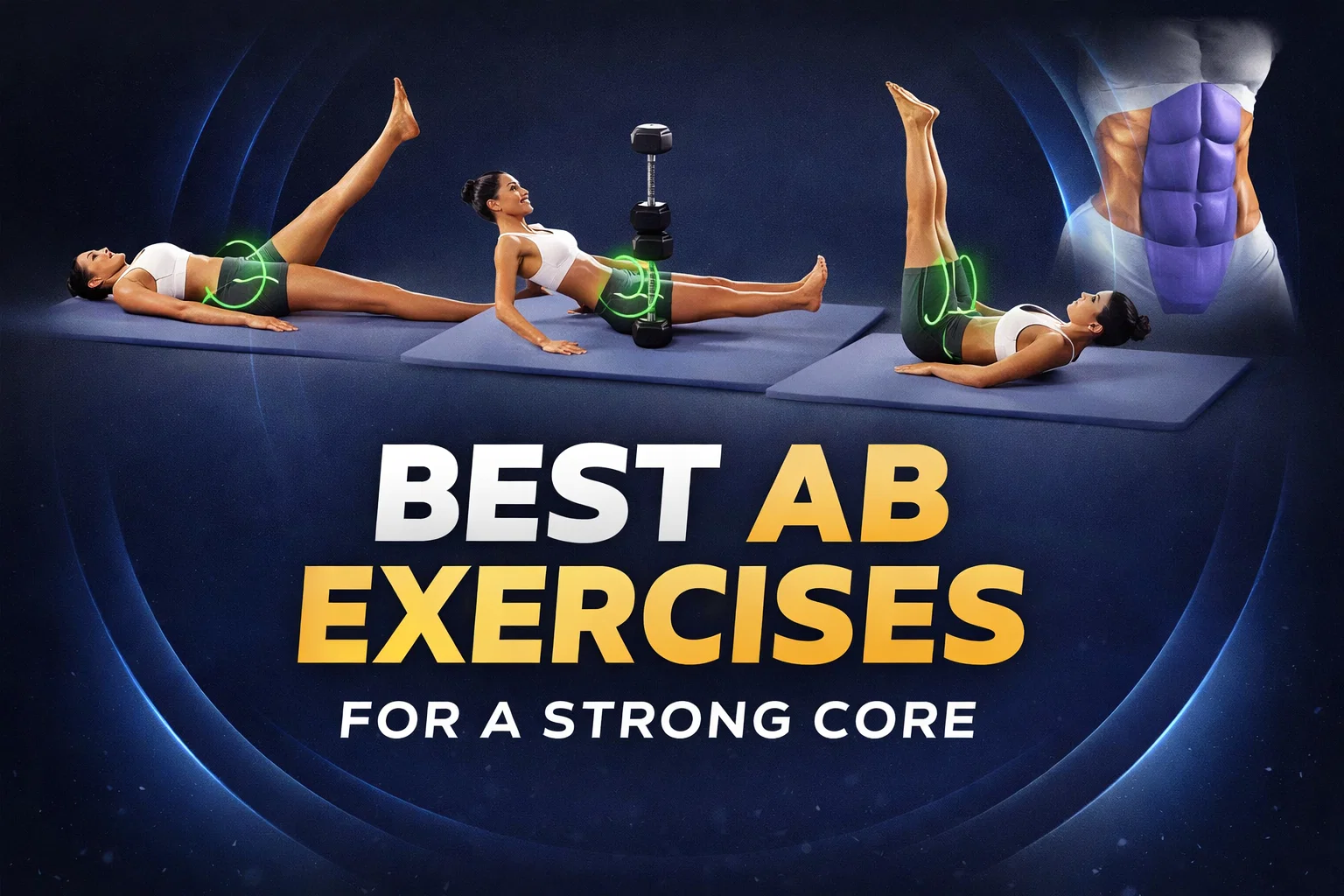
The workout featured in the image is structured around high-repetition sets designed to induce a metabolic burn while challenging muscle endurance. Let’s dive into the specifics of each movement to ensure you are getting the most out of every single rep.
1. Alternating Single Leg Lifts
The first move in the sequence is the alternating leg lift. This is a fantastic entry-point exercise because it allows you to focus on pelvic stability without the overwhelming weight of both legs moving at once. By keeping one leg extended on the floor while the other rises, you create a lever that tests your ability to keep your spine neutral.
- How to do it: Lie flat on your back with your hands by your sides or under your glutes for extra support. Raise one leg toward the ceiling while keeping it straight, then lower it slowly back to the starting position before switching sides.
- The Benefit: This movement improves hip flexor flexibility while teaching the lower abs to stay engaged under shifting loads.
2. Weighted Seated Knee-Ins
Adding resistance is the fastest way to progress your core strength. In the second panel, we see the use of a dumbbell held between the feet. This added weight increases the gravitational pull, forcing the lower abs to work significantly harder during the contraction phase.
- How to do it: Sit on the mat, leaning back slightly onto your elbows for support. Grip a light dumbbell between your arches. Extend your legs out straight, then pull your knees toward your chest, squeezing your midsection at the top of the move.
- Pro Tip: Do not rush the extension. The slower you go on the way out, the more time your muscles spend under tension.
3. Vertical Leg Press and Reach
The third movement targets the upper and lower abdominals simultaneously by creating a vertical line of tension. By keeping the legs static in the air, the lower abs must work isometrically to hold the weight of the limbs, while the upper abs drive the movement through the crunch.
- The Focus: You are aiming for a 3×15 rep scheme here. The goal is to lift your tailbone slightly off the floor as you reach, which creates that deep “tuck” sensation in the lower abdominal wall.
4. The Low-Impact Frog Tuck
The final move is a functional powerhouse. It mimics a mountain climber or a burpee but removes the impact, focusing entirely on the “tuck” motion. By supporting your weight on your hands and jumping or stepping the feet inward, you engage the entire core, including the obliques and serratus anterior.
The Importance of the 3×15 Repetition Range
You will notice the guide suggests a 3×15 structure for each exercise. This is not a random number. Performing three sets of fifteen repetitions sits right in the sweet spot for hypertrophy and muscular endurance. It provides enough volume to fatigue the muscle fibers without causing the form to break down. If you find that fifteen reps are too easy, focus on slowing down the tempo rather than just adding more reps. A three-second descent on a leg lift will feel much harder than five quick bounces.
Common Mistakes to Avoid
Even the best exercises won’t yield results if your form is lacking. To avoid injury and see the best aesthetic and functional results, keep an eye out for these common pitfalls.
Arching the Lower Back
This is the most frequent error in lower ab training. When your abs fatigue, your hip flexors take over and pull on your spine, causing your lower back to lift off the mat. If you feel a “pinch” or strain in your back, stop immediately. Reset by pushing your belly button into the floor and reduce the range of motion of your legs until your strength improves.
Holding Your Breath
Many people instinctively hold their breath when things get difficult. This increases internal pressure but actually prevents deep muscle engagement. Try to coordinate your breath with the movement: exhale during the “work” (the lift or the tuck) and inhale during the “reset.” This rhythmic breathing helps stabilize the core from the inside out.
Optimizing Your Results with Nutrition and Recovery
While these 4 powerful moves will certainly strengthen the muscles, seeing the definition requires a holistic approach. You have likely heard the phrase that abs are made in the kitchen. While they are built through hard work like the exercises shown in the image, they are revealed through a consistent, nutrient-dense diet.
The Power of Protein and Hydration
To repair the muscle fibers you stress during your 3×15 sets, you need adequate protein intake. Aim for lean sources like chicken, fish, beans, or tofu. Additionally, staying hydrated ensures your muscles function at peak capacity and helps reduce the bloating that can sometimes hide your hard-earned progress.
Give Your Muscles Time to Rest
It is tempting to train your abs every single day, but like any other muscle group, they need recovery time to grow stronger. Aim to perform this specific lower ab burner three to four times a week, allowing at least 24 hours of rest between sessions. During your off days, focus on light cardio or mobility work to keep the blood flowing.
Integrating This Routine Into Your Life
The beauty of this workout is its versatility. You do not need a fancy gym membership or expensive equipment to get started. A simple mat and a single dumbbell (or even a heavy water bottle) are all you need to transform your living room into a high-performance training zone.
Create a Consistent Schedule
Consistency beats intensity every time. Instead of doing a marathon ab session once every two weeks, commit to these four moves consistently. Set a reminder on your phone or pair the workout with a daily habit, like watching the evening news or listening to your favorite podcast. Small, daily wins lead to massive long-term transformations.
Final Thoughts on Building a Resilient Core
Strengthening your core and lower abs is a journey that pays dividends in every area of your life. From better posture at your desk to increased power in your favorite sports, a strong midsection is the literal center of your physical well-being. The four moves outlined in our visual guide provide a clear, actionable path toward that goal.
Remember to listen to your body, prioritize quality of movement over quantity of reps, and stay patient with the process. Real change takes time, but with the right tools and a bit of dedication, you will feel the difference in your strength and stability sooner than you think. Start your first set of 15 today and feel the burn!