Daily Mood Tracker Bullet Journal Idea for Mental Wellness Self Care
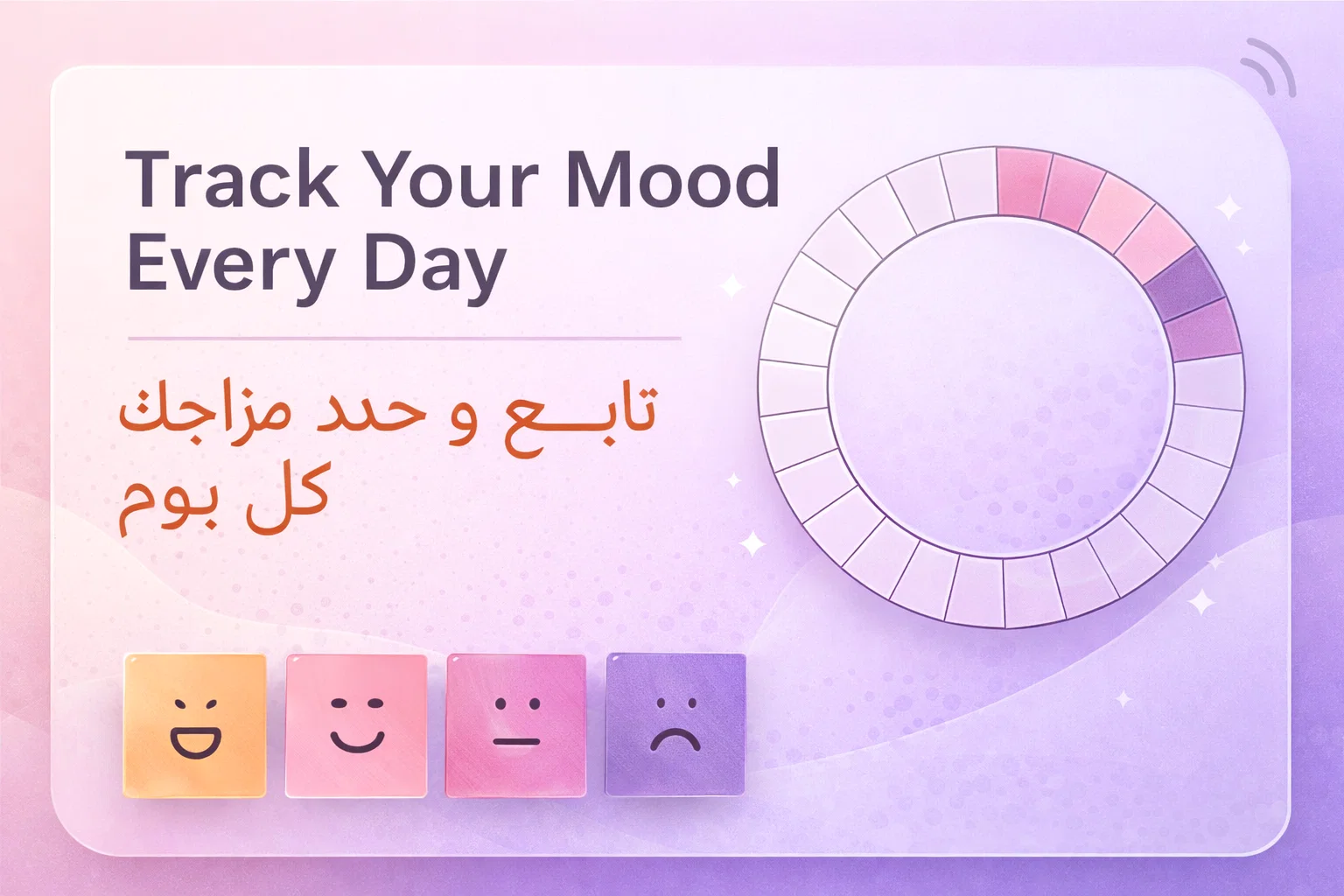
Exploring the world of bullet journaling often leads to one of the most transformative tools in the planner community: the mood tracker. While many people start a journal to keep track of their to-do lists or appointments, the emotional aspect of daily life is frequently overlooked. A visual mood tracker, like the circular design shown in the image, offers a unique opportunity to pause, reflect, and document your internal landscape. This practice goes beyond simple record-keeping; it is a gateway to better mental health and a deeper understanding of your personal patterns.
The Power of Visualizing Your Emotions
Human beings are naturally visual creatures. We process images and colors much faster than rows of text. This is why a mood tracker is so effective. Instead of scrolling through weeks of written entries to understand how you have been feeling, a single glance at a completed circular tracker reveals the overall temperature of your month. When you see a sea of vibrant, happy colors, it reinforces positive memories. Conversely, seeing a cluster of more somber tones can be the signal you need to slow down, practice extra self-care, or perhaps reach out for support.
The beauty of the circular design is its cyclical nature. Life does not happen in a straight line, and neither do our emotions. By mapping your days around a center point, you emphasize the idea that every day is a new start and part of a larger, evolving journey. It removes the pressure of “good” or “bad” days and replaces it with data and insight.
How to Set Up Your Circular Mood Tracker
Creating a tracker like the one in the image is simpler than it looks, even if you do not consider yourself an artist. The structure is based on a series of concentric circles divided into segments representing each day of the month. Here is a step-by-step guide to getting started:
- Gather Your Tools: You will need a dot grid journal, a compass or a circular object to trace, a ruler, and a fine-liner pen.
- Draw the Base: Create two circles, one inside the other. The space between these two lines will be where you add your colors.
- Divide by Days: Use your ruler to divide the circle into 30 or 31 segments. Numbering them on the outside helps you stay organized throughout the month.
- Create Your Legend: At the bottom of the page, define your color code. Assign a specific color or shade to different emotional states, such as happy, neutral, tired, or stressed.
Choosing Your Emotional Categories
The categories you choose to track are entirely personal. Some people prefer a simple four-point scale, while others like to get specific with emotions like “productive,” “anxious,” “grateful,” or “inspired.” The key is to choose categories that feel relevant to your current life stage. If you are focusing on overcoming burnout, your categories might lean more toward energy levels. If you are working on mindfulness, you might focus more on presence and peace.
Connecting Mood Tracking to Mental Wellness
In the hustle of modern life, it is incredibly easy to lose touch with how we actually feel. We often operate on autopilot, moving from one task to the next without checking in with ourselves. Incorporating a mood tracker into your daily routine forces a moment of mindfulness. It requires you to sit down at the end of the day, reflect on your experiences, and make a conscious decision about which color represents your day.
This simple act of naming an emotion is a powerful psychological tool. It is often referred to as “name it to tame it.” By identifying that you felt “frustrated” rather than just “bad,” you take the first step toward understanding why that frustration occurred and how you can manage it in the future.
Identifying Patterns and Triggers
The real magic happens after two or three months of consistent tracking. You might start to notice that your mood consistently dips on Tuesdays or that you feel particularly energized following a weekend spent outdoors. These patterns are invaluable pieces of information. You can use this data to adjust your schedule, set better boundaries, or prioritize activities that clearly boost your well-being.
Tips for Staying Consistent with Your Journal
Consistency is often the biggest challenge with any new habit. If you miss a day, do not let it discourage you. The goal is progress, not perfection. Here are a few ways to make sure your mood tracker actually gets filled out:
- Pair it with an existing habit: Fill out your tracker right after you brush your teeth at night or while you drink your morning coffee.
- Keep your supplies handy: If your markers and journal are tucked away in a drawer, you are less likely to use them. Keep them on your nightstand or desk.
- Make it a creative outlet: Use the time you spend coloring in your tracker as a form of meditation. Focus on the movement of the pen and the vibrancy of the ink.
Customizing Your Tracker for Different Months
While the circular design is a classic, you can change the aesthetic every month to keep things fresh. In October, your tracker could look like a pumpkin with numbered segments. In December, it could be a series of ornaments. This creative flexibility is what makes bullet journaling so addictive and personalized.
The Role of Color Therapy in Journaling
The colors you choose for your tracker can also influence your mindset. Using soft blues and greens can create a sense of calm as you review your month, while bright yellows and oranges can provide a boost of energy. When you look back at your completed pages, you are essentially looking at a map of your subconscious choices and reactions to the world around you.
Integrating Other Wellness Habits
A mood tracker works best when it is part of a larger wellness ecosystem. Many people find success by placing their mood tracker next to a habit tracker. This allows you to see if there is a direct correlation between your habits and your emotions. For example, you might see that on days you exercise and drink enough water, your mood is consistently higher. This visual evidence is often more motivating than any health advice you might read in a book.
Adding a “Why” Column
If you have extra space on your page, consider adding a small section for notes. A single sentence explaining the “why” behind a specific mood can provide context months later. Noting things like “big project at work” or “great dinner with friends” turns your tracker into a condensed diary of your life’s highlights and hurdles.
Final Thoughts on Mindful Journaling
Embracing a mood tracker is a beautiful way to honor your emotional journey. It provides a safe space for honesty and a creative outlet for reflection. Whether you are using it to manage stress, improve your mental health, or simply to add a splash of color to your day, the benefits are profound. By making your feelings visible, you take control of your narrative and move toward a more intentional and self-aware life.
Remember that your journal is for your eyes only. There is no right or wrong way to feel, and there is certainly no right or wrong way to color in your circle. The most important thing is that you showed up for yourself. Start your tracker today and begin the rewarding process of discovering the colors of your own life.