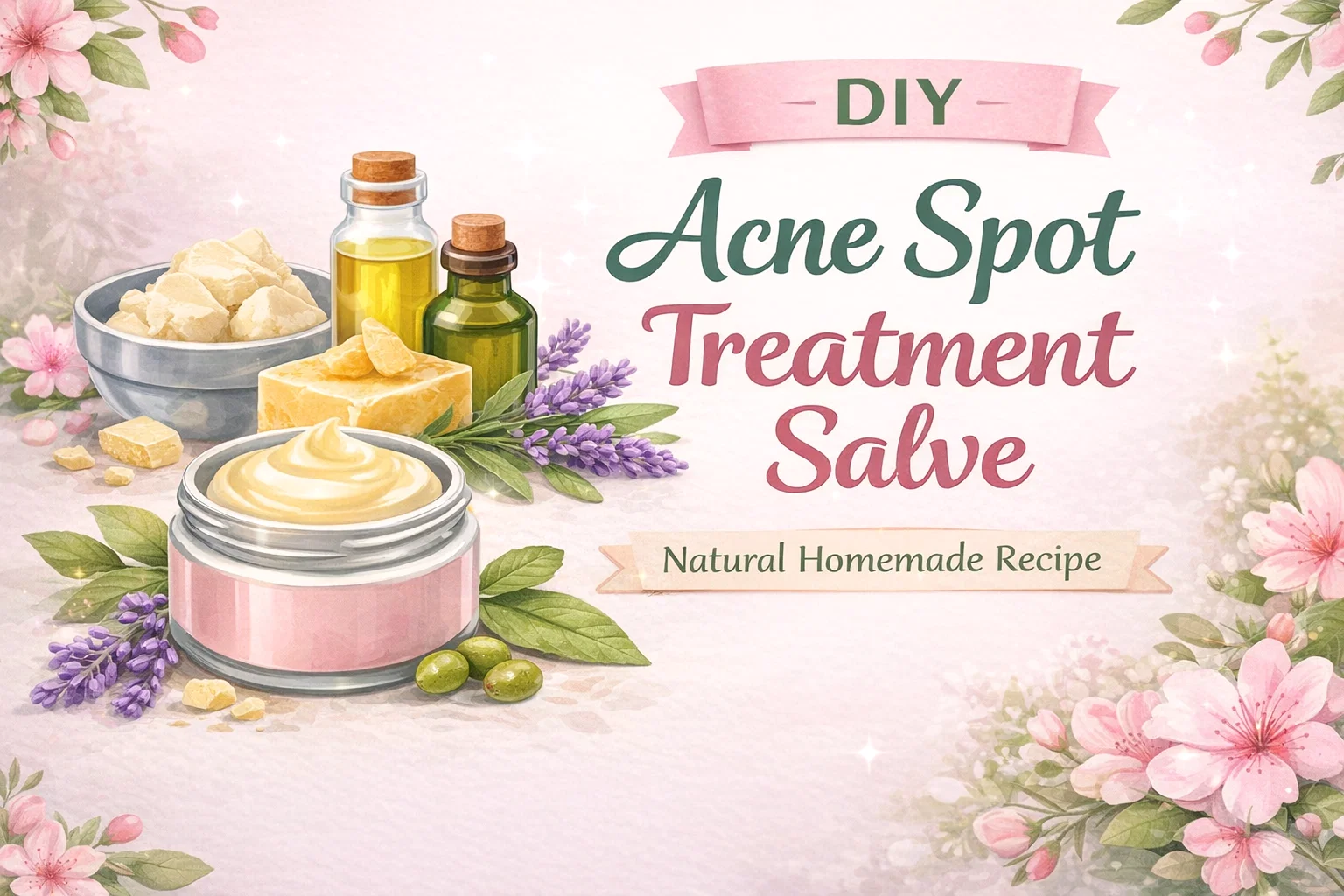
DIY Acne Spot Treatment Salve Recipe Natural Clear Skin Remedy with Shea Tea Tree Oil
Finding a natural solution for stubborn breakouts can feel like an endless search through aisles of chemical-laden products. Many over-the-counter treatments are effective at drying out a blemish, but they often leave the surrounding skin red, flaky, and irritated. If you have been looking for a way to balance powerful antibacterial properties with deep, soothing nourishment, creating your own Acne Spot Treatment Salve is the perfect DIY project for your skincare routine. This homemade remedy utilizes the science of plant-based oils and butters to target inflammation while keeping your skin barrier intact.
The Magic of a Natural Acne Salve
Most people view acne as something that needs to be scrubbed away or dried out with harsh alcohols. However, the skin is an organ that thrives on balance. When you strip away all your natural oils, your skin overcompensates by producing even more sebum, which can lead to a vicious cycle of more breakouts. A salve, which is a semi-solid ointment made from oils and wax, provides a protective layer that allows active ingredients to penetrate deep into the pore without evaporating or causing surface dehydration. By using ingredients like shea butter and jojoba oil, you are providing your skin with the lipids it needs to heal itself while the essential oils go to work on the bacteria.
Breaking Down the Ingredients
The beauty of the Lilyflower Spa and Personal Care recipe lies in its simplicity and the specific purpose of every single component. Let us take a closer look at what makes this salve so effective for maintaining a clear complexion.
The Nourishing Base: Shea Butter and Beeswax
Shea butter is the superstar of this recipe. It is non-comedogenic, meaning it won’t clog your pores, and it is packed with vitamins A and E. These vitamins are essential for skin cell regeneration, which helps to fade those pesky post-acne marks. Beeswax acts as the hardening agent, giving the salve its consistency, but it also provides a breathable barrier that protects the skin from environmental pollutants while locking in the healing oils.
The Balancing Act: Jojoba Oil
Jojoba oil is technically a liquid wax ester that closely mimics the human skins natural sebum. When you apply jojoba oil, your skin is essentially tricked into thinking it has produced enough oil, which can help regulate your natural oil production over time. It is the perfect carrier oil for an acne treatment because it is lightweight and absorbs quickly without a greasy residue.
The Powerhouse Actives: Tea Tree and Lavender
Tea tree oil is perhaps the most famous natural acne fighter in the world. It contains terpinen-4-ol, a compound that has been shown to kill certain bacteria, viruses, and fungi. It is a natural antiseptic that gets right to the root of the infection. Lavender oil complements this perfectly by soothing the redness and swelling that usually accompanies a breakout. Together, they create a scent that is both therapeutic and medicinal.
The Secret Weapon: Neem Oil
While the recipe lists it as optional, neem oil is a game changer for chronic acne. Used for centuries in Ayurvedic medicine, neem is incredibly potent. It contains quercetin, which is an antioxidant that helps reduce scarring and keeps the skin smooth. Just a few drops can significantly boost the effectiveness of your salve.
Step by Step: How to Make Your Salve
Creating this treatment at home is a straightforward process that feels like a calming kitchen chemistry experiment. Follow these steps to ensure a smooth, professional-grade consistency.
- Step 1: The Melt Phase. Use a double boiler to gently melt 2 tablespoons of shea butter and 1 tablespoon of beeswax. Using a double boiler is crucial because direct heat can degrade the beneficial properties of the shea butter.
- Step 2: Incorporate the Carrier. Once the mixture is liquid, stir in 1 tablespoon of jojoba oil. Mix thoroughly to ensure the oils are fully integrated.
- Step 3: The Cooling Window. Remove the mixture from the heat and let it sit for a minute or two. You want it to be liquid but not boiling hot. Adding essential oils to a boiling liquid can cause them to flash off, losing their potency.
- Step 4: Add the Actives. Stir in 5 drops of tea tree oil, 3 drops of lavender oil, and 1 teaspoon of neem oil if you are using it.
- Step 5: Set and Store. Pour the liquid into a clean glass jar or a small tin. Let it sit undisturbed at room temperature until it firms up into a beautiful, creamy salve.
The Pro Version: Adding Zinc Oxide
If you find that your skin needs a little extra help with oil control, the optional stronger version of this recipe includes 1/8 teaspoon of Zinc Oxide. Zinc is a mineral that provides incredible drying power for whiteheads and oily zones. It also acts as a skin protectant, often found in mineral sunscreens and diaper creams because of its ability to calm intense irritation. Adding this turns your salve into a high-powered overnight mask for specific spots that just wont go away.
How to Integrate the Salve Into Your Routine
To get the best results, consistency is key. This salve is designed to be used as a targeted treatment rather than an all-over face moisturizer. Use a clean finger or a cotton swab to dab a small amount directly onto the blemish. It is best used after you have cleansed and toned your face but before you apply any heavy night creams.
Since this recipe contains essential oils, it is highly recommended to perform a patch test on your inner arm before applying it to your face. This ensures that your skin reacts well to the concentrations used in the recipe. Additionally, because some of these oils can make your skin more sensitive to the sun, always wear a high-quality sunscreen during the day while using this treatment.
Essential Safety Tips for DIY Skincare
While natural ingredients are wonderful, they are also powerful. Here are a few things to keep in mind while using your new salve:
- Avoid Broken Skin: Never apply essential oils or active treatments to skin that is raw, bleeding, or excessively compromised. Let the skin heal slightly before treating the underlying pore.
- Shelf Life: Because this recipe does not contain water, it has a decent shelf life of about 6 to 9 months. Keep it in a cool, dark place to prevent the oils from going rancid.
- Don’t Pick: It is tempting to squeeze a blemish, but that only pushes bacteria deeper and causes scarring. Apply your salve and let the ingredients do the work for you.
Why DIY is the Future of Beauty
When you make your own skincare, you take back control. You know exactly what is going into your products, and you can skip the synthetic fragrances and preservatives that often cause more problems than they solve. The Lilyflower Acne Spot Treatment Salve is more than just a recipe; it is a step toward a more conscious and sustainable way of caring for your body. Plus, making a batch for yourself usually leaves you with enough to share with friends or family who are also struggling with skin issues.
Conclusion: Your Path to Clearer Skin
Achieving clear skin does not have to involve expensive visits to the dermatologist or high-end luxury products. Sometimes, the most effective remedies are the ones we craft with our own hands using the gifts of nature. By combining the antibacterial strength of tea tree oil with the soothing embrace of shea butter, you are giving your skin a fighting chance to heal naturally. This salve is a testament to the fact that gentle, consistent care beats harsh intervention every time. Give this recipe a try, stay patient with your skin, and enjoy the glow that comes from using pure, wholesome ingredients. Your journey to a blemish-free complexion starts right in your kitchen.