DIY Alcohol-Free Herbal Mouthwash Recipe for Healthy Gums Fresh Breath
Have you ever looked at the back of a standard bottle of mouthwash and wondered why it contains more chemicals than a high school science lab? Many of us are diligent about buying organic produce and using natural skincare, yet we continue to rinse our mouths with synthetic dyes and harsh alcohols that leave our gums stinging. If you are looking for a way to freshen your breath while actually nourishing your oral microbiome, it is time to look toward the power of botanical infusions. This DIY Herbal Mouthwash is a game changer for anyone seeking a gentle, effective, and completely natural alternative to commercial products.
The Shift Toward Holistic Oral Care
Oral health is often the most overlooked aspect of a holistic wellness routine. We tend to view the mouth as a separate entity from the rest of the body, but in reality, it is the gateway to our overall health. Traditional mouthwashes often rely on alcohol to kill bacteria, but this “scorched earth” approach can be counterproductive. Alcohol dries out the oral tissues and kills the beneficial bacteria along with the bad ones, potentially leading to chronic bad breath and increased sensitivity over time.
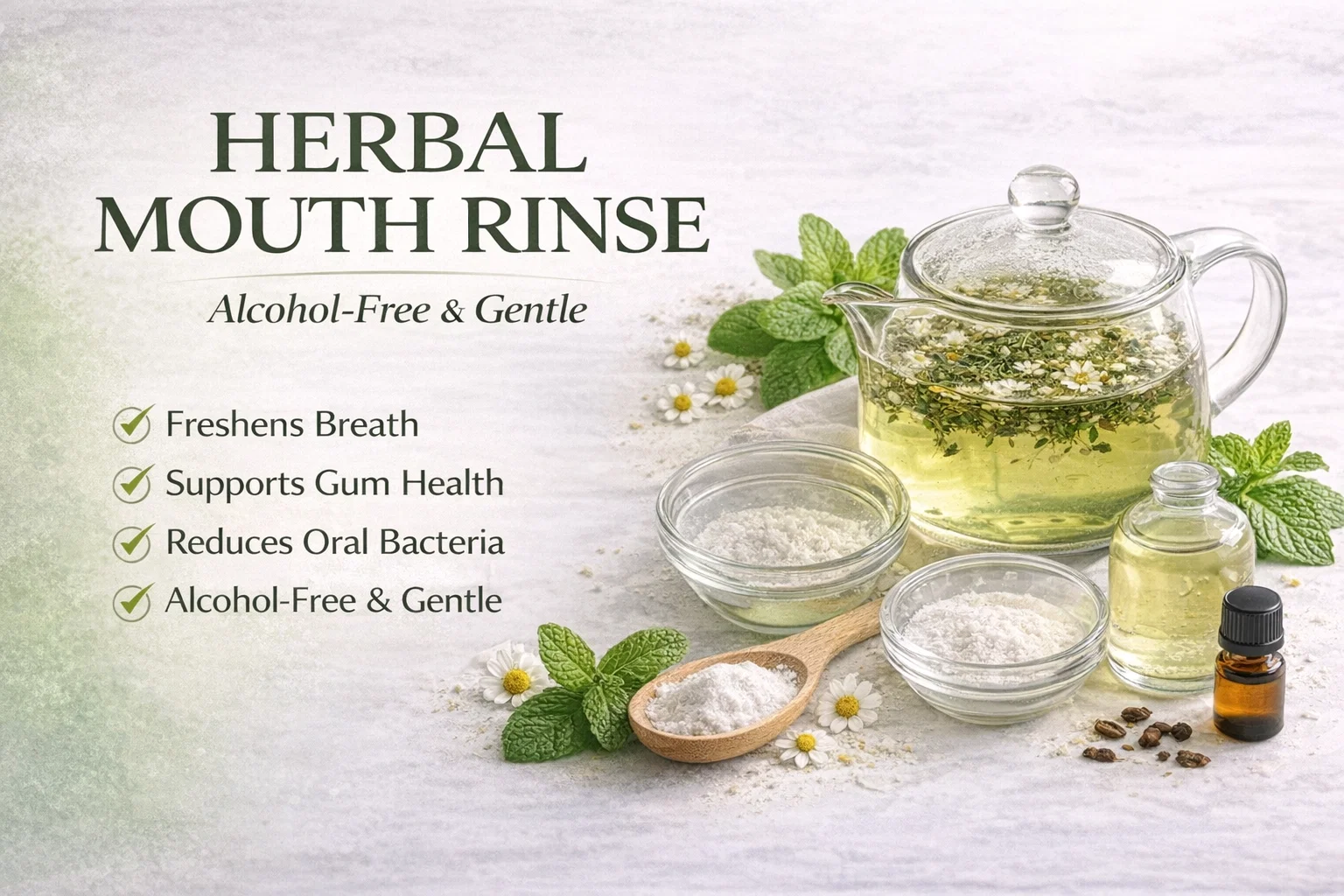
By using herbal bases and functional actives like baking soda and vegetable glycerin, you are not just masking odors. You are creating an environment where your gums can thrive. This recipe uses the synergy of peppermint, chamomile, and clove to provide antimicrobial benefits while remaining gentle enough for daily use. Plus, there is a certain level of satisfaction that comes from knowing exactly what is in your medicine cabinet.
Breaking Down the Botanical Ingredients
Every ingredient in this herbal rinse serves a specific purpose. When you brew these herbs together, you are extracting volatile oils and tannins that provide real therapeutic value. Let’s take a closer look at the stars of this recipe.
Peppermint Leaves for Instant Freshness
Peppermint is the gold standard for oral care for a reason. Beyond its invigorating scent, peppermint contains menthol, which provides a cooling sensation that can soothe minor gum irritations. It is also naturally antibacterial, helping to keep the breath clean throughout the day without the need for artificial flavorings.
Chamomile Flowers for Calming Sensitivity
If you struggle with sensitive gums or occasional inflammation, chamomile is your best friend. Known primarily as a relaxing tea, chamomile is a potent anti-inflammatory agent. In a mouthwash, it helps to reduce redness and puffiness in the gum line, making it ideal for those who find traditional rinses too aggressive.
Clove Buds for Maximum Protection
Clove has been used in dental medicine for centuries. It contains eugenol, a compound that acts as a natural anesthetic and antiseptic. Including even a small amount of clove buds in your infusion adds a layer of protection against the bacteria that cause tooth decay and gum discomfort.
The Role of Functional Actives
While the herbs provide the flavor and soothing properties, the functional actives do the heavy lifting when it comes to cleaning and texture. This recipe includes two key components that elevate it from a simple tea to a professional-grade mouth rinse.
- Baking Soda (Sodium Bicarbonate): This is a mild alkaline agent that helps to neutralize the acids in your mouth. Since bacteria thrive in acidic environments, raising the pH level helps to prevent enamel erosion and keeps your breath fresher for longer.
- Vegetable Glycerin: This ingredient acts as a humectant and a mild preservative. It gives the mouthwash a slightly “silky” mouthfeel, similar to commercial brands, and helps to keep the herbal extracts suspended in the water. It also adds a hint of sweetness without using sugar or artificial sweeteners.
Step-by-Step Guide to Crafting Your Rinse
Making your own mouthwash at home is a simple process that feels like a modern form of alchemy. Following these steps ensures that you get the most potent extraction from your herbs while maintaining a safe and stable product.
1. The Perfect Infusion
Start by bringing 200 ml of distilled water to a gentle boil. Distilled water is crucial here because it is free of minerals and contaminants that could cause the mixture to spoil faster. Once boiling, add your peppermint, chamomile, and clove. Turn off the heat and let the herbs steep. This allows the water to absorb the medicinal properties without boiling away the delicate volatile oils.
2. Straining and Cooling
After about 10 to 15 minutes of steeping, strain the herbs using a fine-mesh strainer or a piece of cheesecloth. It is important to remove all plant particles to ensure a smooth rinse. Let the liquid cool down to room temperature before moving on to the next step. Adding actives to hot liquid can sometimes change their effectiveness.
3. Activating the Formula
Once cool, stir in your baking soda and vegetable glycerin. You will want to whisk or stir until the baking soda is completely dissolved. At this stage, you can also add optional enhancements like food-grade aloe vera juice for extra gum support or a few drops of peppermint essential oil if you prefer an extra-strong “zing.”
Shutterstock
Explore
Customizing Your Recipe for Different Needs
One of the best parts about DIY beauty and wellness is the ability to tailor products to your specific needs. This recipe is highly adaptable. For example, if you are making this for a child (over the age of 6), you might want to omit the clove and essential oils for a much milder flavor. If you are dealing with a specific issue like mouth sores, increasing the aloe vera content can provide a protective, coating effect that speeds up the healing process.
For those who want a long-lasting product, adding a small amount of natural preservatives like Sodium Benzoate and Potassium Sorbate can extend the shelf life from one week to three months. This is especially helpful if you want to make a larger batch to store in your bathroom cabinet rather than keeping a small bottle in the refrigerator.
Safety and Storage Tips
Because this recipe is water-based and contains no alcohol, it is more susceptible to bacterial growth than store-bought versions. If you choose not to use a preservative, you must treat this mouthwash like a fresh juice. Keep it in a glass bottle in the refrigerator and use it within seven days. Always do a patch test with any new essential oils to ensure you don’t have a sensitivity to them.
It is also important to remember that while these ingredients are natural, they are not meant to be swallowed. Peppermint and clove are powerful, and baking soda should not be ingested in large quantities. Teach children to swish and spit thoroughly to ensure they are using the product safely.
Why Natural Oral Care Matters
In the long run, switching to an herbal mouth rinse is about more than just avoiding chemicals. It is about reconnecting with the healing power of plants and taking control of your daily habits. When we simplify our routines and use ingredients that come from the earth, we often find that our bodies respond with better health and less irritation. This mouthwash is a small, easy step you can take toward a more sustainable and health-conscious lifestyle.
Your mouth will feel cleaner, your gums will feel more comfortable, and you will have the peace of mind that comes with knowing your “fresh breath” isn’t coming at the cost of your health. Give this recipe a try this weekend and see how much better a natural rinse can feel.
Wrapping Up Your DIY Journey
Creating your own Herbal Mouth Rinse is an empowering way to upgrade your morning routine. By combining the soothing properties of chamomile, the freshness of peppermint, and the protective nature of clove, you are giving your mouth a treatment that is both effective and incredibly gentle. Whether you are looking to save money, reduce plastic waste, or simply avoid synthetic ingredients, this recipe is a perfect starting point. Remember to store it properly, customize it to your liking, and enjoy the botanical boost every time you brush. Your smile will thank you for the extra care!
Would you like me to generate some Pinterest-style photography prompts to help you capture images for this blog post?