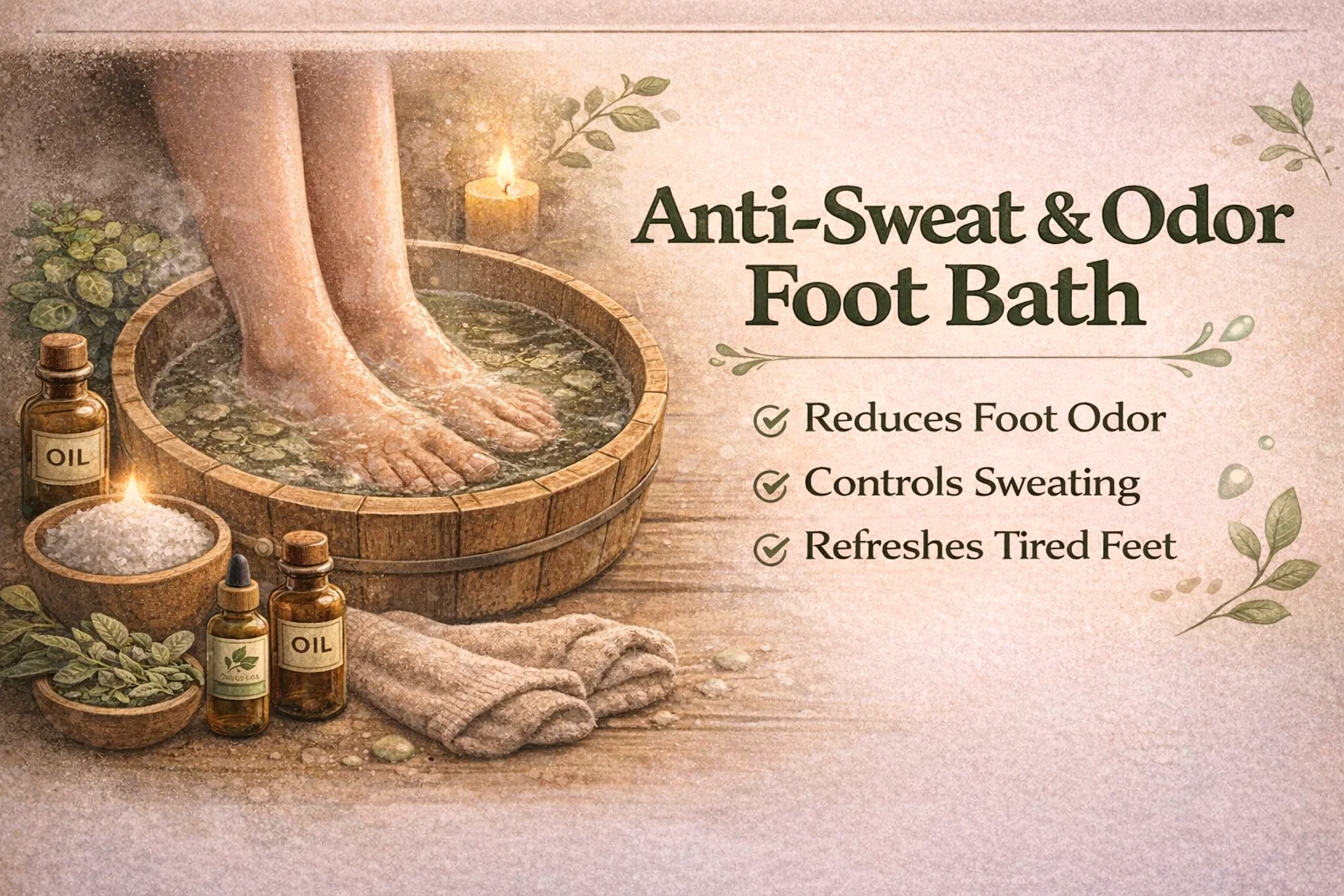
DIY Anti-Sweat Odor Foot Bath Recipe Natural Remedy for Smelly Feet Sweaty Soles
There is nothing quite like the feeling of kicking off your shoes after a long, productive day. However, for many of us, that moment of relief is quickly dampened by the realization that our feet are less than fresh. Excessive foot perspiration and the resulting odors are incredibly common issues, yet they can feel deeply personal and even embarrassing. Whether you are an athlete, someone who spends all day in heavy boots, or simply prone to sweating, finding a natural and effective solution is a top priority for your daily self-care routine. The good news is that you do not need expensive chemical sprays or clinical treatments to regain your confidence. Nature has already provided a powerful toolkit for refreshing your soles.
The Anti-Sweat and Odor Foot Bath featured in our latest guide is more than just a relaxing soak; it is a targeted treatment designed to address the root causes of foot discomfort. By combining mineral salts, neutralizing agents, and potent botanical oils, this recipe creates an environment where bacteria struggle to thrive while your skin gets the chance to breathe and recover. In this comprehensive guide, we will dive deep into why these specific ingredients work, how to master the perfect soak, and how to maintain long term foot health naturally.
The Science of Sweaty Feet and Why Odor Happens
To solve the problem, we first have to understand why it happens. Our feet contain more sweat glands per inch than almost any other part of the body. Their primary job is to keep the skin moist and help regulate temperature. However, unlike our hands, our feet are often trapped inside socks and shoes for hours at a time. This creates a dark, warm, and damp environment that acts as a greenhouse for bacteria. When bacteria on the skin consume the sweat, they release byproduct gases, which is what we recognize as that unpleasant foot odor.
Hyperhidrosis, or excessive sweating, can exacerbate this cycle. When the feet produce more moisture than the air can evaporate, the skin can become macerated or soft, making it even more susceptible to bacterial and fungal growth. This is where a strategic foot bath comes into play. It does not just wash away the surface moisture; it resets the pH balance of the skin and utilizes astringent properties to temporarily refine the pores and reduce the volume of sweat produced.
Breaking Down the Ingredients: Why This Recipe Works
The beauty of this foot bath lies in its simplicity and the synergy of its components. Each ingredient has been selected for a specific therapeutic purpose. Let us look at the heavy hitters in this mixture and what they bring to the table.
Epsom Salt: The Mineral Powerhouse
Epsom salt, or magnesium sulfate, is a staple in wellness for a reason. When dissolved in warm water, it breaks down into magnesium and sulfate. Magnesium is known for its ability to reduce inflammation and relax muscles, which is why your feet feel so much lighter after a soak. From a hygiene perspective, Epsom salt acts as a gentle exfoliant, helping to remove dead skin cells that bacteria love to feed on. It also helps to draw out toxins and impurities from the pores, acting as a deep cleanser for the skin.
Baking Soda: The Ultimate Neutralizer
Baking soda, also known as sodium bicarbonate, is perhaps the most effective tool for fighting odor. Most odors are acidic in nature, and baking soda is a mild alkaline substance. By neutralizing the pH level of your feet, it effectively kills the scent at its source rather than just masking it with perfume. Additionally, baking soda has mild antifungal properties, which is excellent for those worried about common issues like athlete’s foot.
Tea Tree Oil: Nature’s Antiseptic
Tea tree oil is a powerhouse in the world of natural medicine. Derived from the Melaleuca alternifolia plant, it is famous for its antibacterial, antifungal, and antiviral properties. In a foot soak, it acts as a primary defense against the microbes that cause odor and infections. It helps to deep-clean the nail beds and the spaces between the toes where bacteria often hide. A few drops go a long way in ensuring your feet are truly sanitized.
Eucalyptus Oil: The Refreshing Cooling Agent
While tea tree oil does the heavy lifting for cleaning, eucalyptus oil provides the sensory relief. It has a natural cooling effect that feels incredible on hot, swollen feet. It also possesses antimicrobial properties that complement the tea tree oil, adding another layer of protection. The crisp, camphoraceous scent of eucalyptus is instantly refreshing and helps to eliminate any lingering musky smells.
Dried Sage Leaves: The Natural Astringent
Sage is an often overlooked ingredient in foot care, but it is highly effective. It contains tannic acid, which is a natural astringent. Astringents work by constricting the skin tissues and slightly shrinking the pores. For someone who suffers from excessive sweating, sage helps to naturally “dry out” the feet by reducing the activity of the sweat glands. It is a gentle way to manage moisture levels without using harsh aluminum-based antiperspirants.
Step by Step Guide to the Perfect Foot Soak
Creating this foot bath is simple, but following the right steps will ensure you get the maximum benefit from the ingredients. Follow this routine to transform your bathroom into a mini spa.
1. Prepare the Basin: Find a basin or a dedicated foot tub that is large enough to fit both feet comfortably. Fill it with warm water. You want the water to be comfortably hot to help open the pores and relax the muscles, but be careful not to make it scalding, as this can dry out the skin too much.
2. Add the Solids: Pour in 1/2 cup of Epsom salt and 1/4 cup of baking soda. Stir the water with your hand or a large spoon until the crystals have mostly dissolved. This ensures that the minerals are evenly distributed and ready to interact with your skin.
3. Infuse the Botanicals: Add 1 tablespoon of dried sage leaves to the water. You can let them float freely for a rustic look, or if you prefer a cleaner cleanup, you can put them in a small muslin tea bag. Finally, add 6 drops of tea tree oil and 4 drops of eucalyptus oil. Give the water one last stir to disperse the oils.
4. The Soaking Process: Submerge your feet and settle in. The ideal soaking time is 20 minutes. This gives enough time for the salts to draw out impurities and for the essential oils to penetrate the skin. Use this time to meditate, read a book, or simply close your eyes and breathe in the refreshing herbal steam.
5. Proper Drying: Once the 20 minutes are up, remove your feet and pat them dry thoroughly with a clean towel. Pay special attention to the areas between your toes. Leaving moisture between the toes is a leading cause of fungal growth, so make sure they are completely dry before putting on socks or shoes.
Pro Tips for Managing Foot Sweat and Odor
While a foot bath is a fantastic treatment, it works best when combined with good daily habits. If you want to keep the results lasting longer, consider these lifestyle adjustments.
- Choose the Right Socks: Avoid synthetic fabrics like polyester, which trap heat and moisture. Instead, opt for natural fibers like cotton, bamboo, or merino wool. These materials are breathable and help wick moisture away from the skin.
- Rotate Your Shoes: Try not to wear the same pair of shoes two days in a row. Shoes need at least 24 hours to fully air out and dry. If you wear them while they are still damp from the previous day, you are essentially stepping back into a bacterial breeding ground.
- Use Foot Powder: After your foot bath and once your feet are dry, you can apply a little bit of plain cornstarch or a dedicated foot powder. This provides an extra layer of moisture absorption throughout the day.
- Stay Hydrated: It sounds counterintuitive, but staying hydrated can actually help regulate your body temperature more efficiently, potentially reducing the need for your sweat glands to go into overdrive.
The Benefits of Making This a Weekly Ritual
Consistency is key when it comes to natural health. While you will feel immediate relief after one soak, making this a weekly or bi-weekly ritual can lead to long term improvements in skin texture and odor control. Not only will your feet stay fresher, but you are also taking a moment out of your busy schedule to practice self-care. The act of sitting still for 20 minutes and caring for your body has mental health benefits that go far beyond just hygiene.
Over time, you may notice that your skin feels softer and that calluses are easier to manage. The exfoliating properties of the salts and the softening effects of the baking soda make for a great prep for a pedicure. It is a holistic approach to foot health that addresses comfort, aesthetics, and hygiene all at once.
Conclusion: Step Forward with Confidence
Managing sweaty and odorous feet does not have to be a source of stress. By turning to the healing power of plants and minerals, you can create a highly effective treatment right in your own kitchen. This DIY Anti-Sweat and Odor Foot Bath is a testament to the fact that the best solutions are often the simplest ones. It is cost effective, easy to prepare, and incredibly rewarding.
Now that you have the recipe and the knowledge, it is time to put it into practice. Gather your ingredients, set aside some time for yourself, and give your feet the refreshing reset they deserve. You will be amazed at how much better you feel when your feet are cool, dry, and clean. Here is to stepping forward with confidence and comfort!