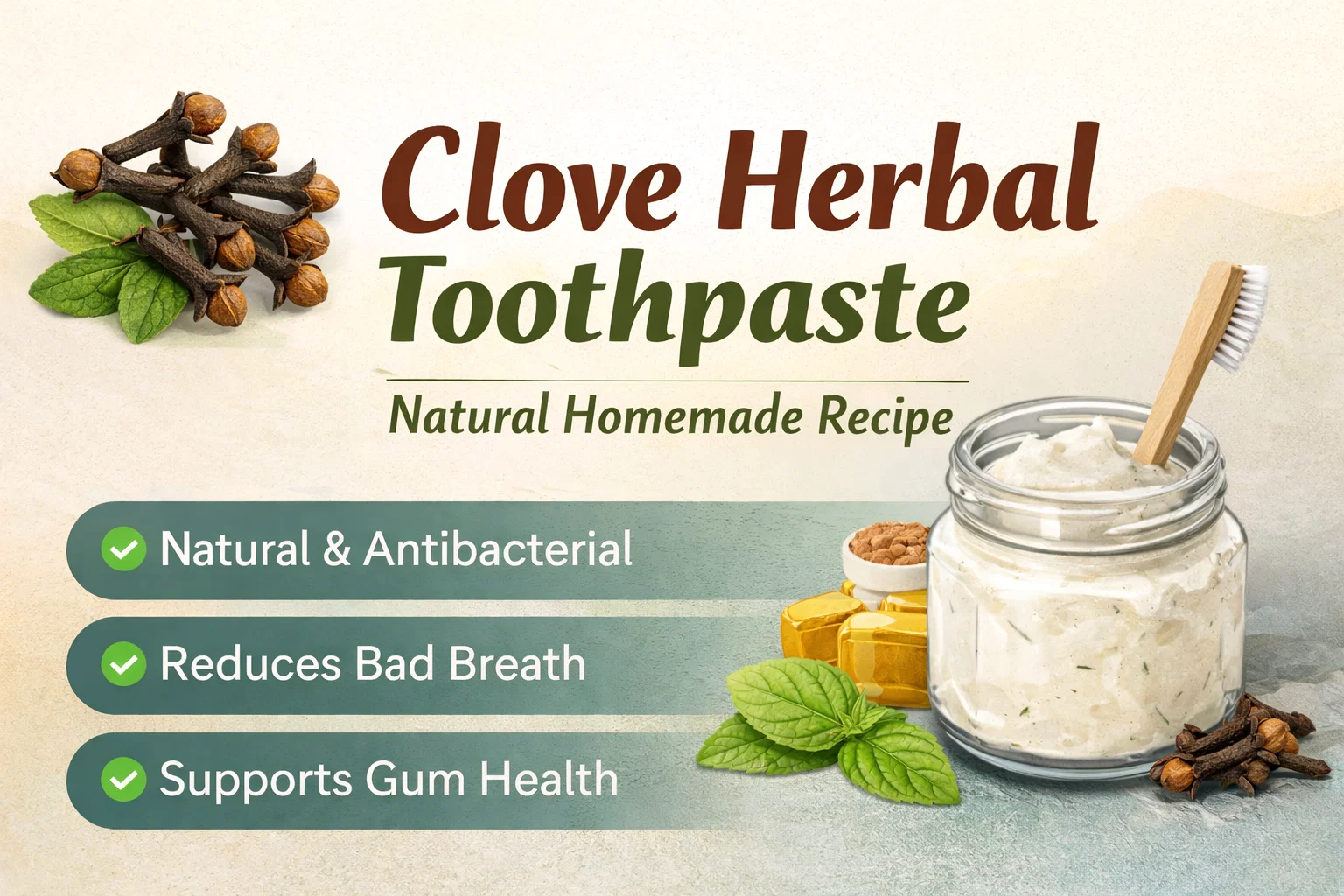
DIY Cloves Herbal Toothpaste Recipe Natural Gum Health Fresh Breath Oral Care Guide
Switching to a natural lifestyle often starts with the small things we use every single day. If you have ever looked at the back of a standard tube of toothpaste and found yourself squinting at a long list of synthetic chemicals, you are not alone. Many people are moving away from artificial sweeteners, foaming agents, and preservatives in favor of something more grounded in nature. This DIY cloves herbal toothpaste is a perfect entry point into the world of homemade personal care. It is simple to make, incredibly effective at cleaning, and brings the powerful medicinal history of cloves right to your bathroom sink.
The Ancient Power of Cloves in Oral Health
Cloves are much more than just a kitchen spice used for seasonal baking. In the world of herbalism and traditional medicine, they have been a staple for oral health for centuries. The primary reason cloves are so effective is a compound called eugenol. This natural substance acts as a potent anesthetic and antiseptic, which is why clove oil is still a go-to remedy for toothaches and gum discomfort today.
When you incorporate ground cloves or clove essential oil into your toothpaste, you are not just flavoring the paste. You are actively fighting the bacteria that cause plaque and bad breath. Cloves help to soothe inflamed gum tissue and provide a refreshing, deep clean that feels markedly different from the tingle of synthetic menthol. It is a warm, earthy sensation that leaves your mouth feeling genuinely purified rather than just masked by a chemical scent.
Breaking Down the Natural Ingredients
The beauty of making your own herbal toothpaste is that you have total control over what goes into your body. Each ingredient in this recipe serves a specific purpose, working together to clean, whiten, and protect your smile. Let’s take a closer look at what makes this mixture so effective.
Coconut Oil: The Antibacterial Base
Coconut oil serves as the foundation for this recipe. It is famous for its high concentration of lauric acid, which is known to kill harmful bacteria, fungi, and viruses. In oral care, coconut oil helps to reduce plaque buildup and can even help prevent tooth decay. Its creamy consistency also makes the toothpaste easy to apply to your brush and ensures it stays stable at room temperature.
Baking Soda: Gentle Abrasion and Whitening
Sodium bicarbonate, commonly known as baking soda, is a classic ingredient in natural oral care. It is a mild abrasive that helps to scrub away surface stains from coffee, tea, or food without damaging your tooth enamel. Additionally, baking soda is alkaline, meaning it helps to neutralize the acids in your mouth produced by bacteria, creating an environment where cavities are less likely to form.
Calcium Carbonate: Remineralizing Your Enamel
Your teeth are constantly undergoing a process of losing and gaining minerals. Calcium carbonate is an excellent addition to DIY toothpaste because it provides a source of calcium that can help support the remineralization of your enamel. It also acts as a thickener, giving your homemade paste a texture that feels more familiar to what you are used to from a commercial tube.
Xylitol or Honey: Natural Sweeteners
If the taste of baking soda is too salty for you, adding a bit of xylitol or honey can make the experience much more pleasant. Xylitol is a birch-derived sugar alcohol that actually inhibits the growth of the bacteria that cause cavities. If you prefer honey, use a high quality raw variety, as it contains its own set of antibacterial properties. This ingredient is optional but highly recommended for those who are new to the world of herbal toothpastes.
Step by Step Instructions to Make Your Herbal Paste
Creating this toothpaste at home is a quick process that only takes about five to ten minutes. You do not need any fancy equipment, just a small mixing bowl and a clean glass jar for storage. Follow these steps to ensure a smooth, well blended consistency.
- Step 1: Start by placing 2 tablespoons of room temperature coconut oil into your bowl. If your home is very cold and the oil is rock hard, you can soften it slightly, but do not melt it into a liquid, or the powders will settle at the bottom.
- Step 2: Add 1 tablespoon of baking soda and mix thoroughly until you have a smooth paste.
- Step 3: Stir in 1 teaspoon of clove powder. If you prefer a smoother texture, you can substitute this with 5 to 10 drops of clove essential oil.
- Step 4: Gradually add 2 to 3 tablespoons of calcium carbonate. Add this one tablespoon at a time until the mixture reaches your desired thickness.
- Step 5: If you want a bit of sweetness, stir in 1 teaspoon of xylitol or honey. You can also add a few drops of peppermint oil at this stage for an extra cooling effect.
- Step 6: Transfer the finished paste into a small glass jar with a tight fitting lid.
How to Use and Store Your Homemade Toothpaste
Using a DIY paste is slightly different from using a commercial one. Because this recipe does not contain sodium lauryl sulfate (SLS), it will not foam up in your mouth. This can be surprising at first, but remember that foam does not actually clean your teeth; the ingredients and the mechanical action of brushing do the work.
To use, simply use a small wooden spatula or a clean pea-sized amount on your dry toothbrush. Brush your teeth thoroughly for at least two minutes, paying close attention to the gum line. Since this recipe contains coconut oil, it is best to spit the excess into a trash can rather than the sink to avoid potential plumbing clogs over time, as the oil can solidify in pipes.
Store your jar in a cool, dry place. Because there are no water-based ingredients in this recipe, it has a shelf life of several months. However, always use a clean utensil to scoop the paste rather than dipping your toothbrush directly into the jar to prevent introducing moisture and bacteria into the container.
Safety Considerations and Best Practices
While natural ingredients are generally safer, they are still powerful. Clove oil is very concentrated, so it is important not to overdo it. A little goes a long way in terms of both flavor and sensation. If you have sensitive gums, start with a smaller amount of clove and increase it as you get used to the feeling.
This recipe is not recommended for children under the age of six. Young children often swallow toothpaste, and the high concentration of essential oils or the abrasive nature of baking soda might be too much for their developing systems. Additionally, while this toothpaste is great for daily maintenance, it is not a replacement for professional dental care. If you are experiencing persistent tooth pain or gum bleeding, always consult with a dentist.
Why DIY Oral Care is a Game Changer
Beyond the health benefits, there is a certain level of empowerment that comes from making your own personal care products. You reduce plastic waste by reusing glass jars instead of throwing away plastic tubes that end up in landfills. You also save money in the long run, as many of these ingredients can be bought in bulk and used for dozens of different DIY projects around the house.
Most importantly, you are taking a proactive step in your holistic health journey. By removing unnecessary additives from your morning and evening routine, you are reducing your overall toxic load and giving your body the chance to thrive using the tools nature provided.
Final Thoughts on Cloves and Natural Health
Embracing a natural lifestyle is all about making choices that align with your well being. This cloves herbal toothpaste is a testament to the fact that we do not need complex formulas to achieve great results. With just a few pantry staples and the aromatic power of cloves, you can create a dental routine that is as effective as it is enjoyable.
The earthy scent of the cloves and the smooth, clean feeling of the coconut oil and calcium carbonate will quickly make this your favorite part of the day. Give it a try, experiment with the flavors, and enjoy the confidence that comes with a naturally bright and healthy smile. Your teeth and the planet will thank you for the switch.
Would you like me to create a printable recipe card or a shopping list for these ingredients to help you get started?