DIY Coffee Soap Bars Recipe Easy Melt and Pour Homemade Soap with Coffee Grounds
There is nothing quite like the smell of fresh coffee in the morning, but have you ever considered taking that invigorating aroma into the shower with you? Coffee is not just for your favorite mug anymore. It has become a powerhouse ingredient in the world of natural skincare, particularly for those who love a good DIY project. If you are looking for a way to revitalize your skin while sticking to a budget, making your own coffee soap bars is the perfect place to start. This project is simple, rewarding, and results in a product that looks and smells like it came from a high-end boutique.
In this guide, we are going to break down the process of creating luxurious, exfoliating coffee soap bars using the melt and pour method. This technique is ideal for beginners because it skips the complicated and sometimes intimidating process of working with lye. Instead, we use a pre-made glycerin base that allows you to focus on the fun part: customizing the scent, texture, and nourishing additives. Let us dive into why coffee is a skincare superstar and how you can craft these bars in your own kitchen.
The Incredible Benefits of Coffee for Your Skin
Before we get our hands dirty (or soapy), it is worth understanding why coffee is such a popular choice for body care. It is not just about the scent; the chemical properties of coffee provide tangible benefits for your skin’s health and appearance.
Natural Exfoliation
The most immediate benefit of a coffee soap bar is exfoliation. The tiny granules of coffee grounds act as a natural mechanical exfoliant. When you rub the soap against your skin, these grounds gently lift away dead skin cells, dirt, and excess oils. Regular exfoliation helps to unclog pores and can leave your skin feeling significantly smoother and looking brighter. Unlike plastic microbeads found in some commercial scrubs, coffee grounds are completely biodegradable and eco friendly.
Antioxidant Properties
Coffee is packed with antioxidants, such as phenols, which help fight free radicals that can lead to skin damage. Applying these antioxidants topically through a soap bar can help protect the skin from environmental stressors. Many users find that the caffeine in the coffee provides a temporary tightening effect, which can improve the overall texture and tone of the skin, making it appear more youthful and refreshed.
Deodorizing Effects
Coffee is a natural neutralizer. This makes coffee soap especially popular as a kitchen soap. If you have been chopping onions or garlic, washing your hands with a coffee-based bar can help strip away those stubborn odors that regular soap often leaves behind. It is a functional addition to any sink in the house.
Gathering Your Ingredients and Supplies
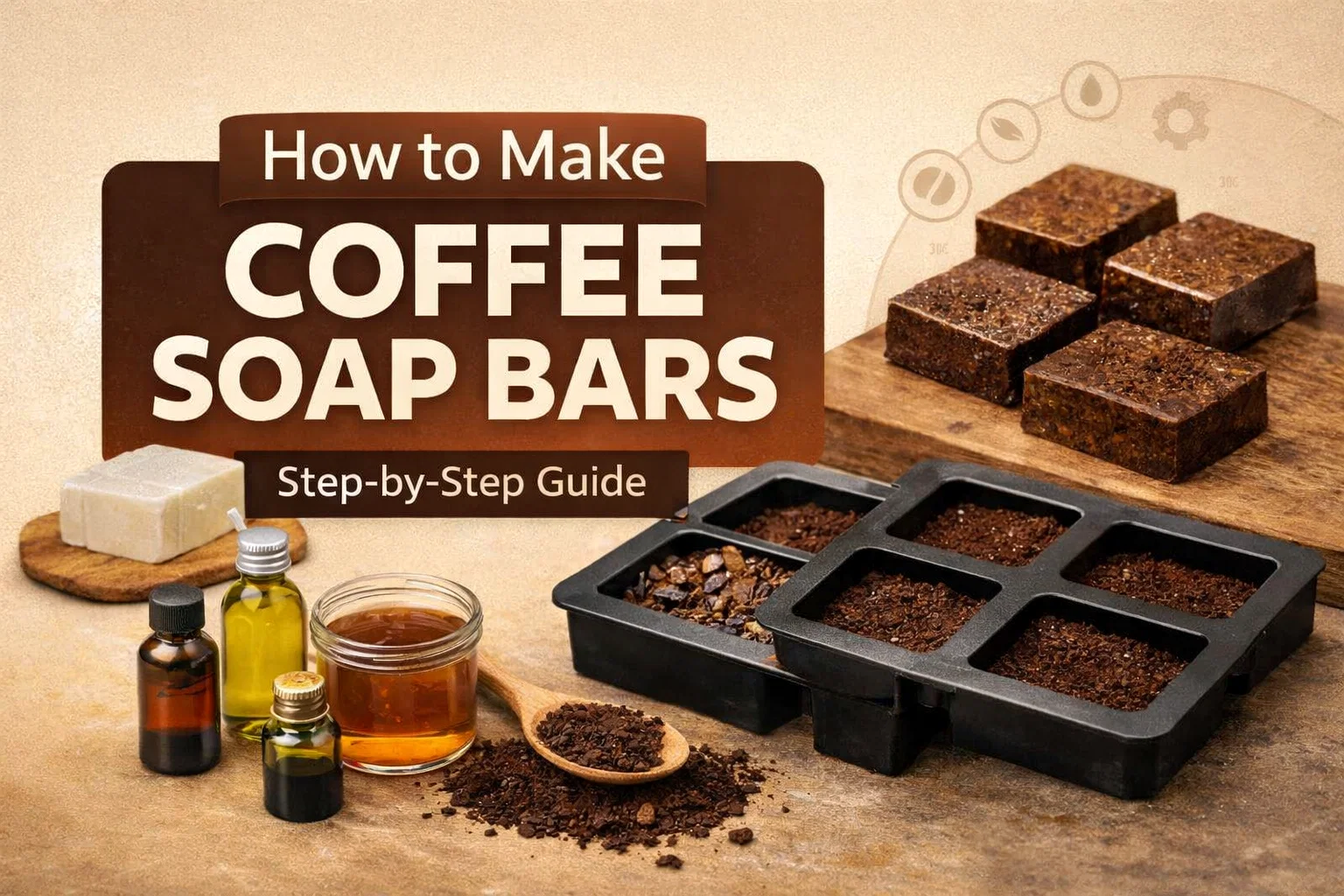
One of the best things about this recipe is how accessible the ingredients are. You likely already have some of these in your pantry. To make a standard batch of four to six bars, you will need the following:
- 450g Glycerin Soap Base: This is your canvas. Glycerin is a humectant, meaning it helps pull moisture into the skin. Look for a clear or opaque high quality base at your local craft store.
- 20g Coffee Grounds: You can use fresh grounds or even dried, used grounds. If using used grounds, ensure they are completely dry to prevent mold growth in your soap.
- 30g Coconut Oil: This adds a boost of hydration and creates a creamy lather.
- 30g Olive Oil: Known for its mildness and vitamin E content, olive oil ensures the soap is gentle on sensitive skin.
- 10g Coffee Fragrance Oil: While the grounds provide a hint of scent, a skin safe fragrance oil ensures that wonderful coffee aroma lingers on your skin.
- Soap Molds: Silicone molds are the easiest to use because they allow the soap to pop out effortlessly once hardened.
Step by Step Instructions for Crafting Your Soap
Now that you have your supplies ready, follow these simple steps to create your custom bars. The entire process takes less than an hour of active work, though you will need some patience while the bars set.
Step 1: Preparing the Soap Base
Start by cutting your glycerin soap base into small, uniform cubes, roughly one inch in size. This ensures that the base melts evenly without overheating. Place the cubes in a microwave safe glass bowl. Microwave in 30 second bursts, stirring in between each interval. Be careful not to let the soap boil, as this can create air bubbles and make the base brittle. Continue until the liquid is smooth and transparent.
Step 2: Mixing in the Goodness
Once your base is fully melted, it is time to add the nourishing ingredients. Stir in the coconut oil and olive oil slowly. The heat from the melted base will naturally melt the coconut oil if it is in a solid state. Next, add your coffee grounds. Stir thoroughly to ensure the grounds are distributed evenly throughout the liquid. Finally, add the fragrance oil. If you prefer a more natural approach, you can substitute the fragrance oil with a few drops of vanilla or peppermint essential oil.
Step 3: Pouring and Setting
Place your silicone molds on a flat, level surface where they can remain undisturbed. Carefully pour the coffee and soap mixture into each cavity of the mold. If you see small bubbles forming on the surface, you can lightly spray them with a bit of rubbing alcohol to pop them instantly. This gives the back of your soap a professional, smooth finish.
Step 4: The Hardening Process
Let the soap sit at room temperature for at least two to four hours. While it might feel tempting to move them to the fridge to speed things up, this can sometimes cause the soap to sweat or warp. Patience is key here. Once the bars are completely firm to the touch and cool, gently peel the silicone mold away from the edges and pop each bar out.
Customizing Your Coffee Soap Bars
The beauty of DIY skincare is that you can adjust the recipe to suit your specific needs. Once you have mastered the basic recipe, consider these creative variations:
Texture and Exfoliation Levels
The grit of your soap depends entirely on the grind of your coffee. For a gentle facial bar, use very finely ground espresso powder. For a heavy duty foot or body scrub, use a coarse French press grind. You can also experiment with the amount of grounds; more grounds will result in a darker, more abrasive bar, while fewer grounds will create a lighter, more decorative look.
Adding Creamy Elements
If you have very dry skin, you might want to try a goat milk soap base instead of a clear glycerin base. This creates a latte style appearance and adds extra proteins and vitamins to the bar. You can even stir in a teaspoon of honey during the mixing phase for its natural antibacterial properties and a subtle, sweet scent.
Visual Flair
To make your soaps look like they belong in a professional gift shop, try layering. Pour a thin layer of plain soap at the bottom, let it set slightly, and then pour the coffee mixture on top. You can also press a few whole coffee beans into the top of the bars while they are still slightly tacky for an elegant finishing touch.
Pro Tips for Success
Even though the melt and pour method is straightforward, a few professional tips can help you avoid common pitfalls. First, always ensure your coffee grounds are dry. If you use wet grounds from your morning brew, the moisture can cause the soap to become mushy or develop bacteria over time. Spread used grounds on a baking sheet and let them air dry completely or put them in a low oven for a few minutes before adding them to your mix.
Second, consider the temperature of your melted base. If you add the coffee grounds when the soap is too hot and thin, they may all sink to the bottom of the mold. To get that perfectly speckled look throughout the bar, let the soap cool and thicken slightly while stirring before you pour it into the molds. This helps suspend the particles evenly.
How to Store and Gift Your Handmade Soap
Because glycerin soap contains a high amount of glycerin (which attracts moisture), these bars can sometimes develop beads of moisture on the surface if left out in humid air. To prevent this, wrap your finished bars tightly in plastic wrap or store them in an airtight container until you are ready to use them.
These coffee soap bars make fantastic gifts for friends, family, or coworkers. Tie a piece of rustic twine around a bar, tuck in a small wooden soap dish, and you have a thoughtful, handmade present. They are especially popular during the holiday season or as part of a DIY spa gift basket. Because they are made with natural ingredients, you can feel good about what you are sharing with your loved ones.
Conclusion
Creating your own coffee soap bars is a wonderful way to bridge the gap between your love for coffee and your commitment to a natural skincare routine. It is a process that engages the senses, from the warm smell of the melting base to the satisfying texture of the finished scrub. By taking control of the ingredients, you ensure that your skin is getting the very best treatment without unnecessary chemicals or preservatives.
Whether you are looking to brighten your morning routine or simply want a fun weekend project, these soap bars are sure to become a staple in your home. So, the next time you finish a pot of coffee, don’t just toss those grounds. Turn them into something beautiful, functional, and skin loving. Your morning shower will never be the same again!