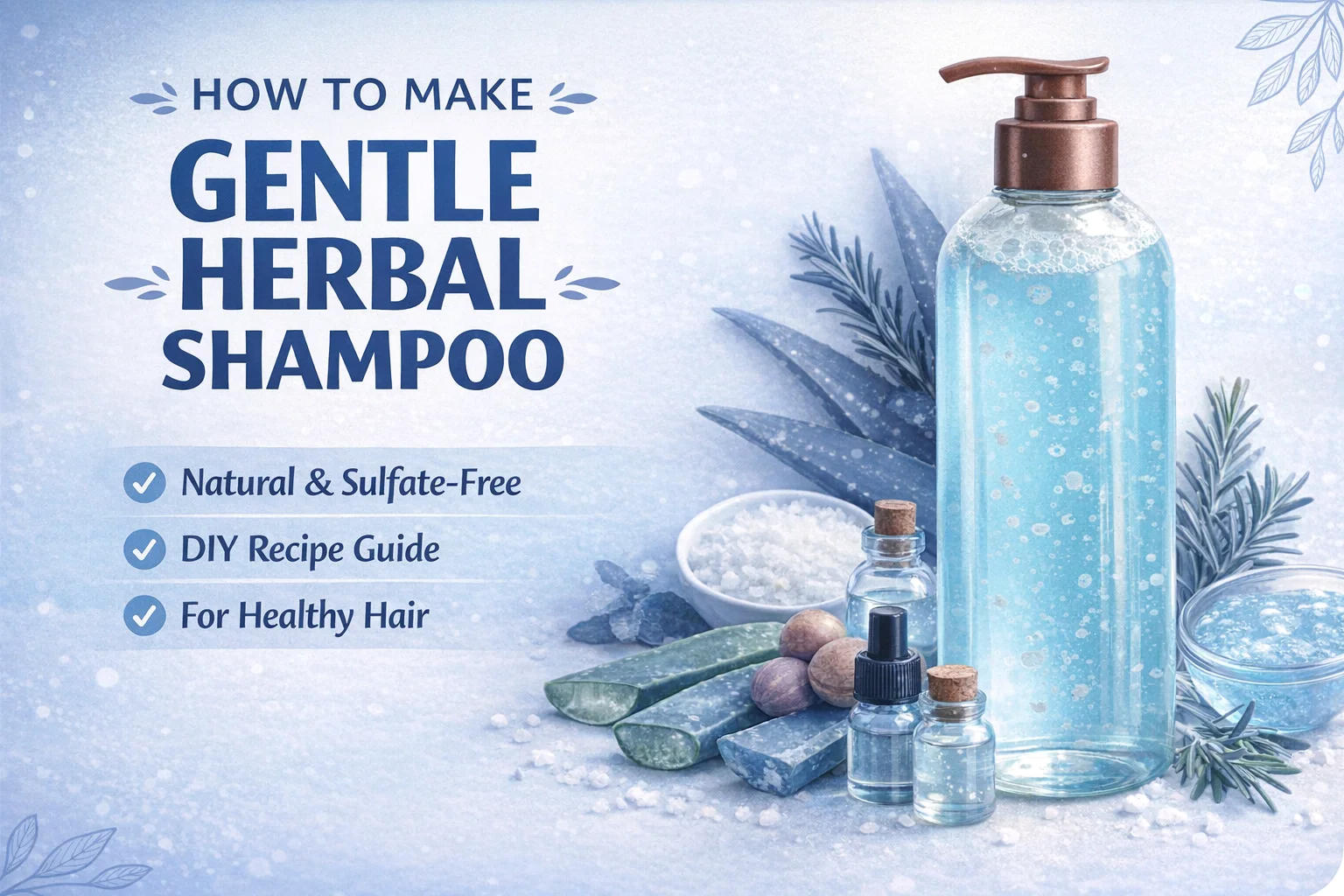
DIY Gentle Herbal Shampoo Recipe Sulfate-Free Liquid Castile Soap Hair Care Guide
Are you tired of staring at the long list of unpronounceable chemicals on the back of your shampoo bottle? You are not alone. In recent years, a massive shift toward clean beauty has led many of us to question what we are actually putting on our scalps. The skin is the body’s largest organ, and the scalp is particularly absorbent. If you have been dealing with persistent dryness, an itchy scalp, or hair that feels stripped and lifeless, the culprit might be the very product meant to clean it. Commercial shampoos often rely on harsh sulfates and synthetic fragrances that do more harm than good over time.
The solution is surprisingly simple, cost effective, and right at your fingertips. Making your own Gentle Herbal Shampoo allows you to take full control of your hair care routine. By using natural surfactants like liquid Castile soap and moisturizing agents like aloe vera juice, you can create a customized formula that rivals any high end salon product. This guide will walk you through everything you need to know to transition to a natural hair care routine using the easy five step process highlighted in our herbal infusion guide.
Why Switch to a DIY Herbal Shampoo?
Most store bought shampoos are essentially liquid detergents. They use sodium lauryl sulfate (SLS) to create that massive cloud of foam we have been conditioned to associate with cleanliness. However, that foam comes at a cost. It strips away the natural sebum that protects your hair shaft, leading to a cycle of overproduction of oil and subsequent hair damage. When you switch to a homemade herbal version, you are choosing a path of nourishment rather than depletion.
One of the biggest benefits of this specific recipe is its versatility. Whether you have oily hair, a sensitive scalp, or you are looking for a tear free option for your kids, this base formula can be adjusted to meet those needs. It is sulfate free, family friendly, and utilizes the power of plants to provide a deep yet gentle cleanse. Plus, by making it yourself, you are significantly reducing plastic waste, making this a win for both your hair and the planet.
Decoding the Ingredients: Nature’s Secret Weapons
Before we jump into the mixing process, let us look at why these specific ingredients work so well together. Each component in this 500 ml recipe serves a distinct purpose in maintaining the health of your tresses.
The Base: Distilled Water and Liquid Castile Soap
The foundation of any good DIY shampoo is the balance between the cleanser and the diluent. We use 300 ml of distilled water to ensure the mixture stays pure and free from the minerals or bacteria often found in tap water. The star of the show is 150 ml of liquid Castile soap. Derived from vegetable oils, Castile soap is a powerful yet biodegradable cleanser that lifts dirt and excess oil without the harshness of synthetic sulfates.
Hydration Heroes: Aloe Vera and Vegetable Glycerin
To ensure your hair stays soft and manageable, we incorporate 20 ml of Aloe Vera juice and 20 ml of vegetable glycerin. Aloe vera is a natural humectant that soothes the scalp and provides essential vitamins. Vegetable glycerin acts as a moisture magnet, pulling hydration into the hair follicle and locking it in. This combination is especially vital for those with dry or curly hair types that crave extra moisture.
Nutrient Rich Oils: Argan or Jojoba
The recipe calls for 10 ml of Argan or Jojoba oil. Argan oil, often called liquid gold, is packed with fatty acids and vitamin E, making it perfect for adding shine and reducing frizz. Jojoba oil is unique because its chemical structure closely mimics human sebum, making it an excellent choice for balancing scalp oil production without feeling greasy.
Step by Step Guide to Crafting Your Shampoo
Creating your herbal shampoo is a therapeutic process that takes less than ten minutes. Follow these steps to ensure a stable and effective blend.
Step 1: The Foundation
Start by pouring 300 ml of distilled water into a clean mixing bowl or directly into your 500 ml dispenser bottle. Using a funnel can help prevent spills and keep your workspace tidy.
Step 2: Add the Soothers
Gently stir in the 20 ml of aloe vera juice and 20 ml of vegetable glycerin. These ingredients are water soluble and will integrate easily with the distilled water base.
Step 3: Incorporate the Castile Soap
This is the most important part of the process. Add the 150 ml of liquid Castile soap slowly. If you pour too quickly or stir too vigorously, you will create excess suds inside the bottle, making it difficult to add the remaining ingredients. A slow, steady pour is key.
Step 4: The Essential Oil Blend
Now comes the fun part! Add your 10 ml of Argan or Jojoba oil along with 10 to 15 drops of your favorite essential oils. This is where you can customize the scent and the therapeutic benefits of your shampoo.
Step 5: Preservation
Since this recipe contains water and organic matter, it has a shelf life of about 2 to 4 weeks. To extend this, you can add a natural preservative. If you choose not to use one, simply make smaller batches and store them in a cool, dark place.
Customizing Your Formula for Your Hair Type
No two heads of hair are the same, and your shampoo shouldn’t be either. You can easily tweak the proportions or add specific ingredients to target your personal hair goals.
- For Oily Hair: If you find your hair gets greasy quickly, increase the oil content slightly by adding 5 ml of a lighter oil, or add a few extra drops of lemon or grapefruit essential oil to help break down buildup.
- For Dandruff and Itchy Scalp: Tea tree oil is your best friend. Adding tea tree essential oil to your mix provides antifungal and antibacterial properties that soothe the scalp and reduce flaking.
- For Maximum Shine: Rosemary essential oil is known for stimulating blood flow to the scalp and enhancing the natural luster of your hair.
The Transition Period: What to Expect
If you are switching from conventional shampoo to a natural DIY version, your hair might go through a transition period. This is often called the detox phase. Commercial shampoos use silicones to coat the hair and make it feel slippery. As these synthetic coatings wash away, your hair might feel slightly different or even a bit waxy for a week or two.
Don’t be discouraged! This is simply your scalp relearning how to regulate its own oil production. To help this process, you can use an apple cider vinegar rinse once a week. This helps balance the pH of your scalp and removes any residual minerals, leaving your hair incredibly soft and shiny.
Best Practices for Storage and Use
Because this shampoo is made of natural ingredients, it does not contain the heavy stabilizers found in commercial products. Here are a few tips to get the most out of your creation:
Shake Before Use
The oils and water based ingredients may naturally separate over time. This is perfectly normal and does not mean the product has gone bad. Simply give the bottle a gentle shake before every use to reintegrate the formula.
Mind the Shelf Life
Without a heavy chemical preservative, this shampoo is fresh. Aim to use your 500 ml batch within a month. If you find you aren’t using it fast enough, you can cut the recipe in half for your next batch. Always use clean bottles to prevent any contamination.
Application Technique
Natural shampoo behaves differently than sulfate based versions. You may find that it doesn’t suds up as much, but rest assured, it is still cleaning. Focus your massage on the scalp where the oil buildup is highest, and let the suds rinse through the ends of your hair.
Conclusion: Embrace the Natural Glow
Taking the leap into DIY hair care is an empowering step toward a healthier lifestyle. By following this Gentle Herbal Shampoo recipe, you are treating your hair to the vitamins, minerals, and fatty acids it truly needs to thrive. You will likely notice that your hair becomes stronger, more vibrant, and easier to manage as it returns to its natural state.
Remember, beauty doesn’t have to be complicated or chemically induced. Sometimes, the best solutions are found in a few simple, plant based ingredients mixed with a little bit of care. Start your natural hair journey today, and your scalp will thank you for years to come!