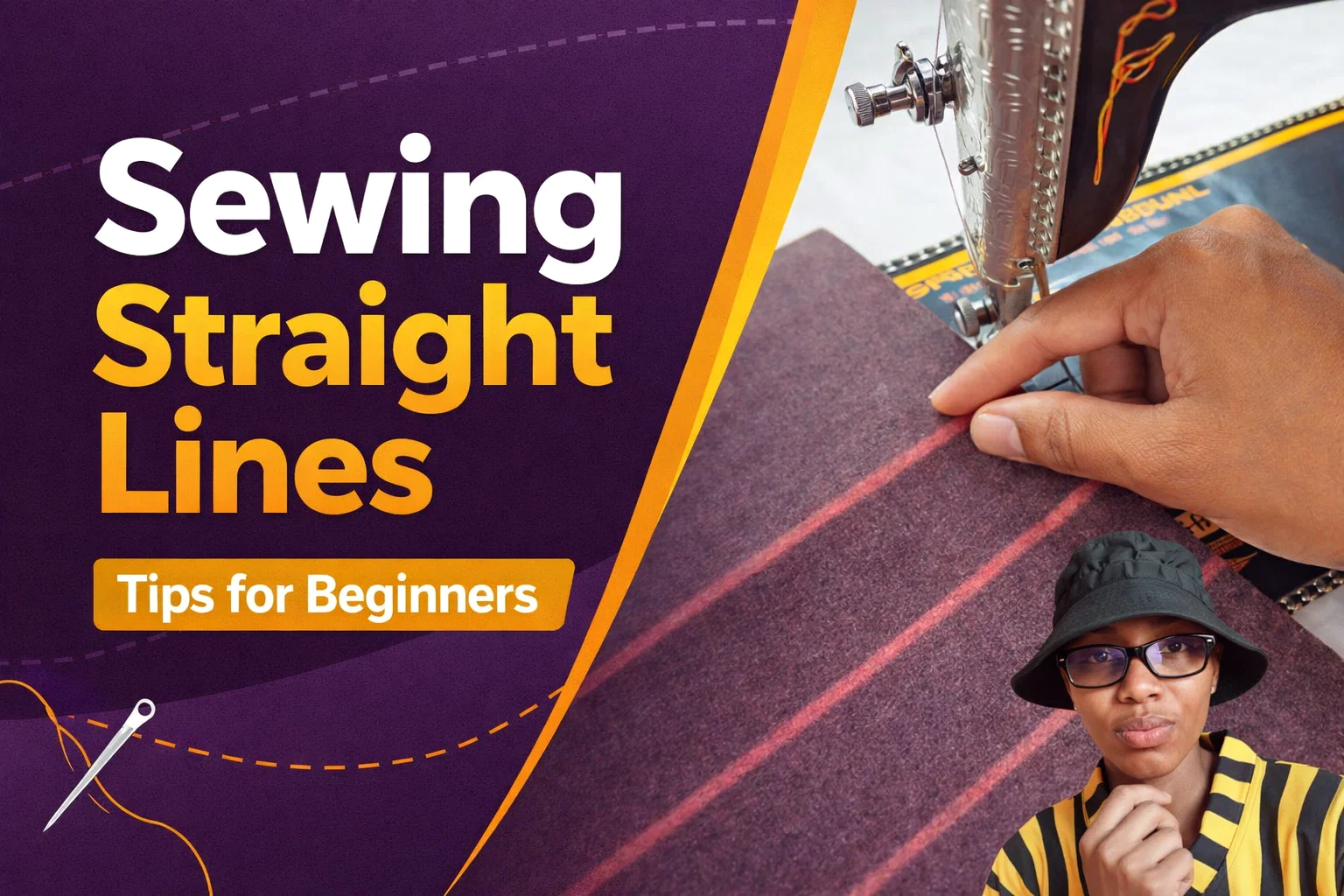
DIY Handbag Base Sewing Tutorial Easy Step-by-Step Stitching Guide
If you have ever stared at a beautiful piece of fabric and dreamed of turning it into a functional masterpiece, you know that the magic happens in the details. One of the most intimidating yet rewarding parts of bag making is constructing a base that actually holds its shape. A well sewn handbag base is the difference between a floppy, homemade looking sack and a professional, high end accessory that stands the test of time. Today, we are diving deep into the technical and creative world of handbag construction, specifically focusing on how to master those crisp, clean lines on your sewing machine to create a foundation that is as sturdy as it is stylish.
The Importance of a Solid Handbag Foundation
In the world of DIY fashion, the base is literally the structural heart of your project. Think of it as the architectural footprint of your bag. Without a properly sewn bottom, your bag will lose its silhouette the moment you put your wallet and keys inside. When we analyze the mechanics of a handbag, the base is where the most tension and weight distribution occur. By mastering specific stitching techniques, you ensure that your seams do not pull apart and that the fabric sits flat against any surface.
Creating a structured base also allows you to play with different styles, from the classic rectangular tote to more complex bucket bags and satchels. It gives your work a polished look that mimics professional manufacturing while retaining the charm of a handmade item. Whether you are using heavy canvas, faux leather, or quilted cotton, the principles of alignment and reinforcement remain the same.
Essential Tools for Success
Before you even lower the presser foot, you need to ensure your workstation is prepared for the task. Sewing through multiple layers of fabric and possibly interfacing requires a bit more power than a standard side seam. Here is what you should have on hand to ensure a smooth process:
- Heavy Duty Needles: Use a 90/14 or 100/16 needle, especially if you are working with denim or upholstery fabric.
- Strong Thread: Polyester or heavy duty nylon thread provides the durability needed for the stress points at the corners.
- Fabric Clips or Pins: While pins work for thinner fabrics, clips are much better for thick handbag bases as they do not distort the material.
- A Walking Foot: This is a game changer for bag making. It helps feed the top and bottom layers of fabric through the machine at the same rate, preventing the shifting that often happens with thick layers.
- Marking Tools: A piece of tailor’s chalk or a disappearing ink pen is vital for marking your box corners or seam guides.
Choosing the Right Interfacing
The secret to that “store bought” feel often lies hidden between the layers of fabric. Interfacing provides the stiffness required to keep the base from sagging. For most handbags, a firm fusible fleece or a heavy duty stabilizer like Peltex is recommended. You want something that offers resistance but is still pliable enough to be turned right side out once the sewing is finished.
Step by Step: Sewing the Boxed Corner Base
One of the most popular methods for creating a handbag base is the boxed corner technique. This method transforms a flat pouch into a three dimensional object with a defined bottom. It is a favorite among beginners and professionals alike because of its clean finish and reliability.
Step 1: Preparing Your Main Panels
Start by sewing your front and back panels together along the sides and the bottom edge. Ensure your right sides are facing each other. At this stage, your bag looks like a simple flat pocket. Use a consistent seam allowance, usually 1/2 inch or 5/8 inch, to ensure the bag remains symmetrical. Press your seams open to reduce bulk, which will make the next steps significantly easier.
Step 2: Marking the Corners
With the bag still inside out, use your ruler to measure and cut a square out of the bottom two corners. The size of the square determines the depth of your bag. For example, a 2 inch square will result in a base that is 4 inches wide. Precision is everything here. If your squares are not identical, your bag will sit lopsided.
Step 3: Aligning the Seams
This is where the magic happens. Pull the front and back fabric apart at the corner cut out and flatten it so that the side seam aligns perfectly with the bottom seam. This creates a straight horizontal line across the corner. Use your clips to hold this alignment firmly in place. Double check that the seams are nested or pressed open so the needle can pass through without hitting a massive hump of fabric.
Step 4: Stitching the Base
Sew across the marked line with a straight stitch. Because this area will take a lot of strain, it is a great idea to backstitch at the beginning and end. For extra security, many makers sew a second line of stitching about 1/8 inch away from the first. This “insurance” stitch ensures that even if one thread snaps over time, your bag stays intact.
Advanced Techniques for Professional Results
Once you are comfortable with the basics, you can elevate your craft by adding professional touches that increase the longevity of your bags. These small additions make a world of difference in the final aesthetic.
Adding Bag Feet
Bag feet are small metal studs that sit on the bottom of the base. They serve two purposes: they look incredibly professional and they protect your beautiful fabric from getting dirty or scuffed when you set the bag down. To add these, you will need to install them onto your reinforced base piece before you sew the final assembly. They usually require a small washer on the inside to keep them from pulling through the fabric.
Using a Base Shaper
Sometimes, even the stiffest interfacing is not enough for a very large tote. In these cases, a removable base shaper is the answer. You can cut a piece of plastic canvas or thin acrylic to the exact dimensions of your finished base. Sew a small fabric sleeve for it and place it at the bottom of your bag. This gives the bag a flat, solid floor that can support significant weight without bowing.
Common Challenges and How to Overcome Them
Even the most experienced sewists run into hiccups when working on structural projects. Handbag bases involve thick intersections of fabric that can cause skipped stitches or broken needles.
Dealing with Bulk
When multiple seams meet at a corner, your sewing machine might struggle to climb over the “mountain” of fabric. If your machine is stalling, use a “hump jumper” or a folded piece of scrap fabric placed under the back of the presser foot. This levels the foot and allows the feed dogs to move the fabric forward consistently. Slow down your sewing speed and use the hand wheel to guide the needle through particularly dense spots.
Maintaining Symmetry
If you find that your bag base looks twisted once turned right side out, it is likely because the corner seams were not centered. Always use a marking pen to find the exact center of your panels and align your seams to that mark rather than just “eye balling” it. Taking the extra thirty seconds to measure twice will save you from having to use the seam ripper later.
Finishing Touches and Turning the Bag
After all the structural sewing is complete, it is time for the big reveal. Before turning the bag right side out, trim any excess threads and clip your corners if necessary to reduce bulk. When you turn the bag, use a blunt tool like a knitting needle or a specialized turner to gently push out the corners from the inside. Do not push too hard, or you might poke a hole through your fresh stitches.
Give the base a final, heavy press with your iron. Use a pressing cloth if you are working with delicate or synthetic materials. A good steam press sets the stitches and gives the edges a crisp, professional definition that defines the shape of the bag.
Conclusion: Your Path to Handbag Mastery
Sewing the base of a handbag is a fundamental skill that opens up a world of creative possibilities. It is the bridge between a simple sewing project and true garment construction. By focusing on precision marking, choosing the right stabilizers, and handling bulk with patience, you can create bags that are not only beautiful but also incredibly durable. Each bag you make is an opportunity to refine these techniques and experiment with new shapes and materials.
Remember that every expert was once a beginner who broke a few needles and had to rip out a few crooked seams. The key is to keep practicing and to pay attention to the small details that contribute to the overall structure. Soon, you will be designing and constructing custom bags that receive compliments everywhere you go. So, grab your favorite fabric, thread your machine, and start building your next masterpiece from the bottom up. Happy sewing!
Would you like more tips on bag making? Save this guide for your next project and stay tuned for more sewing tutorials!