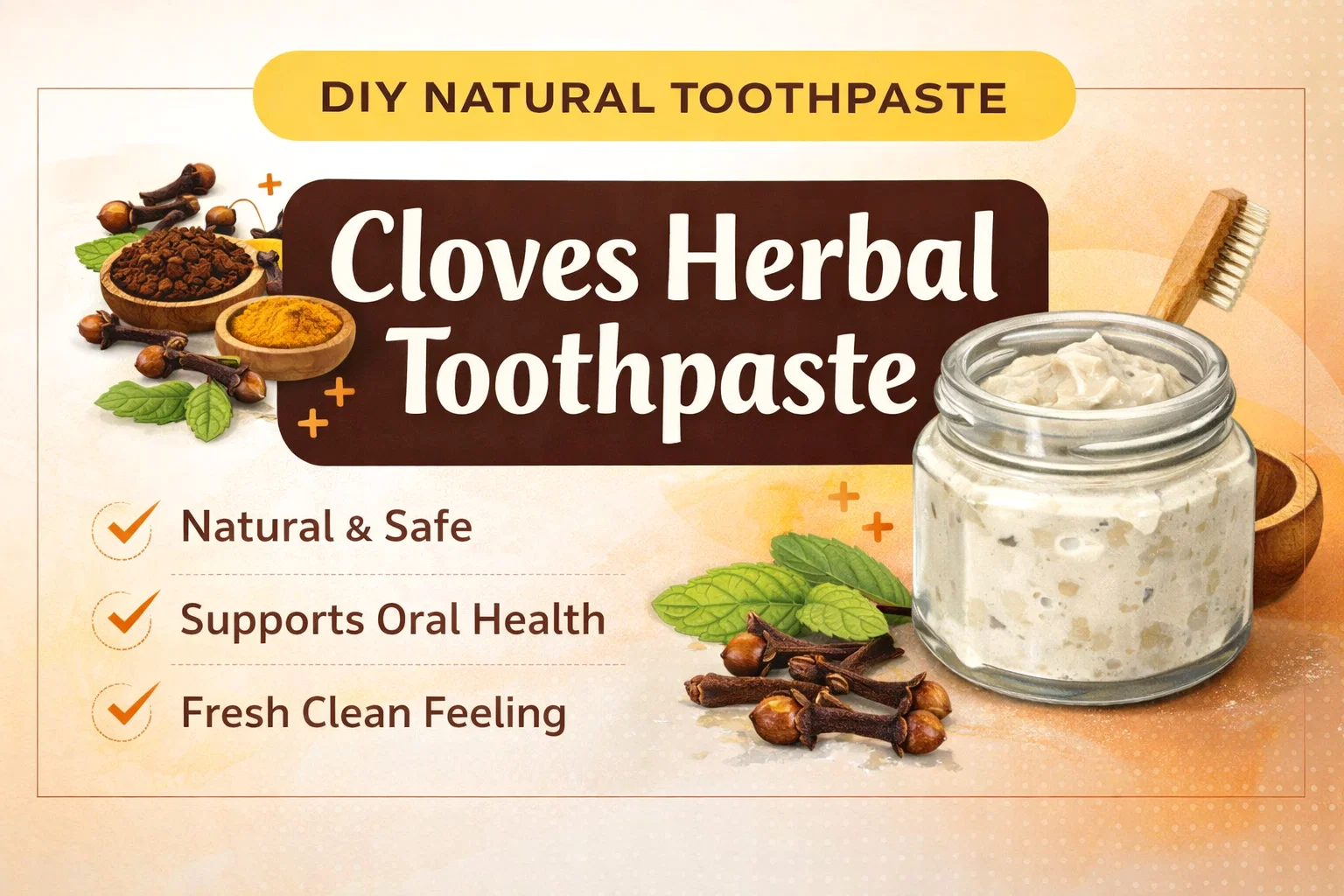
DIY Herbal Clove Toothpaste Recipe for Natural Oral Care
Welcome to the wonderful world of natural oral care! If you have been looking for a way to upgrade your daily routine with holistic and herbal remedies, you are in the exact right place. Today, we are diving deep into a simple, incredibly effective recipe for homemade clove herbal toothpaste. Taking control of what goes into your body is a huge step toward better wellness, and your mouth is absolutely no exception. Store-bought toothpastes often contain artificial colors, synthetic sweeteners, and harsh foaming agents that many of us are trying to avoid. By crafting your own toothpaste right in your kitchen, you know exactly what you are brushing with every single morning and night. Let us explore how you can easily harness the natural, antibacterial power of cloves and other simple pantry staples for a healthier, brighter, and happier smile.
Why You Should Switch to Homemade Herbal Toothpaste
The journey into DIY personal care is incredibly rewarding. When you start making your own products, from handmade skincare to herbal holistic remedies, you begin to understand the true purpose of every single ingredient. Commercial dental care products are frequently packed with unpronounceable chemicals. While they do clean your teeth, they can sometimes strip your mouth of its natural microbiome or cause irritation for those with sensitive gums.
Creating your own toothpaste allows you to customize the formula to your specific needs. If you struggle with sensitive teeth, you can add soothing ingredients. If you want a bit more whitening power, you can adjust the gentle abrasives. Furthermore, making your own products drastically reduces plastic waste. Instead of throwing away countless unrecyclable plastic toothpaste tubes every year, you can store your beautiful herbal paste in a reusable glass jar. It is a win for your health and a fantastic choice for the environment.
The Incredible Oral Health Benefits of Clove
Clove is the absolute star of this DIY toothpaste recipe, and for a very good reason. For centuries, traditional medicine has relied on cloves for dental care. The secret lies in a highly active compound called eugenol, which is naturally abundant in cloves. Eugenol possesses powerful analgesic (pain-relieving) and antiseptic properties. This makes clove an absolute powerhouse for supporting overall oral hygiene.
First and foremost, clove is naturally antibacterial. Your mouth is home to thousands of bacteria, some good and some bad. Clove helps keep the harmful, cavity-causing bacteria in check, which in turn significantly reduces bad breath. Instead of just masking odors with artificial mint flavors, clove tackles the root cause of halitosis by neutralizing the bacteria responsible for the smell.
Additionally, clove is incredibly soothing for tooth sensitivity and minor gum irritations. If you cringe when drinking ice water or hot tea, brushing with a clove-infused paste can help calm that nerve response. It supports general gum health by reducing inflammation, leaving your mouth with a wonderfully fresh and clean feeling that lasts all day.
Unpacking the Natural Ingredients
Every ingredient in this holistic recipe serves a specific, beneficial purpose. Let us break down exactly what goes into this natural remedy and why each component is crucial for your dental health.
Coconut Oil
We start with a base of coconut oil. You will need two tablespoons of this versatile ingredient. Coconut oil is rich in lauric acid, which is known for its antimicrobial and anti-inflammatory properties. It helps reduce plaque buildup and fights the bacteria that contribute to tooth decay. Plus, it provides a smooth, creamy texture that brings the whole toothpaste together seamlessly.
Baking Soda
Next up is one tablespoon of baking soda. Also known as sodium bicarbonate, baking soda is a highly alkaline substance. This means it helps neutralize the harmful acids in your mouth that lead to enamel erosion and cavities. It is also a very mild abrasive, which means it gently polishes the teeth and removes surface stains without scratching your delicate enamel.
Clove Powder or Clove Oil
You will use one teaspoon of clove powder to provide those amazing antibacterial and soothing benefits we discussed earlier. If you prefer, you can substitute this with a few drops of pure, food-grade essential clove oil, but you must be mindful of the concentration. Clove powder offers a gentle, effective approach that is very easy to measure and mix.
Xylitol or Honey
To make the toothpaste palatable, you can add one teaspoon of xylitol or raw honey. Xylitol is a natural sweetener derived from plants that actually helps prevent cavities. It starves the harmful bacteria in your mouth because they cannot process it like regular sugar. If you prefer honey, raw honey has its own natural antibacterial properties, though xylitol is the gold standard for natural dental care.
Calcium Carbonate
You will need two to three tablespoons of calcium carbonate. This is a brilliant addition to any DIY toothpaste. Your tooth enamel is highly mineralized, and calcium carbonate provides the essential minerals needed to help remineralize and strengthen your teeth. It also acts as a fantastic natural thickener, giving your homemade paste that familiar, satisfying consistency.
Turmeric and Peppermint Oil (Optional Additions)
For an extra boost, you can include a half teaspoon of turmeric powder. While it might seem counterintuitive to put a bright yellow spice on your teeth, turmeric is famous in holistic circles for its ability to naturally whiten teeth and severely reduce gum inflammation. Finally, a few drops of peppermint oil can be added if you miss that classic, frosty mint flavor, though the clove already provides a wonderfully spicy and fresh taste.
Your Step-by-Step Clove Herbal Toothpaste Recipe
Now that you know exactly why these ingredients are so beneficial, it is time to mix up your very own batch. The process takes less than five minutes and requires no special equipment.
- Step One: In a small, clean mixing bowl, combine your two tablespoons of coconut oil with your one tablespoon of baking soda. If your coconut oil is completely solid, you might want to mash it slightly with a fork until it becomes a soft paste.
- Step Two: Add your one teaspoon of clove powder to the mixture. If you are using clove oil instead, start with just a few drops to ensure the flavor is not overwhelming. Mix everything thoroughly.
- Step Three: Slowly add your two to three tablespoons of calcium carbonate. You want to add this gradually until the mixture reaches a thick, paste-like consistency that you are happy with.
- Step Four: Stir in your one teaspoon of xylitol or honey for a touch of sweetness. If you are using the optional half teaspoon of turmeric or a few drops of peppermint oil, fold them in now.
- Step Five: Transfer your finished herbal toothpaste into a small, airtight glass jar for storage. A small mason jar or an upcycled cosmetic container works perfectly for this.
Best Practices for Using Your DIY Toothpaste
Using homemade toothpaste is slightly different from using a commercial tube, but the adjustment is very quick. Because this recipe does not contain chemical foaming agents like sodium lauryl sulfate, it will not lather up in your mouth. Do not worry; the lack of foam does not mean it is not cleaning your teeth brilliantly!
To use your new herbal creation, simply scoop a small, pea-sized amount onto your toothbrush. You can use a small spoon or a clean wooden popsicle stick to scoop it out of the jar to keep the rest of the paste hygienic. Brush gently in circular motions for a full two minutes, making sure to reach all the surfaces of your teeth and your gum line. For the best results, incorporate this into your routine and use it once daily. You will immediately notice how incredibly smooth and clean your teeth feel after rinsing.
Crucial Safety Tips and Important Notes
While natural remedies are incredibly beneficial, it is always important to use them safely and responsibly. Clove is a very potent herb, and there are a few important guidelines to keep in mind to ensure your DIY dental care journey is perfectly safe.
First, if you choose to use essential clove oil instead of clove powder, please exercise caution. Do not use too much clove oil. It is highly concentrated, and excessive amounts can actually irritate your gums or the sensitive tissues inside your mouth. Always start with a tiny amount and see how your mouth reacts.
Secondly, this specific recipe is not recommended for young children. Due to the potency of the clove and the specific mineral balance, it is best to avoid using this formula for kids under the age of six. Children have very different dental needs and sensitivities compared to adults.
Finally, remember that while this herbal toothpaste is fantastic for supporting daily oral hygiene, it is not a replacement for professional medical advice. If you are experiencing persistent tooth pain, severe sensitivity, or bleeding gums, please see a dentist immediately. Natural remedies are brilliant for maintenance and minor soothing, but structural dental issues require a professional eye.
Embrace Your Natural Wellness Journey
Taking the leap into making your own personal care items is a beautiful way to prioritize your health. This clove herbal toothpaste is a testament to the fact that you do not need a laboratory full of synthetic chemicals to achieve a clean, healthy, and radiant smile. By utilizing the incredible gifts of nature, like antibacterial clove, remineralizing calcium carbonate, and soothing coconut oil, you are providing your body with the gentle, effective care it truly deserves.
So, gather your ingredients, take a few minutes out of your day, and whip up a batch of this fantastic holistic remedy. Your teeth, your gums, and your overall well-being will thank you for making the switch to pure, natural ingredients. Happy brushing!