DIY Herbal Glycerite Step-by-Step Alcohol-Free Extract Recipe
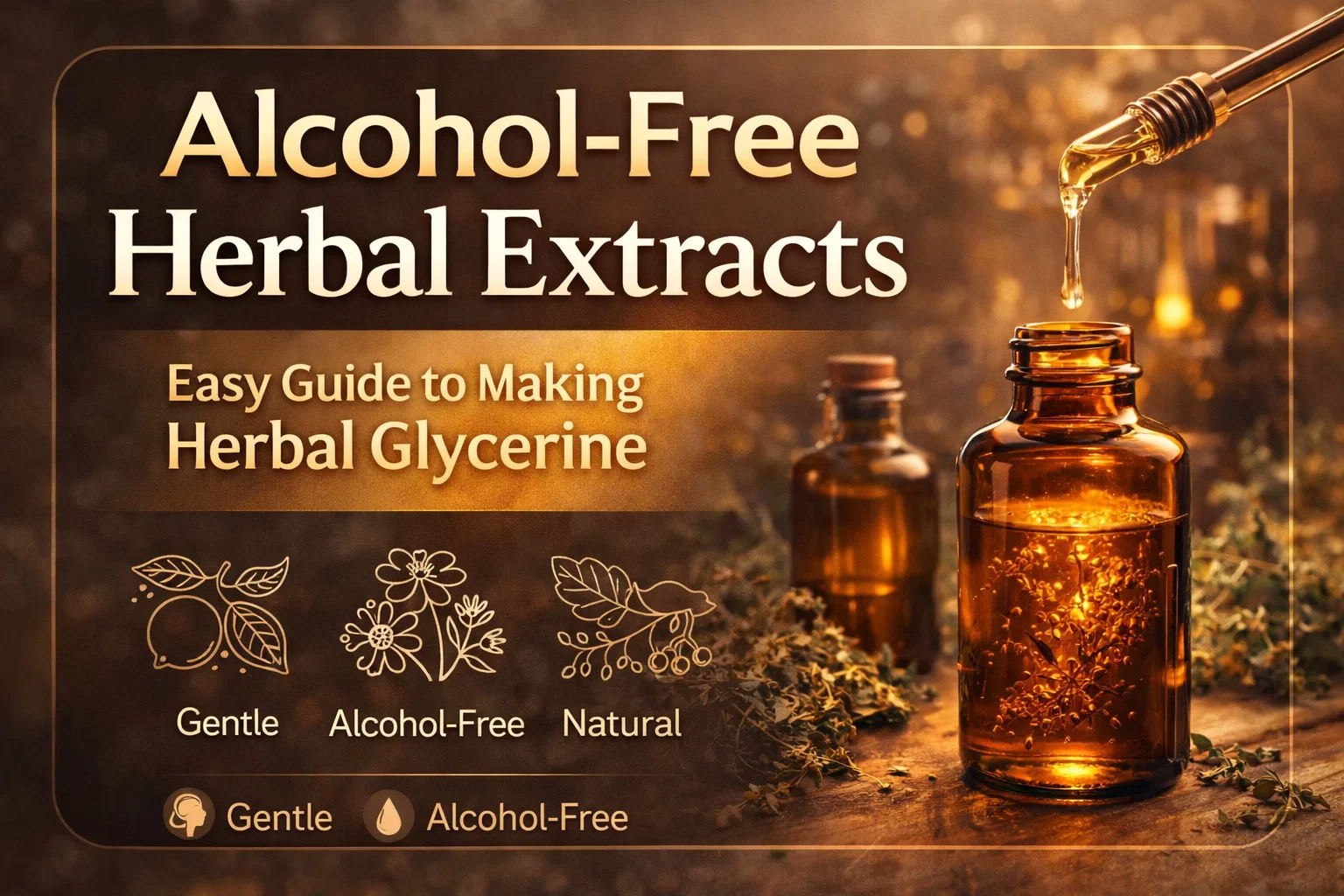
Welcome to the wonderful and empowering world of home herbalism! If you have ever wanted to craft your own botanical extracts but felt hesitant about using high-proof alcohol, you have arrived at the perfect place. Crafting your own plant medicine at home does not have to be complicated, and it certainly does not require harsh ingredients. Today, we are diving deep into the art of making an herbal glycerite. This beautiful, sweet, and incredibly gentle preparation is an essential staple for any home apothecary.
Whether you are a seasoned herbalist or a complete beginner looking to dip your toes into natural remedies, learning how to make an alcohol-free extract will completely transform the way you utilize healing plants. It is a forgiving, joyful process that yields delicious results. Let us explore everything you need to know about creating your very own herbal glycerites from scratch.
What Exactly is an Herbal Glycerite?
To put it simply, an herbal glycerite is a liquid botanical extract that uses vegetable glycerin as the primary solvent instead of traditional alcohol. In the world of herbalism, solvents are liquids used to pull the active constituents, flavors, and therapeutic properties out of plant material. While alcohol (often in the form of vodka or grain alcohol) is the most famous solvent used for making tinctures, it is not the only option available to you.
Vegetable glycerin is a clear, syrupy liquid typically derived from plant oils like coconut, soy, or palm. It has a remarkably sweet taste, yet it does not cause the same rapid blood sugar spikes as refined white sugar. When combined with a little bit of distilled water, glycerin becomes an excellent medium for extracting the water-soluble properties of herbs. The resulting liquid is thick, luxurious, and packed with the gentle medicine of the plants you choose to steep.
Why Choose Glycerites? The Core Benefits
You might be wondering why someone would choose to make a glycerite over a traditional alcohol-based tincture. There are several fantastic reasons to incorporate these sweet extracts into your herbal repertoire.
Perfect for Children and Sensitive Individuals
Perhaps the most popular reason people turn to glycerites is their suitability for kids. Traditional tinctures can be incredibly harsh and unpalatable for little ones, often causing them to reject the remedy entirely. The natural sweetness of vegetable glycerin masks the bitter notes of many medicinal plants, making the extract taste more like a treat than a medicine. Furthermore, many individuals choose to avoid alcohol for personal, religious, or health-related reasons. Glycerites provide a safe, effective, and 100% alcohol-free alternative for sensitive users.
Gentle Flavor Preservation
Alcohol is an aggressive solvent. While it is excellent at extracting tough resins and alkaloids, it can sometimes destroy or overpower the delicate, nuanced flavors of aromatic herbs. Glycerin, on the other hand, acts much more gently. It captures and preserves the authentic, fresh taste of the botanical material. When you taste a rose or chamomile glycerite, you are truly tasting the pure essence of the flower.
Soothing and Hydrating Properties
Beyond its extraction capabilities, vegetable glycerin is a humectant. This means it attracts and retains moisture. When taken internally, it can have a wonderfully soothing, coating effect on the throat and digestive tract. This makes glycerites an excellent base for throat sprays and soothing winter syrups.
The Master Method: Step-by-Step Instructions
Creating your own alcohol-free extract is a simple process that requires minimal equipment. You will need a clean glass mason jar with a tight-fitting lid, your chosen herbs, food-grade vegetable glycerin, distilled water, and a fine mesh strainer or cheesecloth. Here is the foolproof master method for brewing your glycerite.
Step 1: Mix Your Solvent
The first step is preparing your extraction liquid. Pure glycerin is often too thick to effectively penetrate the plant material on its own, so it needs to be diluted slightly. For the optimal balance of extraction power and shelf stability, you should aim for a 3:1 ratio. Mix three parts of vegetable glycerin with one part of distilled water. Important tip: Always use distilled or filtered water to prevent introducing any bacteria or impurities into your mixture.
Step 2: Pack Your Jar
Next, it is time to prepare your herbs. You can use either fresh or dried plant material, but dried herbs are generally easier for beginners because they do not introduce additional, unpredictable moisture into the batch. Take your clean glass jar and fill it roughly one-quarter to one-half full with your chosen herbs. Do not pack them down too tightly. The herbs need room to expand as they absorb the liquid.
Step 3: Add the Liquid
Pour your prepared glycerin and water mixture directly over the herbs in the jar. You must ensure that the liquid covers the plant material completely. Any herbs exposed to the air at the top of the jar can become a breeding ground for mold. Leave about an inch of headspace at the top of the jar, then seal it tightly with a lid. Give the jar a very vigorous shake to ensure all the herbs are saturated and no dry pockets remain.
Step 4: The Steeping Process
Now comes the hardest part: waiting! Place your sealed jar in a cool, dark place, such as a kitchen cabinet or a pantry away from direct sunlight. Your glycerite needs to steep for a minimum of 4 to 6 weeks to fully extract the beneficial properties from the plants. During this waiting period, you need to visit your jar every single day. Give it a good shake to agitate the mixture and keep the plant material evenly distributed. This daily shaking is crucial for a potent final product.
Step 5: Finish and Bottle
Once the 4 to 6 weeks have passed, your extract is ready to be processed. Line a fine mesh strainer with a piece of clean muslin cloth or cheesecloth and place it over a large glass bowl. Pour the contents of your jar into the cloth. Gather the corners of the cloth and squeeze as firmly as you possibly can to extract every last drop of the precious liquid. You want to wring it out until the remaining plant material is relatively dry. Finally, use a small funnel to transfer your finished glycerite into amber glass dropper bottles for easy dispensing.
The Best Herbs for Glycerin Extraction
While you can experiment with many different plants, glycerin is particularly excellent at extracting the constituents of delicate, fragrant, and mucilaginous herbs. Here are some of the absolute best herbs to use when making your first batch.
- Lemon Balm: This bright, uplifting herb makes a phenomenally delicious glycerite. It is wonderful for calming nervous tension, soothing mild digestive upset, and bringing a sense of joyful relaxation.
- Chamomile: A classic for a reason. Chamomile flowers infused in glycerin create a sweet, apple-like extract that is perfect for promoting restful sleep and soothing fussy children before bedtime.
- Lavender: Lavender glycerite captures the deeply relaxing, floral notes of the plant without the soapy taste that alcohol can sometimes bring out. It is excellent for easing stress and headaches.
- Rose: Rose petals create an exquisite, heart-opening extract. A rose glycerite is cooling, emotionally supportive, and feels incredibly luxurious to consume.
- Dried Elderberry: Elderberries are a staple for immune support. An elderberry glycerite is a fantastic, kid-friendly alternative to standard elderberry syrups, providing concentrated immune-boosting power in just a few drops.
Important Notes on Shelf Life and Storage
Because glycerites do not contain high-proof alcohol, their shelf life is slightly shorter than traditional tinctures. However, they are still remarkably stable when made and stored correctly. A well-made glycerite that uses the 3:1 ratio of glycerin to water will typically last for 1 to 2 years.
To maximize the shelf stability of your extract, always store it in dark amber or cobalt blue glass bottles. These dark colors help block out UV light, which can degrade the delicate plant compounds over time. Keep your bottles in a cool, dry place away from direct heat sources like stoves or sunny windowsills. If you are ever in doubt about the freshness of your glycerite, use your senses. If it changes color dramatically, develops a strange odor, or shows signs of mold growth, it is time to discard it and brew a fresh batch.
Conclusion
Creating your own herbal glycerites is a deeply rewarding practice that connects you directly with the healing power of nature. By mastering this simple 5-step method, you can build a customized, alcohol-free home apothecary that caters to the exact needs of your family. The process is safe, accessible, and opens the door to endless botanical combinations. Gather your jars, choose your favorite fragrant herbs, and start steeping today. Your future self will certainly thank you for taking the time to craft these sweet, gentle remedies.
Would you like me to help you brainstorm some creative, niche-specific SEO keywords or an engaging meta description to pair with this blog post?