DIY Homemade Laundry Detergent Recipe – Natural Easy Powder Detergent
Stepping into your laundry room should feel like entering a sanctuary of freshness, but often it feels more like a chemistry lab. If you have ever flipped over a bottle of commercial detergent only to find a list of ingredients that you can barely pronounce, you are not alone. More homeowners than ever are looking for ways to simplify their cleaning routines, save money, and reduce their exposure to harsh synthetic chemicals. The answer is surprisingly simple and sits right in your kitchen pantry. Making your own DIY laundry detergent is one of the easiest ways to transition toward a more natural, sustainable lifestyle while keeping your clothes cleaner than ever.
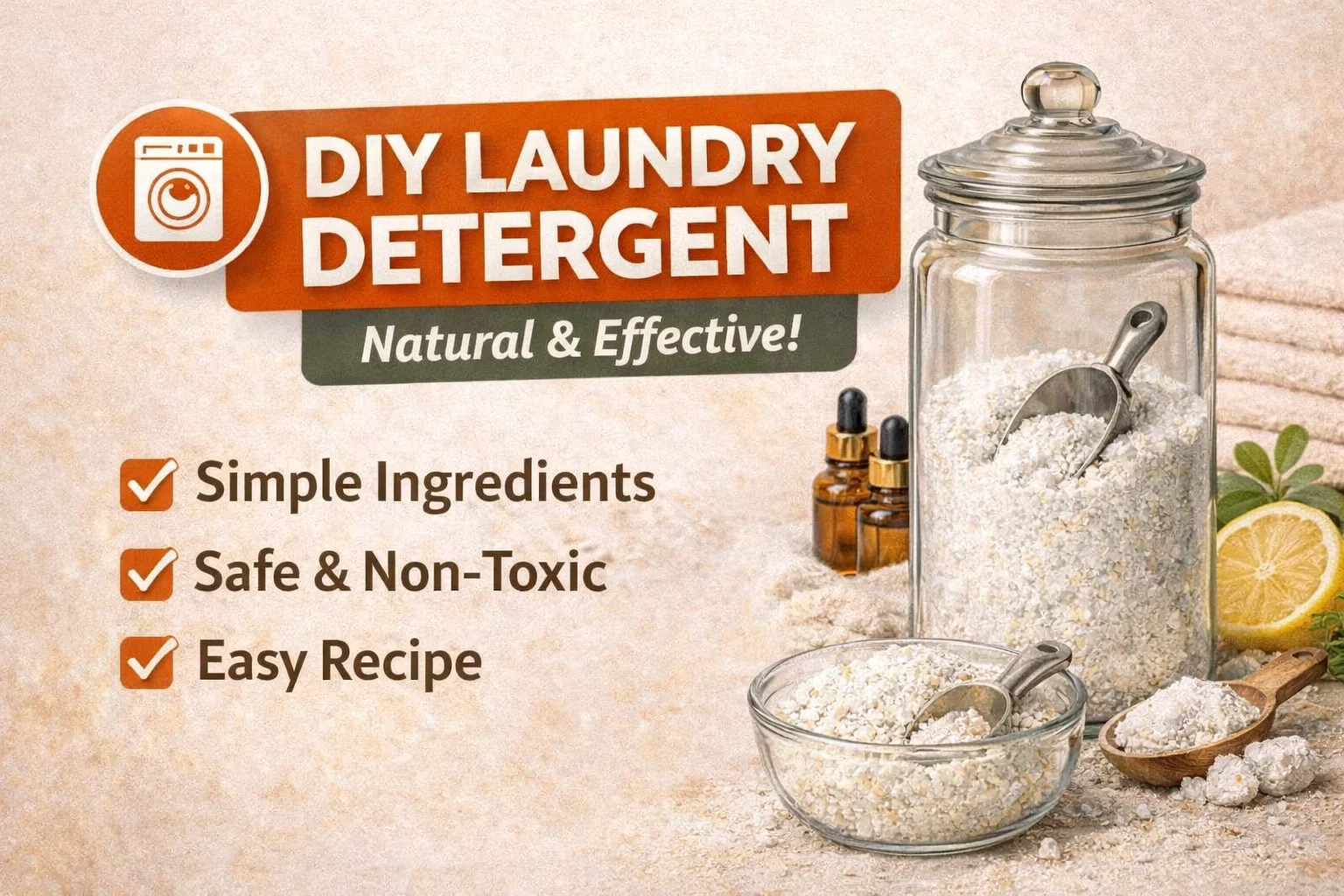
This homemade laundry powder is not just a budget friendly alternative; it is a powerful cleaning agent that utilizes the natural properties of minerals and salts to lift stains and deodorize fabrics. By mixing a few basic staples like baking soda, washing soda, and Epsom salts, you can create a high performance detergent that is gentle on your skin and the environment. Let us dive into why this recipe works and how you can master the art of natural laundry care at home.
The Power of Natural Ingredients
Before we jump into the mixing process, it is important to understand what each of these ingredients actually does for your clothes. Unlike commercial brands that rely on optical brighteners and synthetic fragrances to trick you into thinking your clothes are clean, these natural components do the heavy lifting through chemistry.
Baking Soda for Odor Neutralization
Baking soda, or sodium bicarbonate, is a legendary household cleaner for a reason. In the laundry, it acts as a natural deodorizer and a mild disinfectant. It helps to regulate the pH level in the wash water, preventing it from becoming too acidic or too alkaline. This balance allows the detergent to work more effectively, ensuring that sweat and food odors are actually removed rather than just covered up by perfume.
Washing Soda and Borax for Tough Stains
Washing soda is the heavy hitter in this recipe. It is more alkaline than baking soda and is specifically designed to help remove stubborn grease and oil stains. If you choose to use Borax in your blend, you are adding a natural mineral that excels at whitening whites and brightening colors. These ingredients act as water softeners, which is crucial if you live in an area with hard water. Softening the water ensures that the cleaning agents can penetrate the fibers of your clothing rather than getting stuck to the minerals in the water.
Epsom Salt and Sea Salt
You might be surprised to see salts in a laundry recipe, but they serve a very specific purpose. Epsom salt acts as a natural fabric softener, helping to reduce static and leave your clothes feeling plush without the waxy buildup of liquid softeners. Sea salt acts as a stabilizer and helps to prevent colors from bleeding or fading over time. Together, they ensure that your clothes come out of the dryer feeling soft and looking vibrant.
Step by Step Guide to Making Your Detergent
The beauty of this recipe lies in its simplicity. You do not need any special equipment or hours of free time. In less than ten minutes, you can whip up a batch that will last for months.
The Recipe Ingredients:
- 1/2 cup Epsom Salt
- 1 and 1/2 cups Baking Soda
- 1 and 1/2 cups Washing Soda or Borax
- 1/4 cup Sea Salt
- 20 to 25 drops of Essential Oil (Optional for scent)
Mixing and Blending
Start by grabbing a large mixing bowl. Combine the Epsom salt, baking soda, washing soda, and sea salt. Use a wooden spoon or a whisk to break up any clumps. If you are using essential oils, this is the time to add them. Drop the oils directly onto the dry powder and continue to stir vigorously. The goal is to distribute the oil evenly so that the scent is consistent throughout the entire batch. Popular choices include lavender for a relaxing scent, lemon for a crisp finish, or eucalyptus for a deep, medicinal clean.
Safe Storage Solutions
Once your ingredients are thoroughly blended, transfer the mixture into a glass jar with a tight-fitting lid. Glass is preferable to plastic because it does not leach chemicals and it keeps the essential oils from evaporating. A beautiful apothecary jar or a classic mason jar not only keeps your detergent fresh but also adds a touch of rustic charm to your laundry room decor. Store the jar in a cool, dry place to prevent the powder from clumping due to humidity.
How to Use Your Homemade Powder
One of the biggest mistakes people make when switching to DIY detergent is using too much. Because this formula is concentrated and does not contain the fillers found in commercial boxes, a little goes a long way. For a standard load of laundry, 1 tablespoon is usually all you need. If you are dealing with a particularly large load or heavily soiled items like garden clothes or gym gear, you can increase this to 2 tablespoons.
Compatibility with High Efficiency Machines
Many people worry that homemade powders will ruin their modern HE (High Efficiency) washing machines. The good news is that this recipe is low sudsing. Modern machines actually prefer low suds because excess bubbles can interfere with the sensors and leave a residue on the drum. This natural powder dissolves quickly and rinses away cleanly, making it safe for both top loading and front loading machines.
The Benefits of Going Natural
The shift toward DIY cleaning products is about more than just a fun weekend project. It has real world benefits for your health, your wallet, and the planet. When you take control of the ingredients in your home, you eliminate a major source of indoor pollution.
Skin Health and Allergies
Commercial detergents are a leading cause of contact dermatitis and skin irritation. The synthetic dyes and fragrances used in mass market products linger in the fibers of your clothes and rub against your skin all day long. For babies, children, or anyone with eczema or sensitive skin, this can lead to constant discomfort. By using a natural powder, you remove these irritants entirely.
Environmental Impact
Every time you run a load of laundry, the water from your machine eventually makes its way back into our waterways. Conventional detergents often contain phosphates, which can cause algal blooms that harm aquatic life. This DIY recipe uses biodegradable minerals that are much kinder to the earth. Furthermore, by reusing a glass jar instead of buying plastic jugs every month, you are significantly reducing your household plastic waste.
Saving Money on Household Essentials
The cost per load for this homemade detergent is a fraction of what you would pay for a premium organic or “green” brand at the grocery store. Most of these ingredients can be bought in bulk for very little money. When you look at the long term savings, switching to a DIY powder can save a typical family hundreds of dollars over the course of a year.
Pro Tips for Laundry Success
To get the most out of your natural cleaning journey, there are a few extra steps you can take to ensure your laundry comes out perfect every time. Natural cleaning is often about the process as much as the product.
- Vinegar as a Softener: If you find that your towels are not as soft as you like, add half a cup of white distilled vinegar to the fabric softener dispenser. It helps strip away any lingering minerals and acts as a natural softener.
- Pre Treat Stains: For tough stains like grass or wine, make a paste of this detergent and a little water. Rub it into the stain and let it sit for fifteen minutes before washing.
- Sun Drying: Whenever possible, hang your clothes outside to dry. The sun acts as a natural bleach and disinfectant, adding an extra layer of freshness that no dryer can replicate.
- Keep it Dry: Always use a dry spoon or scoop to measure your detergent. Introducing moisture into the jar will cause the powder to harden into a brick.
Frequently Asked Questions
Can I use this on delicate fabrics?
Yes, this formula is gentle enough for most fabrics. However, for very delicate items like silk or wool, it is always best to hand wash with a dedicated delicate wash, as the high alkalinity of washing soda can sometimes be too harsh for protein based fibers.
Does it work in cold water?
The powder is designed to dissolve well, but in extremely cold water, it may take longer. If you prefer cold washes, you can dissolve the tablespoon of detergent in a cup of warm water before pouring it into the machine to ensure it is fully integrated.
Will my clothes smell like essential oils?
The scent of essential oils is much more subtle than synthetic perfumes. Your clothes will have a faint, clean aroma when they come out of the wash, but the scent often dissipates during the drying process. This is actually a good thing, as it means there is no heavy chemical residue left behind.
Conclusion
Taking the leap into DIY laundry detergent is a small change that yields big results. It simplifies your shopping list, protects your family from unnecessary chemicals, and gives you the satisfaction of knowing exactly what goes into your home maintenance. This recipe proves that you do not need a complex array of products to achieve professional cleaning results. With just a few simple minerals and a bit of mixing, you can transform your laundry routine into a more sustainable, healthful, and rewarding experience. Whether you are motivated by saving money, helping the environment, or simply enjoying the scent of fresh lavender on your sheets, this homemade powder is the perfect place to start. Give it a try this week and discover how easy it is to embrace a cleaner, greener lifestyle.