DIY Homemade Tiger Balm Recipe Natural Pain Relief with Essential Oils
Finding natural ways to manage everyday aches and pains has become a priority for many health conscious individuals. While store bought ointments are effective, they often come with synthetic fragrances, petroleum based bases, and mysterious additives. That is why the DIY movement has embraced the art of crafting homemade topical balms. One of the most legendary formulations in the world of natural recovery is Tiger Balm. By making it yourself, you gain full control over the quality of the ingredients while enjoying the therapeutic benefits of pure essential oils. This guide will walk you through the process of creating your own soothing, aromatic balm right in your kitchen.
The Power of Natural Ingredients in Topical Recovery
The beauty of a homemade Tiger Balm lies in the synergy of its components. Unlike industrial products that rely on paraffin, this recipe uses a base of beeswax and olive oil. This combination provides a smooth, breathable barrier on the skin that allows the active essential oils to penetrate deeply without causing irritation. Beeswax is naturally anti inflammatory and helps lock in moisture, while olive oil serves as a gentle carrier that nurtures the skin.
The real magic, however, happens when you introduce the essential oils. Each oil selected for this recipe serves a specific physiological purpose. Camphor provides that signature cooling and then warming sensation that distracts the brain from pain signals. Peppermint offers a high concentration of menthol, which acts as a natural analgesic. Eucalyptus is renowned for its ability to increase local blood flow, and the warming notes of clove and cinnamon provide a comforting heat that relaxes tight muscle fibers.
What You Will Need: The Ingredient List
Before you begin the melting process, ensure you have gathered high quality ingredients. Since this product will be absorbed through your skin, sourcing organic or therapeutic grade oils is highly recommended. Here is what you need to have on hand:
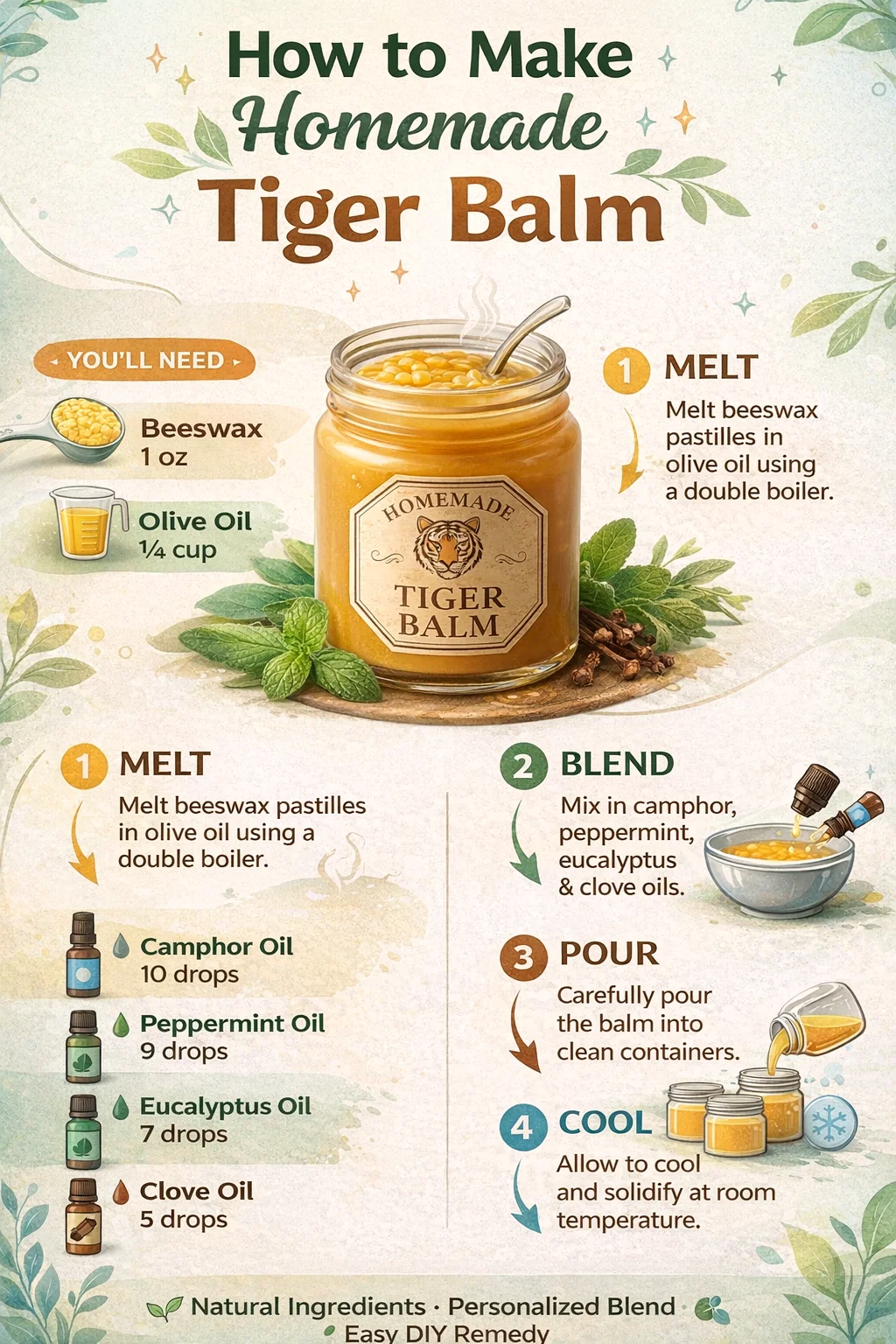
- 1 oz Beeswax Pastilles: These small pellets melt much faster and more evenly than large blocks of wax.
- 1/4 Cup Olive Oil: Use extra virgin olive oil for its antioxidant properties and skin compatibility.
- 10 Drops Camphor Oil: This is the powerhouse for pain relief and provides the classic medicinal scent.
- 9 Drops Peppermint Oil: Provides the cooling menthol effect that eases tension.
- 7 Drops Eucalyptus Oil: Helps with circulation and provides a refreshing respiratory boost.
- 5 Drops Clove Oil: A strong warming oil that helps numb minor surface pain.
- 5 Drops Cinnamon Oil: Enhances the warming sensation and adds a spicy, pleasant aroma.
Tools for a Successful Crafting Session
To keep the process clean and professional, you will need a few basic kitchen tools. A double boiler is essential because direct heat can scorch the beeswax and degrade the delicate compounds in your olive oil. If you do not have a dedicated double boiler, you can simply place a heat safe glass bowl over a pot of simmering water. You will also need a glass stirring rod or a stainless steel spoon, and small amber glass jars for storage. Using glass is better than plastic because essential oils can sometimes react with certain types of plastic over time.
Step By Step Instructions to Create Your Balm
Making your own topical remedy is a rewarding experience that feels like modern day alchemy. Follow these four steps to ensure a perfect consistency and potency every time.
Step 1: The Melting Process
Place your beeswax pastilles and olive oil into the top section of your double boiler. Set the heat to medium low. You want the water below to simmer gently, not boil aggressively. Stir the mixture occasionally as the wax begins to soften. You will know it is ready when the liquid is completely clear and no solid bits of wax remain. This slow melting ensures the oils do not overheat, preserving their natural benefits.
Step 2: Blending the Actives
This is the most critical stage for potency. Once the wax and olive oil are fully combined, remove the vessel from the heat source. Let it sit for about sixty seconds so the temperature drops slightly. If the base is too hot when you add the essential oils, the heat may cause the volatile aromatic compounds to evaporate. Add your camphor, peppermint, eucalyptus, clove, and cinnamon oils. Stir thoroughly for at least thirty seconds to ensure the essential oils are evenly distributed throughout the wax base.
Step 3: Pouring and Setting
Carefully pour the liquid gold into your clean glass containers. It is helpful to use jars with wide mouths so you can easily scoop the balm out later. Work quickly but steadily, as the wax will begin to solidify as soon as it hits the cooler air. Fill the jars almost to the top, leaving just a little bit of space for the lid. If you notice any small bubbles on the surface, you can gently tap the jar on the counter to release them.
Step 4: The Cooling Phase
Resist the urge to put the lids on immediately. If you cap the jars while the balm is still warm, condensation can form inside the lid, which may introduce moisture and shorten the shelf life of your product. Let the jars sit undisturbed at room temperature. You will see the color change from a translucent gold to an opaque, creamy yellow. This usually takes about one to two hours depending on the temperature of your home.
How to Use Your Homemade Tiger Balm Safely
Once your balm has solidified, it is ready for use. To apply, scoop a small amount with your fingertip and rub it between your palms to warm it up. Massage it directly onto sore muscles, joints, or even your temples for a tension headache. The initial cooling sensation will be followed by a deep, relaxing heat.
Precautionary Tips
Because this recipe contains potent essential oils like cinnamon and clove, it is important to perform a patch test on a small area of skin first. Avoid contact with your eyes, nose, or any broken skin. This balm is for external use only. If you are pregnant or nursing, consult with a healthcare provider before using essential oils like camphor or cinnamon.
The Benefits of Crafting Your Own Remedies
Choosing to make your own Tiger Balm offers more than just physical relief. It connects you to a tradition of self sufficiency and natural wellness. When you craft your own blends, you are not just a consumer; you are a creator who understands exactly what is going into your body. This personalized approach allows you to adjust the ratios to find your perfect balance of “hot” and “cold” therapy.
Furthermore, these handmade jars make incredible gifts for friends who enjoy fitness, gardening, or anyone who deals with the occasional stiff neck. By using sustainable ingredients like beeswax and reusable glass jars, you are also making a choice that is kinder to the environment. It is a win for your body, your wallet, and the planet.
Conclusion: Your Path to Natural Wellness
Creating a homemade Tiger Balm is a simple yet powerful way to take charge of your personal care routine. With just a handful of natural ingredients and a little bit of time, you can produce a high quality remedy that rivals any commercial product. Whether you use it to recover from a tough workout or to find comfort after a long day at the office, this balm will quickly become a staple in your home. Experiment with the scents, enjoy the process of crafting, and feel the difference that pure, natural ingredients can make in your daily life. Store your jars in a cool, dark place, and they will stay fresh and potent for months to come. Happy crafting!