DIY Homemade Vapor Rub Recipe Natural Essential Oil Relief for Cold Congestion
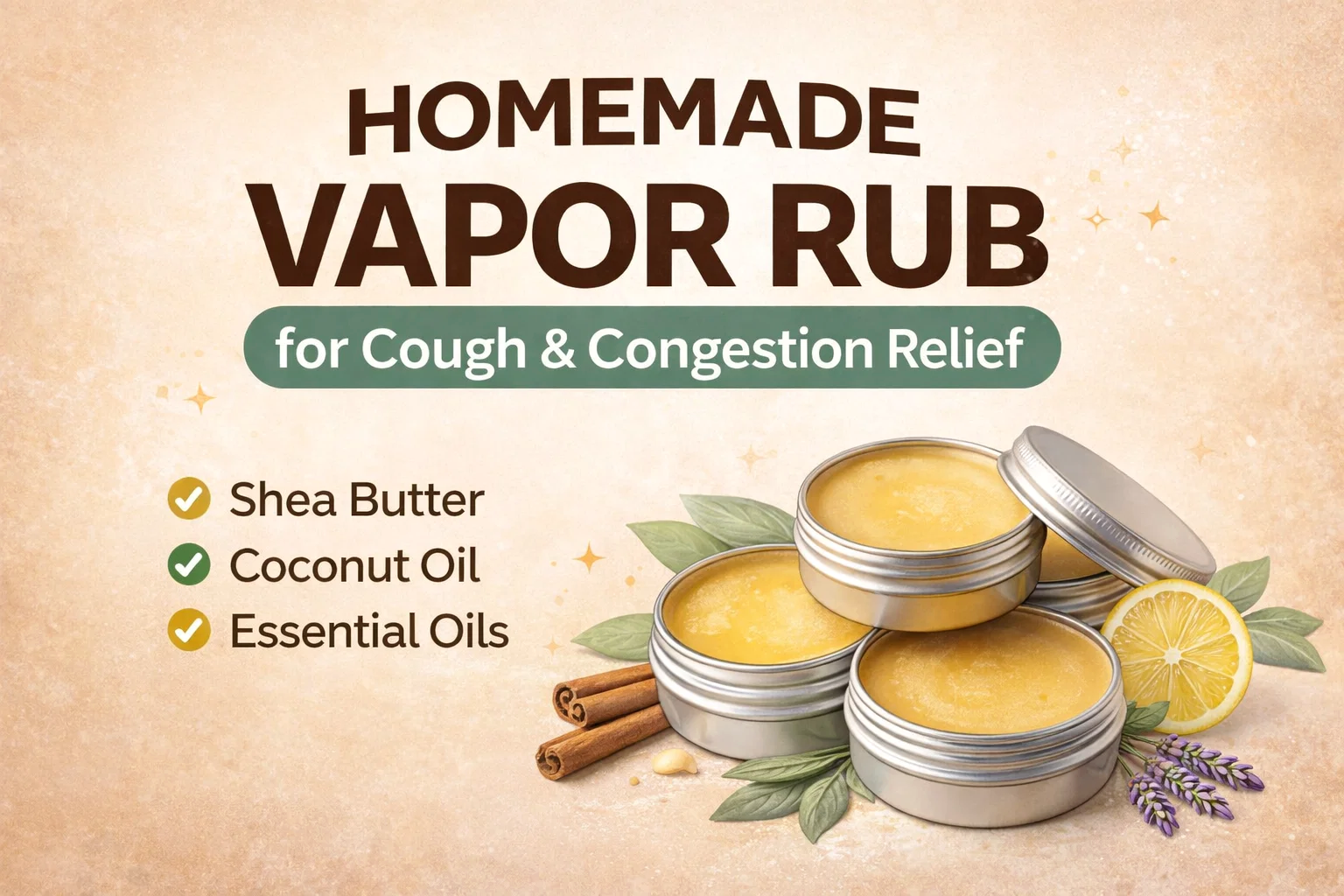
When the seasons change and the air turns crisp, it is almost inevitable that someone in the household will wake up with that telltale chest tightness or a nagging cough. For generations, many of us reached for those blue plastic tubs of store bought vapor rubs, but as we become more conscious of what we put on our skin, the demand for natural alternatives has skyrocketed. Making your own wellness products at home is not just a trend; it is a way to take control of the ingredients entering your home. This homemade vapor rub recipe is a powerhouse of plant based relief, combining the moisturizing properties of shea butter and coconut oil with the potent therapeutic benefits of pure essential oils. It is simple to make, cost effective, and most importantly, it works wonders for congestion and cough relief.
The Benefits of Going Natural with Your Chest Rub
Most commercial chest rubs rely on petroleum jelly as their base. Petroleum jelly is a byproduct of oil refining, and while it creates a barrier on the skin, it does not actually nourish it. Furthermore, synthetic fragrances used in mass produced products can often irritate the respiratory system rather than soothe it. By switching to a homemade version, you are eliminating these chemicals and replacing them with ingredients that offer genuine healing properties.
Shea butter and coconut oil do more than just carry the essential oils; they provide a luxurious, creamy texture that absorbs beautifully into the skin. Shea butter is rich in vitamins A and E, which help to protect and heal the skin, while coconut oil has natural antimicrobial properties. When you combine these with beeswax, you get a stable, spreadable salve that stays put on the chest or the bottoms of the feet, allowing the essential oils to do their job over several hours.
Understanding the Ingredients in Your DIY Vapor Rub
To create a truly effective remedy, you need to understand why each component is included. This recipe is carefully balanced to provide both physical comfort and aromatic relief. Here is a breakdown of the core ingredients found in this natural blend:
The Nourishing Base
- 1/4 Cup Shea Butter: This acts as the thick, creamy foundation of your rub. It ensures the mixture feels soft and high quality rather than greasy.
- 1/4 Cup Coconut Oil: Known for its quick absorption and skin soothing abilities, coconut oil helps the essential oils penetrate the skin efficiently.
- 2 Tablespoons Beeswax: The beeswax is the hardening agent. It gives the rub its structure, ensuring it does not turn into a liquid mess on a warm day.
The Power of Essential Oils
The real magic happens when you add the essential oils. Each oil in this recipe has been chosen for a specific purpose, targeting different symptoms of a cold or respiratory congestion:
- Eucalyptus (10 drops): This is the classic scent of vapor rub. Eucalyptus contains eucalyptol, which is famous for its ability to open up airways and break down mucus.
- Peppermint (10 drops): The menthol in peppermint provides a cooling sensation that can make breathing feel much clearer and more effortless.
- Frankincense (10 drops): Often called the king of oils, frankincense supports overall wellness and has anti inflammatory properties that can soothe a tired respiratory system.
- Lemon (5 drops): Lemon oil is bright and refreshing, providing a boost to the immune system while cutting through the heavier medicinal scents.
- Cinnamon (5 drops): Warm and spicy, cinnamon is another immune booster that brings a sense of comfort and heat to the blend.
- Lavender (3 drops): Rest is the most important part of recovery. Lavender helps to calm the nervous system and promote the relaxation needed for a good night of sleep.
Step by Step Instructions for Crafting Your Salve
Creating this vapor rub is a quick process that feels like a science experiment in your own kitchen. You do not need any fancy equipment, just a few basic kitchen tools and about fifteen minutes of your time.
First, you will want to set up a double boiler. If you do not have one, simply place a glass heat safe bowl over a pot of simmering water. Add your shea butter, coconut oil, and beeswax to the bowl. Stir the mixture occasionally as it melts. You want to ensure that the beeswax is completely liquefied, as any remaining granules will make the final rub feel gritty on the skin.
Once the base is completely melted and clear, remove the bowl from the heat. This is a crucial step: let the mixture cool for a few minutes before adding your essential oils. If the base is too hot, the heat can actually degrade the therapeutic properties of the oils. Once it has cooled slightly but is still in liquid form, carefully drop in your eucalyptus, peppermint, frankincense, lemon, cinnamon, and lavender.
Stir the mixture gently to ensure the oils are evenly distributed. Now, pour the liquid into small metal tins or glass jars. Let them sit undisturbed at room temperature until they have completely solidified. You will notice the color changing from a golden translucent liquid to a creamy, pale yellow solid. Once firm, pop the lids on, and your homemade remedy is ready for use.
How to Use Your Homemade Vapor Rub Effectively
While the most common way to use a vapor rub is on the chest, there are several ways to maximize the effectiveness of this natural balm. For chest application, rub a nickel sized amount onto the upper chest and neck. The warmth of your body will release the aromatic vapors, which you then inhale to help clear your nasal passages.
Another popular method is applying the rub to the bottoms of the feet. This is particularly effective before bed. After rubbing the salve onto your arches and heels, put on a pair of thick cotton socks. Many people find that this helps to reduce coughing throughout the night, allowing for much deeper rest. You can also apply a small amount to your temples if you are feeling a sinus headache coming on, though you should be very careful to avoid the eye area due to the potency of the peppermint and eucalyptus.
Safety Tips for Essential Oils
When working with essential oils, it is important to remember that they are highly concentrated plant extracts. Always perform a small patch test on your skin to ensure you do not have a sensitivity to any of the oils. If you are making this rub specifically for very young children, you may want to reduce the number of drops of peppermint and eucalyptus or consult with a professional, as their respiratory systems are more sensitive than those of adults.
Customizing Your Recipe
One of the best parts about DIY wellness is that you can tweak the recipe to suit your personal preferences. If you find the scent of peppermint too overwhelming, you can swap it for spearmint, which is slightly sweeter and milder. If you are making a batch specifically for nighttime use, you might increase the lavender to five or six drops to enhance the sedative effect.
For those who prefer a firmer rub that acts more like a stick deodorant, you can increase the beeswax by half a tablespoon. If you live in a very cold climate and find the rub is too hard to scoop out of the tin, try reducing the beeswax or increasing the amount of coconut oil. The flexibility of this recipe is what makes it a staple for any natural home.
Why Making Your Own Remedies Matters
Beyond the immediate health benefits, there is a profound sense of empowerment that comes from making your own medicine. In a world where we are often disconnected from the sources of our products, taking the time to melt wax and measure oils connects us back to traditional ways of healing. It encourages a slower, more intentional approach to health. Plus, these tins make incredible gifts for friends and family during the holidays or as part of a get well soon care package.
Economically, it makes a lot of sense too. While the initial investment in essential oils might seem high, you only use a few drops per batch. One bottle of eucalyptus oil can make dozens of tins of vapor rub, costing you a fraction of what you would pay for a high end natural brand at a boutique grocery store.
Final Thoughts on Natural Congestion Relief
Nature has provided us with an incredible array of tools to support our bodies during times of illness. This homemade vapor rub is a testament to the power of simple, raw ingredients. By combining the moisture of shea and coconut with the targeted relief of essential oils, you create a product that is safe, effective, and delightful to use. No longer do you have to worry about mysterious chemicals or greasy residues. Instead, you can breathe easy knowing exactly what is helping you recover.
Keep a few tins in your medicine cabinet, one in your travel bag, and maybe even one at your desk. The next time you feel a sniffle starting or a cough developing, you will be prepared with a natural solution that truly supports your well being. Happy making, and here is to a healthy, clear breathing season ahead.