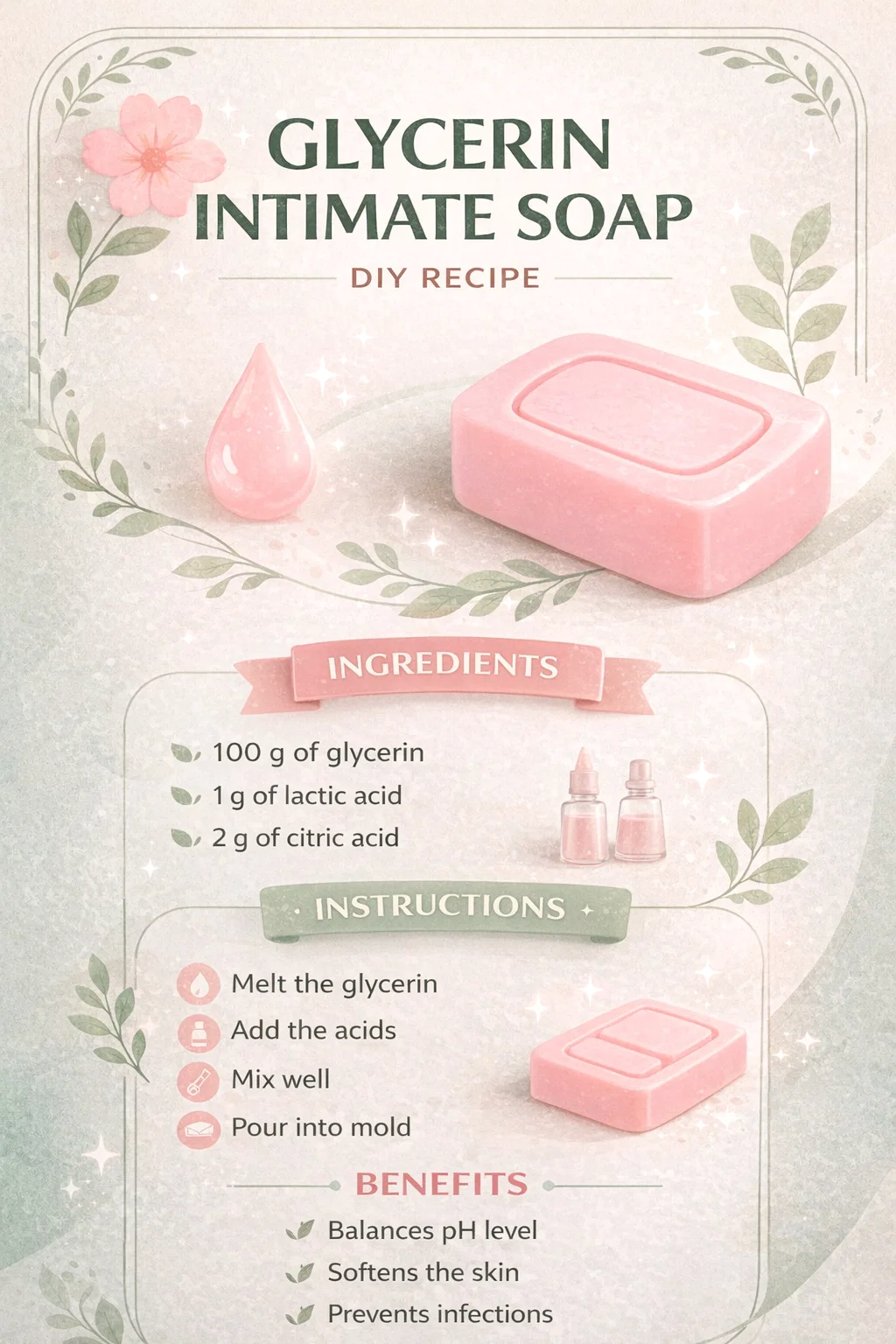
DIY Intimate Soap Recipe with Glycerin Lactic Acid for pH Balance
Creating your own personal care products is one of the most empowering steps you can take toward a holistic lifestyle. When it were talking about intimate hygiene, the stakes are even higher. The skin in these areas is incredibly delicate and has a specific ecosystem that requires a precise pH balance to stay healthy. Unfortunately, many commercial soaps are packed with harsh sulfates and synthetic fragrances that can disrupt this natural harmony. That is why this simple, three ingredient DIY intimate soap recipe with glycerin is such a game changer for your bathroom cabinet.
This recipe focuses on minimalism and effectiveness. By using a high quality glycerin base and augmenting it with lactic and citric acids, you are creating a product that cleanses without stripping away essential moisture or throwing your body’s chemistry out of alignment. If you have ever felt hesitant about making your own skincare, this melt and pour method is the perfect entry point. It requires no complex chemical handling and yields professional results in just a few minutes of active work time.
Understanding the Power of Glycerin in Personal Care
Glycerin is the unsung hero of the skincare world. It is a humectant, which means it has the unique ability to pull moisture from the air and lock it into the top layers of your skin. In an intimate wash, this is crucial. Unlike traditional lye soaps that can leave the skin feeling tight and dry, a glycerin soap base ensures that the cleansing process is accompanied by a boost of hydration.
For this specific recipe, using a clear or opaque glycerin base provides a stable medium to hold your active ingredients. It melts easily at low temperatures and sets quickly in molds, making the production process seamless. Beyond its moisturizing properties, glycerin is also hypoallergenic and non comedogenic, meaning it is unlikely to cause the breakouts or rashes often associated with heavier oil based cleansers.
The Science of pH Balance: Lactic and Citric Acids
The most important feature of any intimate wash is its acidity level. The average pH of healthy skin on the body is around 5.5, but the intimate area thrives at a much more acidic level, usually between 3.8 and 4.5. When you use a standard bar of soap with a high pH, you risk neutralizing this acidity, which can lead to discomfort or even infections.
The Role of Lactic Acid
Lactic acid is naturally produced by the beneficial bacteria in the intimate area. By adding exactly 1 gram of lactic acid to your 100 gram soap base, you are reinforcing the body’s natural defense mechanisms. It helps maintain that low pH environment that keeps unwanted bacteria at bay while gently exfoliating the skin to keep it soft.
The Role of Citric Acid
Citric acid acts as a secondary pH adjuster and a natural preservative. In this recipe, 2 grams of citric acid provide that extra boost needed to ensure the soap remains stable and effective. Together, these two acids transform a basic glycerin bar into a specialized medical grade hygiene tool that respects your body’s biology.
Step by Step Guide to Making Your Intimate Soap
Now that you understand the “why” behind the ingredients, let us get into the “how.” Follow these steps carefully to ensure your soap is mixed thoroughly and sets correctly.
- Step 1: Prepare the Glycerin: Cut your 100g glycerin block into small, even cubes. This helps it melt uniformly without overheating. Place the cubes in a heat safe glass bowl and use a double boiler or short 30 second bursts in the microwave until the liquid is smooth.
- Step 2: Add the Active Acids: Once the glycerin is liquid, remove it from the heat. Carefully weigh out your 1g of lactic acid and 2g of citric acid. Slowly stir them into the warm glycerin. You want to avoid creating too many air bubbles, so use a slow, steady folding motion.
- Step 3: Mix and Pour: Ensure the acids are fully dissolved. If you notice any graininess from the citric acid, keep stirring gently. Once clear, pour the mixture into a silicone soap mold. Silicone is best because it allows for easy removal once the bar has hardened.
- Step 4: Cooling and Curing: Let the soap sit at room temperature for at least two hours. Do not be tempted to put it in the freezer, as this can cause the glycerin to “sweat” later on. Once firm, pop it out and it is ready to use immediately.
The Benefits of Switching to DIY Intimate Hygiene
Why go through the effort of making your own soap when you can buy a bottle at the pharmacy? The benefits go far beyond just saving a few dollars. When you make it yourself, you have 100% transparency regarding what goes into the product. There are no hidden “parfums” or “stabilizers” that could cause long term irritation.
Maintains pH Equilibrium: As mentioned, the precise ratio of acids ensures your skin stays in its happy, acidic zone. This prevents the “rebound effect” where your skin overproduces oils or becomes overly sensitive after washing.
Skin Softening: The combination of glycerin’s moisture locking properties and the mild exfoliation of lactic acid leaves the skin feeling incredibly smooth. It is an excellent choice for those who experience irritation from shaving or wax treatments in sensitive areas.
Infection Prevention: A healthy pH is the first line of defense against common issues like yeast infections or bacterial vaginosis. By supporting the natural flora rather than killing it off with harsh detergents, you are practicing proactive wellness.
Tips for Success and Customization
While this recipe is excellent in its base form, you can tweak it slightly as you become more comfortable with the process. However, because this is for intimate use, you should always err on the side of caution. If you decide to add botanical extracts, make sure they are water soluble and skin safe.
Choosing the Right Mold
Since this is a daily use item, smaller molds are often better. Instead of one large 100g bar, consider using a mold that creates four 25g guest soaps. This keeps the soap fresher as you use it and makes it easier to travel with.
Storage Advice
Glycerin soap is “thirsty” and can attract moisture from a humid bathroom. To keep your bars from getting slimy, store them in a dry place or wrap them in biodegradable wax paper until you are ready to use them. Using a draining soap dish in the shower will also double the life of your handmade bar.
Safety First: Precautions to Keep in Mind
Even though these ingredients are natural, they are still active chemicals. Always wear gloves when handling concentrated lactic or citric acid before they are diluted into the soap. If you have extremely sensitive skin or a history of allergies, perform a small patch test on your inner arm with the finished soap before using it more widely.
Remember that this soap is intended for external use only. The body is remarkably good at cleaning itself internally, and your DIY soap is meant to support the external skin barrier and the immediate surrounding areas. If you experience any persistent burning or redness, discontinue use and consult with a healthcare professional.
Embracing a More Intentional Beauty Routine
Transitioning to handmade hygiene products is a journey toward intentionality. It forces us to look at labels, understand chemistry, and appreciate the complexity of our own bodies. This intimate soap recipe is more than just a cleaning product; it is a statement that you deserve high quality, tailored care that respects your biological needs.
In a world of mass produced, one size fits all solutions, taking twenty minutes to melt and pour your own soap is a beautiful act of self care. You will likely find that once you start making your own intimate wash, you will be inspired to look at your shampoos, lotions, and face washes with the same critical, creative eye. The path to glowing health starts with the simplest ingredients.
Conclusion
Taking control of your hygiene routine does not have to be complicated or expensive. With just a bit of glycerin and a precise touch of lactic and citric acids, you can create a professional grade intimate soap right in your kitchen. This recipe offers the perfect balance of hydration and acidity, ensuring that your most sensitive skin stays protected, soft, and healthy. Whether you are looking to prevent irritation or simply want to move toward a more natural lifestyle, this DIY project is a fantastic place to start. Give it a try this weekend and feel the difference that a pH balanced, handmade product can make for your body.
Would you like me to generate a list of the best silicone molds or specialized glycerin bases to use for this project?