DIY Lip Lightening Lip Balm Natural Beetroot Recipe for Pink Lips
Achieving soft, rosy, and naturally glowing lips is a goal for many beauty enthusiasts who prefer staying away from harsh chemicals and synthetic dyes. If you have noticed your lips becoming darker due to environmental factors, dehydration, or frequent use of heavy lipsticks, it might be time to switch to a more holistic approach. This DIY lip lightening lip balm is a game changer for anyone looking to restore their natural lip color while providing deep, long-lasting moisture. By using just three simple ingredients from your kitchen, you can create a luxurious treatment that rivals high-end boutique brands.
The Magic of Natural Ingredients for Lip Care
When it comes to the delicate skin on our lips, less is truly more. The lips lack oil glands, making them incredibly susceptible to dryness and pigmentation. Commercial balms often contain petroleum jelly or artificial fragrances that might offer temporary relief but do little to actually nourish the skin. By making your own balm at home, you have complete control over what goes onto your body. The combination of coconut oil, almond oil, and beetroot powder creates a powerhouse formula designed to hydrate, protect, and brighten simultaneously.
The Role of Coconut Oil in Deep Hydration
Coconut oil is a staple in the world of natural beauty for a reason. It is packed with medium-chain fatty acids that possess antimicrobial properties, helping to keep your lips healthy and free from infection. Because coconut oil is an emollient, it sinks deep into the layers of the skin rather than just sitting on top. This ensures that your lips stay hydrated for hours. Furthermore, coconut oil helps to strengthen the skin barrier, preventing moisture loss throughout the day, especially in harsh weather conditions.
Why Almond Oil is Essential for Lightening
While coconut oil provides the moisture, almond oil brings the healing power. Sweet almond oil is rich in Vitamin E and Vitamin K, both of which are known for their ability to lighten dark spots and improve skin tone. The antioxidants present in almond oil help to reverse oxidative stress, which is often a leading cause of lip darkening. Regularly applying almond oil helps to rejuvenate dead skin cells, leaving your lips looking fresh and revitalized. It is also incredibly lightweight, so it does not leave a greasy residue.
Beetroot Powder: Nature’s Perfect Tint
Beetroot is the star ingredient for achieving that sought after pink hue. It contains betalains, which are powerful antioxidants that give the vegetable its vibrant purple-red color. When used in a lip balm, beetroot powder acts as a natural stain. Unlike synthetic pigments that can dry out the skin, beetroot powder provides a healthy glow while nourishing the lips with Vitamin C. Over time, the natural bleaching properties of beetroot can help fade stubborn pigmentation, making your lips appear naturally lighter and more vibrant.
Step by Step Guide to Crafting Your Lip Balm
Creating this balm is a quick and satisfying process that only takes about ten minutes. You do not need any specialized laboratory equipment; a simple small pot and a clean container are all that is required. The key is to maintain low heat to ensure that the oils do not lose their beneficial nutrients during the melting process.
Gathering Your Supplies
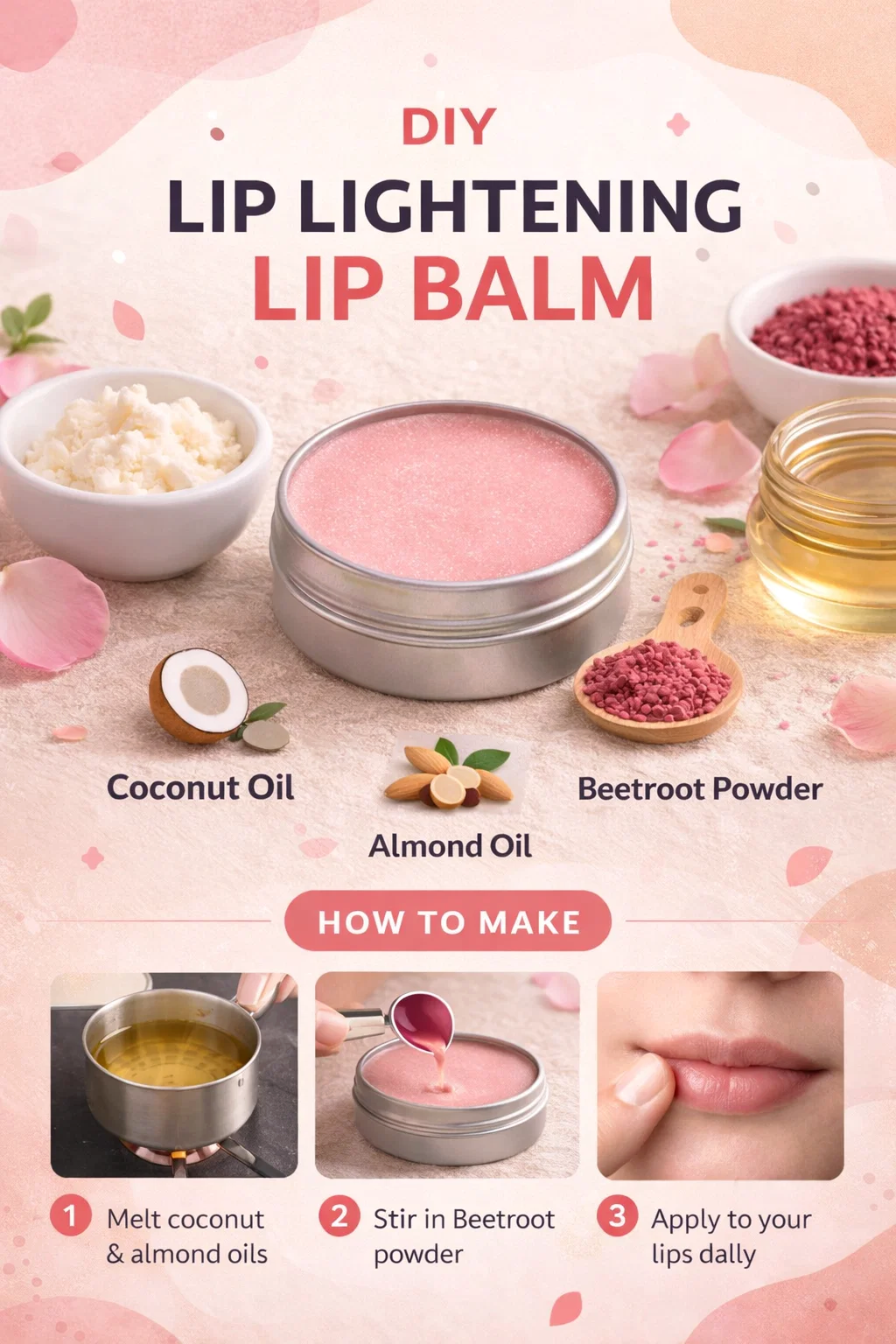
Before you begin, ensure that all your tools are clean and dry. You will need one tablespoon of organic cold-pressed coconut oil, one teaspoon of sweet almond oil, and half a teaspoon of fine beetroot powder. If you prefer a deeper tint, you can slightly increase the amount of beetroot powder, but remember that a little goes a long way. You will also need a small tin or a recycled lip balm tube to store your finished product.
The Melting and Mixing Process
Start by placing the coconut oil and almond oil in a small pot over very low heat. You want the oils to just turn into a liquid state without boiling. Once melted, remove the pot from the heat source. Gradually stir in the beetroot powder. It is important to whisk it thoroughly to avoid any clumps. If you find that the powder is not fully integrating, you can pass the mixture through a fine mesh strainer or a piece of cheesecloth for a perfectly smooth texture. Pour the liquid into your container and let it sit at room temperature for an hour, or pop it in the fridge for fifteen minutes to set quickly.
How to Use Your New Balm for Best Results
To see a noticeable difference in the color and texture of your lips, consistency is vital. This is not just a cosmetic product but a treatment that works better the more you use it. Applying a thin layer every morning provides a protective shield against the sun and pollution. For a more intensive treatment, apply a thicker layer before bed. This allows the almond oil to work its magic overnight while your body is in repair mode.
Exfoliation: The Secret Bonus Step
For the lip lightening balm to be most effective, it needs to reach the fresh skin underneath. Once or twice a week, try exfoliating your lips before applying the balm. You can make a simple scrub using sugar and a bit of the coconut oil. Gently rubbing this over your lips removes flaky, dead skin cells and improves blood circulation. Following up with your beetroot lip balm immediately after exfoliation will allow the oils to penetrate deeper and the tint to hold better.
Understanding the Causes of Lip Darkening
Knowing why lips darken can help you prevent future pigmentation. Many factors contribute to this change, and while genetics play a role, lifestyle choices are often the primary culprits. Excessive sun exposure is a major factor, as the skin on the lips is very thin and produces melanin to protect itself from UV rays. Smoking is another common cause, as nicotine and benzopyrene can lead to a condition known as smoker’s melanosis. Additionally, staying hydrated by drinking plenty of water throughout the day is just as important as the topical treatments you apply.
The Importance of Sun Protection
While our DIY balm is excellent for healing, it does not contain a high SPF. If you spend a lot of time outdoors, consider applying a layer of sunblock or a lip balm with SPF over your beetroot balm. This prevents the sun from undoing the lightening progress made by the almond oil and beetroot. Protecting your lips from the sun is one of the easiest ways to maintain a youthful and bright appearance.
Customizing Your DIY Lip Balm
The beauty of DIY recipes is the ability to customize them to your specific needs. If you find that your lips are extremely chapped during the winter, you might want to add a small amount of beeswax or shea butter to the mixture. This will give the balm a firmer consistency and provide a heavier barrier against the wind and cold. If you enjoy a pleasant scent, a single drop of peppermint or lavender essential oil can provide a refreshing aroma and additional therapeutic benefits.
Adjusting the Color Intensity
Everyone has a different preference when it comes to lip color. If you want a “your lips but better” look, keep the beetroot powder to a minimum. For those who want more of a lip stain effect, you can double the amount of powder. You can even experiment with other natural powders like hibiscus or raspberry for different shades of pink and red. The possibilities are endless when you are the formulator.
Why Homemade Beats Store Bought Every Time
Beyond the health benefits, making your own lip balm is incredibly cost effective. The ingredients for this recipe are affordable and can be used for dozens of batches or other beauty projects. Furthermore, you are reducing your environmental footprint by reusing containers and avoiding the plastic packaging associated with most drugstore brands. There is also a great sense of accomplishment in knowing exactly what goes into your skincare routine and seeing the positive results on your own face.
A Great Gift Idea for Friends and Family
Once you see how effective this DIY lip lightening balm is, you will likely want to share it. These balms make wonderful gifts for birthdays, holidays, or as part of a homemade spa kit. Because the ingredients are natural, they are generally safe for everyone, including children and those with sensitive skin. You can decorate the tins with cute labels to give them a professional, artisanal look.
Maintaining the Quality of Your Balm
Since this recipe does not contain synthetic preservatives, it is best to make it in small batches that you can use within two to three months. Store your balm in a cool, dry place away from direct sunlight. If you live in an extremely hot climate, the coconut oil might soften significantly, so keeping it in the refrigerator can help maintain its solid structure and provide a cooling sensation when applied.
Signs Your Balm is Working
Do not expect an overnight transformation, as natural remedies work gradually. Within the first week, you should notice that your lips feel significantly softer and less prone to cracking. By the end of the first month of daily use, the subtle lightening effects of the almond oil and the natural tint of the beetroot should become more apparent. Your lips will look healthier, more hydrated, and naturally flushed with color.
Conclusion: Embrace Your Natural Beauty
Taking care of your lips does not require expensive treatments or complicated routines. This DIY lip lightening lip balm proves that nature provides everything we need to look and feel our best. By choosing coconut oil, almond oil, and beetroot, you are feeding your skin the vitamins and minerals it craves. Transitioning to natural lip care is a small step that makes a big impact on your overall wellness and confidence. So, head to your kitchen, whip up a batch of this rosy goodness, and enjoy the journey to brighter, softer, and more beautiful lips. Save this recipe and share it with someone who loves natural beauty as much as you do!