DIY Natural Deodorant Recipe for Sensitive Skin – Aluminum Free No Baking Soda Rash
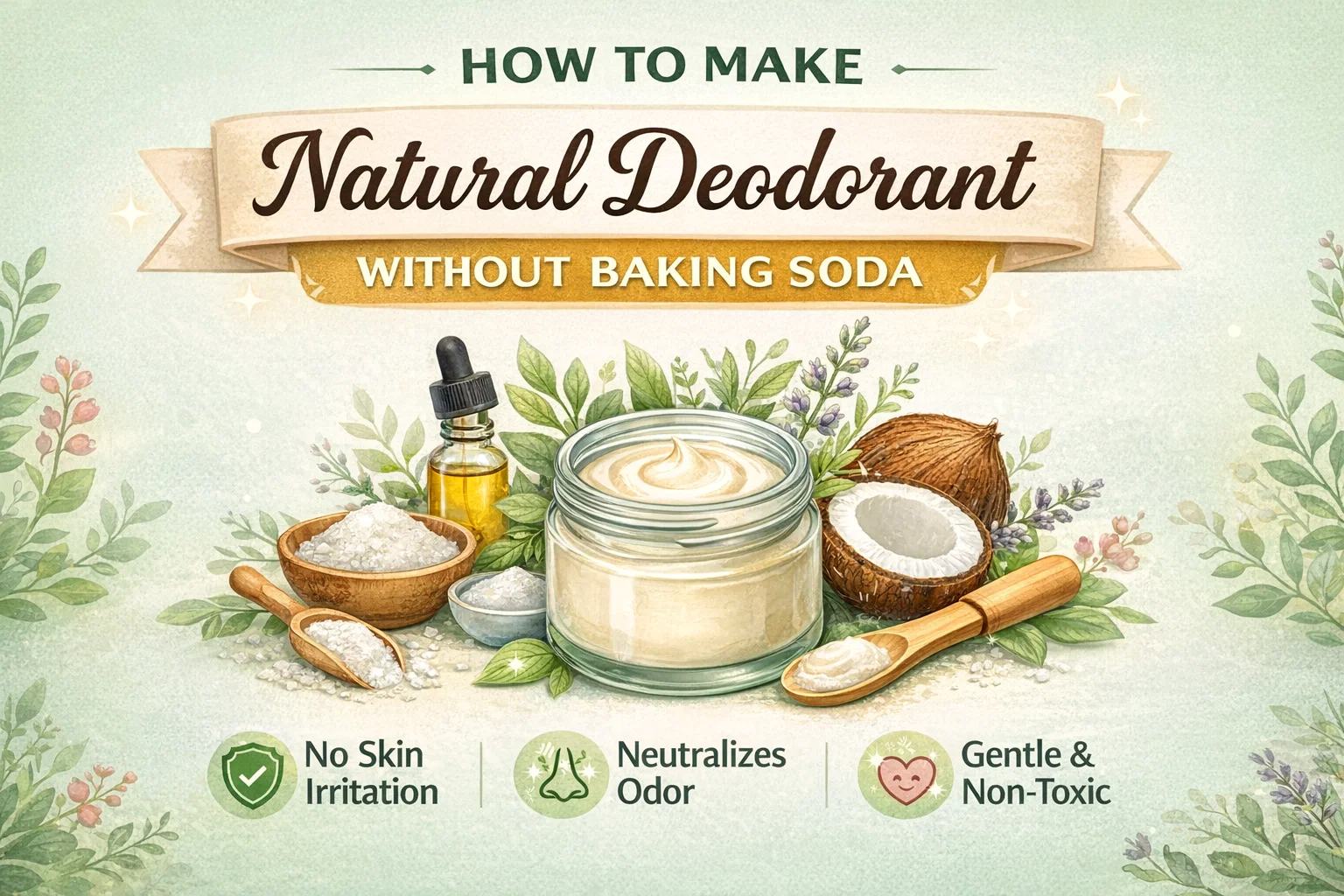
Switching to a natural lifestyle often feels like a series of small victories until you hit the deodorant wall. We have all been there. You find a clean, aluminum free brand that smells like a dream, only to wake up three days later with a painful, red baking soda rash. It is frustrating to feel like you have to choose between smelling fresh and having healthy skin. But what if you did not have to compromise? The image of this creamy, botanical infused deodorant paste represents a breakthrough for anyone with sensitive underarms. This is not just another DIY project. It is a functional, science backed alternative to the harsh chemicals found in traditional antiperspirants and even many natural alternatives.
The Problem with Conventional Deodorants and Standard Natural DIYs
To understand why this specific recipe is such a game changer, we first need to look at what is currently sitting on most bathroom counters. Conventional antiperspirants rely heavily on aluminum salts. These salts work by physically plugging your sweat ducts to prevent perspiration. While staying dry is the goal, interfering with the body’s natural cooling process and introducing heavy metals into a sensitive area near lymph nodes is a concern for many health conscious individuals.
When people make the switch to natural options, they often reach for recipes containing baking soda (sodium bicarbonate). While baking soda is an incredible odor neutralizer, it is also highly alkaline. Human skin is naturally slightly acidic, sitting at a pH of around 5.5. Baking soda has a pH of about 9. When you apply such a basic substance to your armpits, it disrupts the skin’s acid mantle, leading to the dreaded baking soda rash that looks like a chemical burn. This is exactly why the recipe in our guide focuses on magnesium hydroxide instead.
Deconstructing the Gentle Recipe Ingredients
The beauty of this natural deodorant paste lies in its simplicity and the specific roles each ingredient plays. You do not need a chemistry degree to understand why these four components work so well together to keep you fresh and comfortable.
Coconut Oil: The Antibacterial Base
Coconut oil is the foundation of this paste. It provides a smooth, spreadable consistency that melts into the skin upon contact. Beyond its texture, coconut oil contains lauric acid, which possesses natural antibacterial and antifungal properties. Since body odor is actually caused by bacteria breaking down sweat rather than the sweat itself, starting with an antibacterial base is the first line of defense against smells.
Arrowroot Powder: The Moisture Absorber
One of the biggest complaints about natural deodorants is the feeling of wetness. While this recipe is not an antiperspirant (it allows your body to breathe), arrowroot powder acts as a powerful natural starch that absorbs excess moisture. It is much finer and gentler than cornstarch, making it ideal for the delicate skin of the underarms. It leaves a silky, powdery finish that prevents that greasy feeling some oil based DIYs can have.
Magnesium Hydroxide: The Secret Weapon
This is the star of the show. Magnesium hydroxide is commonly found in milk of magnesia. It is an excellent odor neutralizer but has a much lower pH than baking soda. This means it can kill odor causing bacteria without stripping your skin or causing irritation. Using magnesium ensures that even those with the most reactive skin can stay odor free all day long. Plus, many of us are magnesium deficient, and while the transdermal absorption from a deodorant is small, every little bit of this essential mineral helps.
Essential Oils: Optional Fragrance with Benefits
Adding essential oils allows you to customize your scent profile. Lavender is a classic choice for its soothing properties and pleasant floral aroma. Tea tree oil is another fantastic addition because it adds an extra punch of antimicrobial power. If you have extremely sensitive skin, you can leave these out entirely and still have a highly effective, unscented product.
Step by Step Guide to Making Your Deodorant Paste
Making your own personal care products can feel intimidating, but this process is as simple as making a batch of cookies. Follow these four steps to create a professional quality paste at home.
1. Melting the Coconut Oil
Start by gently melting 1/4 cup of coconut oil. You can do this in a microwave in short bursts or using a double boiler method on the stove. You want it to be liquid but not boiling hot. If the oil is too hot, it can degrade the quality of your essential oils later in the process.
2. Whisking in the Arrowroot Powder
Once your oil is liquid, slowly whisk in 1/4 cup of arrowroot powder. Use a small whisk or a fork to ensure there are no clumps. You want a completely smooth, milky consistency. Taking the time to whisk thoroughly here ensures that the final product feels luxurious on your skin rather than gritty.
3. Integrating the Magnesium
Add 2 tablespoons of magnesium hydroxide to the mixture. Again, whisk until the texture is creamy and uniform. This is the point where the mixture begins to thicken slightly. If you are adding essential oils, now is the time to stir in your 10 drops of lavender or tea tree oil. The scent will be concentrated in the jar but will mellow out once applied to your skin.
4. Solidifying and Storage
Pour the liquid mixture into a small glass jar. A 2 ounce or 4 ounce mason jar works perfectly. Let it sit at room temperature or pop it in the fridge for 20 minutes to speed up the solidification process. In warmer climates, coconut oil can become very soft, so you may prefer to store your jar in a cool, dark place to maintain that perfect paste consistency.
How to Use Your New Natural Deodorant
Transitioning from a twist up stick to a paste requires a slight change in routine, but many people find they actually prefer the control a paste provides. To apply, use a pea sized amount for both underarms. It is important not to over-apply, as a little goes a long way. Warm the paste between your fingertips for a second to melt it, then massage it into clean, dry skin.
Applying it like a lotion ensures that the magnesium and arrowroot are evenly distributed. It also gives you a moment to check in with your body. Because this recipe is so gentle, you can even apply it immediately after shaving without the stinging sensation common with alcohol based or baking soda based products.
Navigating the Detox Period
If you are switching from a lifetime of clinical strength antiperspirants to a natural DIY, your body might go through an adjustment phase known as the detox period. This is completely normal and is a sign that your sweat glands are finally clear and functioning properly.
During the first week or two, you might notice that you are sweating more than usual. This is simply your body flushing out built up toxins and regulating itself. You might also find that your natural scent is stronger for a few days. Do not get discouraged! By week three, most people find that their body chemistry stabilizes. You will likely notice that you actually sweat less naturally over time and that the deodorant paste works even better than the chemical versions you used to rely on.
Why This Method is Better for Your Long Term Health
Choosing to make your own deodorant is more than just a fun weekend craft. It is an investment in your long term wellness. By removing synthetic fragrances, you are reducing your exposure to phthalates, which are known endocrine disruptors. By removing aluminum, you are allowing your lymphatic system to function without interference.
Furthermore, the environmental impact of DIYing your personal care cannot be overstated. By reusing glass jars and buying ingredients like arrowroot and magnesium in bulk, you are significantly reducing the amount of plastic waste that ends up in landfills. It is a win for your body and a win for the planet.
Conclusion: Embrace the Natural Glow
Transitioning to a natural deodorant does not have to be a trial by fire. With the right ingredients and a gentle approach, you can stay fresh, dry, and rash free. This magnesium based paste offers a sophisticated solution to a common problem, proving that you do not need harsh chemicals to achieve great results. Whether you are looking to save money, reduce your toxic load, or simply find a product that does not irritate your skin, this recipe is the answer. Give your underarms the care they deserve and enjoy the peace of mind that comes with knowing exactly what is going onto your skin every single day.