DIY Nettle Mineral Vinegar Recipe Herbal Apple Cider Vinegar Tonic for Natural Wellness
Stepping into the world of traditional herbalism often feels like reclaiming a lost art. There is something deeply grounding about transforming simple, dried leaves and a bottle of vinegar into a potent, mineral-rich tonic that supports your body from the inside out. Nettle mineral vinegar is one of those foundational recipes that every home apothecary should have on their shelf. It is not just a condiment; it is a functional extraction designed to pull the life-giving nutrients out of the stinging nettle plant and deliver them in a form that is easy for our digestive systems to recognize and absorb. If you have been looking for a natural way to boost your daily nutrient intake without relying on synthetic pills, this bright and earthy tonic is the perfect place to start.
Understanding the Power of Nettle Leaf
Stinging nettle, or Urtica dioica, is often dismissed as a pesky weed because of the tiny, silica-rich hairs on its fresh leaves that can cause a temporary sting. However, in the world of herbal medicine, nettle is a superstar. It is widely considered one of the most nutritive plants on the planet. When we dry the leaves, the stinging mechanism is neutralized, leaving behind a powerhouse of vitamins and minerals. Nettle is particularly famous for its high content of iron, calcium, magnesium, and potassium. It also contains vitamins A, C, and K, as well as several essential B vitamins.
The Benefits of a Mineral-Support Preparation
The beauty of a nettle infusion is its bio-availability. While many supplements are difficult for the body to break down, the minerals in nettle are stored in a way that our bodies can easily utilize. Traditionally, herbalists have used nettle to support kidney health, improve energy levels, and strengthen hair, skin, and nails. By infusing these leaves into vinegar, we are using an acidic medium to draw out these minerals more effectively than water alone might do. This results in a “functional everyday tonic” that acts as a gentle, nutritive boost for your entire system.
Why Use Apple Cider Vinegar as a Solvent?
Not all vinegars are created equal when it comes to herbal extractions. For a mineral vinegar, raw apple cider vinegar is the gold standard. It is essential to choose a variety that contains “the mother,” which is the cloudy string of proteins, enzymes, and friendly bacteria that gives the vinegar its probiotic properties. The acetic acid in the vinegar acts as the solvent, breaking down the plant cell walls to release the minerals into the liquid.
The Synergy of Vinegar and Minerals
There is a specific reason why vinegar is used for mineral extractions rather than alcohol (which is used for tinctures). While alcohol is great at extracting volatile oils and alkaloids, acid is far superior at pulling out minerals like calcium and magnesium. When you consume a nettle-infused vinegar, the acidity also helps your stomach prime itself for better digestion, making it a double win for your gut health. The earthy, hay-like flavor of the nettle balances perfectly with the sharp, fruity tang of the apple cider vinegar.
Step-by-Step Guide to Crafting Your Nettle Vinegar
The process of making this tonic is remarkably simple, but it requires patience. Because this is a slow infusion, the magic happens over the course of several weeks as the vinegar works its way into the dried plant material. Follow these steps to ensure a successful and shelf-stable batch.
1. Preparing Your Vessel
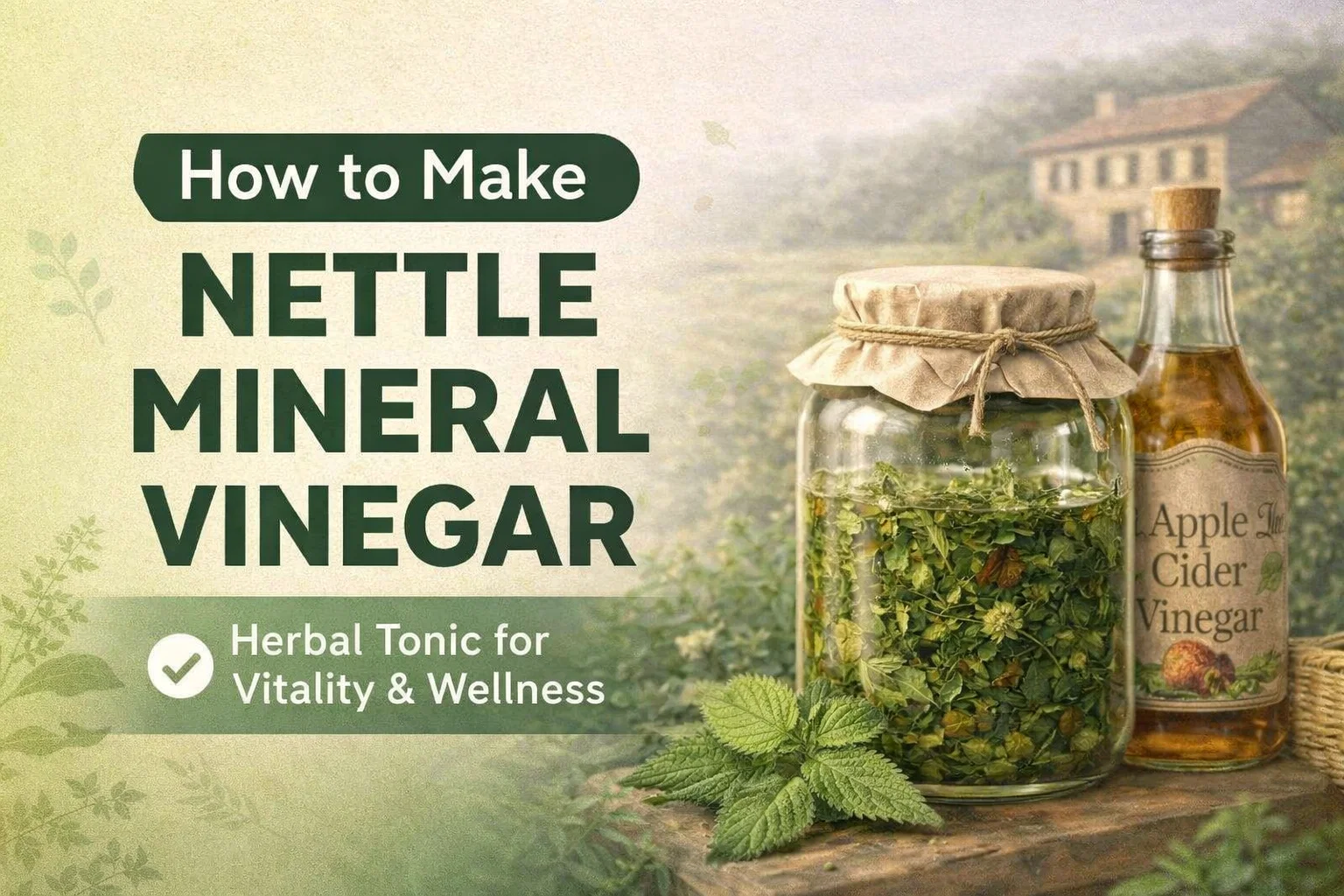
Start with a clean, completely dry glass jar. Any moisture left in the jar can introduce bacteria or mold, which will ruin your infusion. Using a pint-sized wide-mouth mason jar is usually the easiest method for the measurements provided in the recipe. Fill the jar with one cup of dried nettle leaf. If you are choosing to add the optional red raspberry leaf, you can mix that in now. Raspberry leaf adds a lovely, gentle toning quality to the blend and contributes its own set of unique trace minerals.
2. The Infusion Process
Pour your raw apple cider vinegar over the herbs. You want to make sure the herbs are fully submerged by at least half an inch. Dried herbs tend to float and expand as they soak up liquid, so use a clean wooden spoon to press down the material and release any trapped air bubbles. Air is the enemy of a good infusion, as it can lead to oxidation or spoilage. Ensure there is plenty of liquid covering the top of the herbs.
3. Capping and Storage
This is a critical step that many beginners overlook. The acetic acid in vinegar will eventually corrode metal lids. To avoid a metallic taste or rust in your tonic, use a plastic, non-metal lid. If you only have metal lids on hand, simply place a piece of parchment paper between the jar and the lid to create a protective barrier. Store your jar in a cool, dark place, such as a kitchen cupboard or a pantry. Avoid direct sunlight, as heat and light can degrade the nutrients you are trying to capture.
4. The Four Week Wait
Your vinegar needs about four weeks to reach its full potential. During this time, give the jar a gentle shake every few days. This helps circulate the vinegar and ensures that all parts of the plant material are being extracted equally. After the month is up, strain the liquid through a fine-mesh sieve or cheesecloth into a clean glass bottle. Squeeze the herbs tightly to get every last drop of that mineral-rich goodness before composting the spent leaves.
How to Incorporate Nettle Vinegar Into Your Daily Life
Once your vinegar is ready, you might wonder how to actually use it. Unlike a traditional tincture that you might take by the dropperful, this is a food-based medicine that can be integrated into your meals and drinks in various ways.
- The Morning Tonic: Take one tablespoon of your nettle vinegar and dilute it in a large glass of water. Drinking this in the morning can help wake up your digestive system and provide a gentle energy boost without the crash of caffeine.
- The Perfect Salad Dressing: Use your infused vinegar as the base for a vinaigrette. Whisk it with olive oil, a little honey, and some Dijon mustard for a dressing that turns a simple salad into a nutritional powerhouse.
- Soup and Stew Finisher: A splash of acid at the end of cooking can brighten the flavors of a heavy soup or stew. Adding a tablespoon of nettle vinegar to a pot of lentil soup or bone broth adds depth of flavor and extra minerals.
- Sautéed Greens: Drizzle a small amount over sautéed spinach or kale. The acid helps break down the greens and makes the nutrients in the vegetables more accessible.
Long-Term Storage and Safety
Proper storage is the key to making your herbal preparations last. Once strained, your nettle mineral vinegar should be kept in a sealed glass bottle. While it is shelf-stable in a cool, dark place, some people prefer to keep it in the refrigerator to maintain its freshness and flavor for a longer period. Generally, this tonic is best used within six to twelve months. Always check for any off-smells or signs of mold before use, though the high acidity of the vinegar usually prevents any issues.
A Note on the Ingredients
While nettle is generally considered very safe, it is always a good idea to consult with a healthcare provider if you are pregnant, nursing, or taking specific medications, especially those related to blood pressure or blood sugar. The optional addition of red raspberry leaf is highly recommended for those looking for a “toning” effect, particularly for reproductive health, but the nettle alone is more than enough to create a wonderful mineral supplement.
Final Thoughts on This Traditional Tonic
Creating your own nettle mineral vinegar is an empowering step toward self-sufficiency and natural wellness. It reminds us that we do not always need complex formulas or expensive imports to support our health. Often, the most effective remedies are the ones made from “weeds” and pantry staples. By taking the time to let these herbs steep for a month, you are participating in a slow-living tradition that honors the rhythm of nature and the wisdom of the plants. Whether you use it as a daily tonic or a culinary secret weapon, this vinegar is a beautiful testament to the power of functional, everyday nutrition. Happy infusing!