DIY Rainwater Filtration System Easy Charcoal Sand Water Filter
Access to clean water is one of the most fundamental needs for any household, yet many people remain entirely dependent on municipal systems that can be unreliable or expensive. If you have ever looked at a rainstorm and wondered how you could capture that resource for your garden, your livestock, or even emergency backup, you are in the right place. Creating your own filtration system is not just a project for extreme survivalists; it is a practical step toward a more sustainable and self-sufficient lifestyle. By using a few basic materials like gravel, charcoal, and sand, you can transform a simple wooden barrel into a powerful gravity-fed purifier that works around the clock with zero electricity. This guide will walk you through the science, the assembly, and the long-term benefits of building a DIY rainwater filter.
The Philosophy of Gravity-Fed Filtration
Before we dive into the nuts and bolts of the construction, it is important to understand why a gravity-fed system is so effective. Unlike modern high-pressure systems that require pumps and complex plumbing, a barrel filter relies on the natural force of gravity to pull water through various layers of media. This slow process is actually a benefit. As the water trickles down, it has more contact time with the filtering agents, allowing for a more thorough cleaning process. This method mimics how the Earth naturally filters groundwater through layers of soil and rock before it reaches an underground aquifer. By replicating this in a barrel, you are essentially creating a miniature ecosystem designed for purification.
Why Choose a Barrel System?
Wooden or food-grade plastic barrels are ideal for this project because they are durable, easy to modify, and hold a significant volume of water. A standard barrel provides enough surface area for substantial layers of filtration media, ensuring that the water flowing out of the spigot at the bottom has been properly processed. Furthermore, these systems are incredibly cost-effective. Most of the materials required can be found at a local hardware store or even harvested from your own property, making this one of the most accessible DIY projects for those looking to reduce their environmental footprint.
The Essential Layers of an Effective Filter
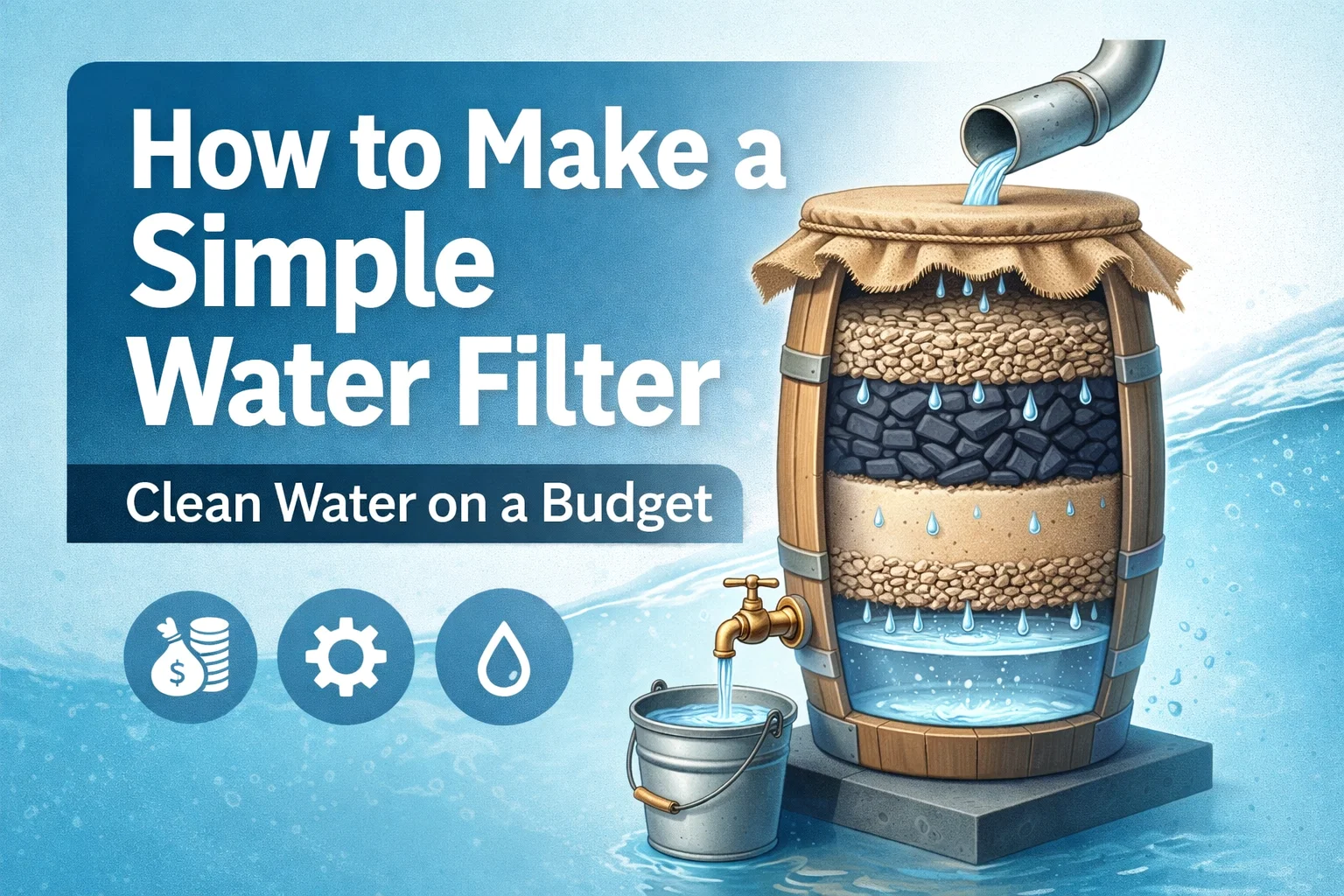
The secret to a successful water filter lies in the layering. Each material serves a specific purpose, targeting different types of impurities. When you stack these materials correctly, you create a multi-stage defense system that catches everything from large leaves to microscopic particles. Let us break down the components shown in our design and explain why each one is vital to the process.
The Top Layer: Cloth Cover and Gravel
The first line of defense starts before the water even hits the internal layers. A sturdy cloth cover, such as burlap or a fine mesh, is stretched over the top of the barrel. This prevents large debris like twigs, leaves, and insects from entering the system. Once the water passes through the cloth, it hits a thick layer of gravel. The gravel acts as a primary mechanical filter, trapping smaller pieces of sediment and preventing the finer layers below from becoming clogged too quickly. It also helps to distribute the incoming water evenly across the surface of the next layer, preventing a single channel from forming in the filter media.
The Middle Layer: The Power of Charcoal
Charcoal is arguably the most important part of any DIY filter. It is not just there for bulk; it works on a chemical level through a process called adsorption. Activated charcoal has a massive surface area filled with tiny pores that trap organic compounds, chemicals, and even some bacteria. This layer is responsible for removing unpleasant odors and tastes from the water, ensuring that the final product is fresh and clear. While you can use regular lump charcoal, ensuring it is crushed into smaller pieces will increase the surface area and improve the overall efficiency of the filtration process.
The Bottom Layer: Fine Sand
After the water has been treated by the charcoal, it moves into a dense layer of fine sand. Sand filtration is a time-tested method for removing the smallest suspended solids. The gaps between the grains of sand are so tiny that they catch the minute particles that managed to slip past the gravel and charcoal. By the time the water reaches the bottom of the sand layer, it has undergone a rigorous physical and chemical cleaning process. This layer ensures that the water sitting at the bottom of the barrel is visually clear and free of grit.
Step by Step Assembly Guide
Building your filter requires a bit of preparation, but the assembly is straightforward. You will want to start with a clean, food-grade barrel to ensure no toxic chemicals leach into your water. Follow these steps to get your system up and running.
- Install the Spigot: Before adding any layers, drill a hole near the base of the barrel and install a high-quality spigot. Ensure you use rubber gaskets on both the inside and outside to create a watertight seal. This is where your clean water will exit, so a secure fit is crucial.
- Create a Reservoir Space: It is a good idea to have a small space at the very bottom where the filtered water can collect. You can achieve this by placing a small perforated platform or a thin layer of very large stones around the spigot intake to prevent the sand from blocking the flow.
- Add the Layers in Reverse: Start by pouring in your sand layer, followed by the charcoal, and then the gravel. Make sure each layer is level and firmly packed. The thickness of each layer can vary, but generally, the charcoal and sand should be the thickest sections.
- Secure the Cloth Cover: Wrap your burlap or cloth over the top and secure it with a heavy-duty cord or a metal hoop. This keeps the filter clean from external contaminants.
Positioning for Maximum Efficiency
Since this is a gravity-fed system, elevation is your best friend. Placing the barrel on a sturdy wooden stand or a stack of cinder blocks is essential. This height provides the pressure needed for the water to flow out of the spigot and into your collection bucket. If you are connecting this to a gutter system, ensure the downspout is positioned directly over the center of the cloth cover to maximize the amount of rainwater captured during a storm.
Maintenance and Longevity
A DIY filter is not a set-it-and-forget-it project. To keep the water quality high, you must perform regular maintenance. Over time, the top layers will accumulate silt and organic matter, which can slow down the flow of water. Every few months, you should remove the top layer of gravel and wash it thoroughly. The cloth cover should also be laundered or replaced if it becomes heavily soiled.
When to Replace the Media
The charcoal layer has a limited lifespan because its pores eventually become saturated with the toxins it has adsorbed. Depending on the volume of water you filter, you should aim to replace the charcoal and sand at least once a year. This ensures that the chemical filtration remains effective. If you notice a change in the taste or smell of the water, it is a clear sign that the charcoal has reached its capacity and needs a fresh start.
The Benefits of Sustainable Water Harvesting
Integrating a system like this into your home offers more than just a fun weekend project. It represents a shift toward a more resilient way of living. In many parts of the world, water scarcity is a growing concern. By capturing and filtering rainwater, you reduce the demand on local infrastructure and ensure that you have a dedicated supply for your landscape or emergency needs. It is an empowering feeling to know that you can provide for your basic needs using nothing more than what falls from the sky and a few buckets of earth-based materials.
Educational Value for the Family
Building a barrel filter is also a fantastic educational tool for children and teenagers. It provides a hands-on lesson in physics, chemistry, and environmental science. Seeing the transformation from murky rainwater to clear, filtered water helps younger generations understand the value of resources and the ingenuity required to live sustainably. It encourages a mindset of problem-solving and stewardship that is invaluable in the modern world.
Essential Safety Tips
While this filtration system is excellent for removing sediment, odors, and many organic impurities, it is important to remember that it may not remove all microscopic pathogens or heavy metals, depending on the source of your water. If you intend to use this for drinking water, it is highly recommended to boil the water or use an additional purification tablet after it has passed through the barrel filter. Always test your water periodically using a home testing kit to ensure the levels of bacteria and chemicals are within a safe range.
Using Clean Materials
The quality of your filtered water is only as good as the materials you put into the barrel. Always use clean, washed gravel and sand. If you are using charcoal from a campfire, make sure it was made from natural wood without any chemical fire starters or additives. Using contaminated materials at the start will defeat the purpose of the filter and could potentially introduce harmful substances into your water supply.
Final Thoughts on Your DIY Journey
Taking the step to build your own water filtration system is a rewarding endeavor that connects you more deeply with the natural world. It proves that you do not always need expensive technology to solve vital problems. With a wooden barrel, some basic materials from the earth, and a bit of elbow grease, you can create a reliable system that serves your household for years to come. Whether you are aiming for complete off-grid independence or just want a better way to water your organic garden, this gravity-fed filter is a perfect addition to any sustainable home. Start gathering your materials today and enjoy the peace of mind that comes with mastering a new, essential skill.