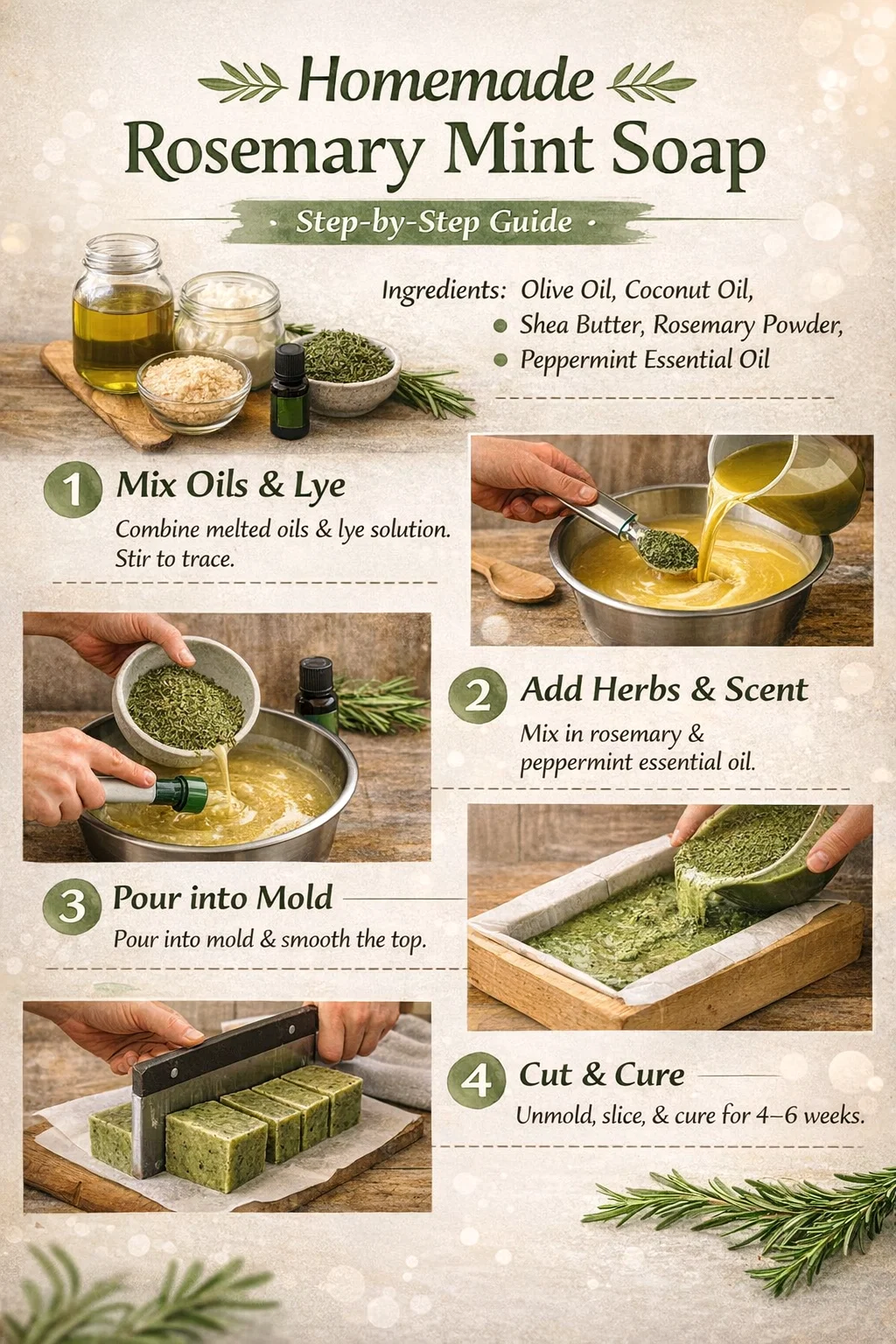
DIY Renewal Rosemary Mint Soap Recipe Step-by-Step Guide for Beginners
There is something inherently magical about the process of soap making. It is a craft that bridges the gap between ancient alchemy and modern self-care, allowing you to transform simple, raw ingredients into a functional piece of art. When you incorporate the aromatic power of rosemary and the cooling sensation of peppermint, you are not just making a bar of soap; you are creating a ritual of renewal. This specific blend is designed to wake up the senses, clear the mind, and provide a deep, nourishing cleanse that leaves your skin feeling vibrant and alive. Whether you are looking to reduce your household waste, control the ingredients in your skincare, or find a meditative hobby, crafting your own Rosemary Mint soap is a perfect place to start.
The Philosophy of Renewal in Skincare
In our fast paced world, the bathroom is often the only place where we can truly find a moment of peace. The concept of Renewal goes beyond just getting clean. It is about shedding the stresses of the day and stepping out of the shower feeling like a brand new person. Using natural herbs like rosemary and stimulating oils like peppermint facilitates this transition. Rosemary has long been associated with memory and mental clarity, while peppermint is famous for its ability to provide a natural energy boost. When these two botanical powerhouses meet in a base of skin-loving fats, the result is a holistic experience that treats both the body and the soul.
Why Choose Handmade Soap Over Commercial Bars?
Most mass-produced soaps found on supermarket shelves are technically detergents rather than true soap. They often have the natural glycerin removed to be sold separately in expensive lotions, leaving behind a bar that can be harsh and drying. When you make your soap at home using the cold process method, the glycerin remains in the bar, acting as a natural humectant that draws moisture to your skin. Furthermore, you have total control over the scent profile and the physical exfoliants, ensuring that every wash is a luxury experience tailored to your specific needs.
Essential Ingredients for a Nourishing Batch
To create a bar that is both cleansing and moisturizing, you need a balanced profile of fats. Each oil brings a different characteristic to the final product, from the size of the bubbles to the hardness of the bar. For this Renewal Rosemary Mint recipe, we focus on a trio of high quality ingredients that guarantee a professional result.
- Olive Oil: The backbone of many traditional soaps, olive oil provides a gentle, conditioning lather that is suitable for even the most sensitive skin types.
- Coconut Oil: This is what gives the soap its incredible cleansing power and creates those large, fluffy bubbles we all love.
- Shea Butter: To add a touch of luxury, shea butter contributes to a creamy lather and leaves a protective, moisturizing layer on the skin after rinsing.
- Rosemary Powder: This acts as a natural colorant, giving the soap a beautiful earthy green hue, and provides very mild exfoliation.
- Peppermint Essential Oil: The star of the show for scent, providing that signature cooling tingle and refreshing aroma.
The Science of Saponification
At its heart, soap making is a chemical reaction called saponification. This occurs when an acid (your oils and fats) reacts with a base (sodium hydroxide, or lye). While the idea of working with lye can be intimidating for beginners, it is a safe and manageable process when you follow basic safety protocols. Once the lye and oils are mixed and left to cure, the lye is completely transformed, leaving behind nothing but pure soap and glycerin. Understanding this transformation allows you to appreciate the chemistry happening right in your kitchen.
Safety First: Handling Lye
Before you begin, ensure you are wearing long sleeves, gloves, and eye protection. Always work in a well ventilated area. A golden rule of soap making is to always add your lye to your water, never the other way around, to prevent a “lye volcano.” Keep your workspace clear of distractions so you can focus entirely on the measurements and temperatures.
Step-by-Step Guide to Crafting Rosemary Mint Soap
Creating this soap involves a series of rhythmic steps that require patience and precision. By following this guide, you will move from raw liquids to beautiful, scented bars that look as good as they smell.
Step 1: Mix Your Oils and Lye Solution
Begin by melting your solid fats, like coconut oil and shea butter, and combining them with your liquid olive oil. In a separate heat-safe container, prepare your lye solution by carefully mixing the sodium hydroxide into distilled water. Once both the oils and the lye water have cooled to a similar temperature (usually between 90 and 110 degrees Fahrenheit), slowly pour the lye solution into the oils. Use a stick blender to stir the mixture until it reaches “trace.” Trace is the point where the mixture has thickened to the consistency of a thin pudding, and a spoonful drizzled over the surface leaves a visible trail.
Step 2: Incorporate Herbs and Scent
Once you have achieved a stable trace, it is time to add the botanical elements. Fold in your rosemary powder gently. You will notice the batter take on a lovely, natural green color. Next, add the peppermint essential oil. The scent will be quite strong at this stage, but it will mellow and become perfectly balanced during the curing process. Ensure everything is mixed thoroughly so the scent and color are even throughout the entire batch.
Step 3: The Pour and Texture
Carefully pour your soap batter into your chosen mold. Wood molds lined with freezer paper or silicone molds work best for easy removal. Once the batter is in, tap the mold firmly on the counter to release any trapped air bubbles. You can leave the top smooth or use a spoon to create textured peaks and valleys for a more rustic, handmade look.
The Patience of Setting and Cutting
One of the hardest parts of soap making is the waiting. After pouring, the soap needs to sit undisturbed for 24 to 48 hours. During this time, the saponification process finishes, and the bars begin to harden. Cover the mold with a piece of cardboard and a towel to keep the heat in, which helps the soap go through a “gel phase” for more vibrant colors.
Unmolding Your Creation
After the initial waiting period, gently pull the sides of the mold away from the soap. If it feels firm to the touch, you can unmold it onto a clean surface. Using a dedicated soap cutter or a large, sharp knife, slice the loaf into individual bars. This is the moment where you finally get to see the beautiful internal texture created by the rosemary powder.
The Importance of the Curing Phase
While the soap is technically safe to use after it has hardened, it is not yet ready for the shower. Cold process soap requires a curing period of 4 to 6 weeks. During this time, the remaining water in the bars evaporates, making the soap harder, longer lasting, and much milder on the skin. A well cured bar will produce a better lather and won’t dissolve quickly in the soap dish.
Storage Tips for Curing
Place your cut bars in a cool, dry place out of direct sunlight. Use a rack that allows air to circulate around all sides of each bar. As the weeks pass, you can occasionally turn the bars to ensure even drying. You will find that the scent of peppermint and rosemary will fill the room, providing a lovely bit of aromatherapy while you wait.
Incorporating Affirmations into Your Routine
The act of washing is a physical manifestation of letting go. To truly embrace the theme of renewal, consider practicing a simple affirmation while using your handmade soap. As the lather rinses away, repeat to yourself: “I release the past and welcome new beginnings.” This small mental shift transforms a mundane task into a powerful moment of mindfulness. It allows you to start your morning with intention or wash away the frustrations of a long day before you head to bed.
Creative Packaging and Gifting Ideas
Handmade rosemary mint soap makes an incredible gift for friends, family, or teachers. Because the bars are so naturally beautiful, you do not need much to make them look professional. Wrap a simple band of recycled kraft paper around the center and tie it with a bit of twine. You could even tuck a small sprig of fresh rosemary under the string for an extra touch of elegance. Including a small note about the ingredients and the “Renewal” theme adds a personal touch that commercial gifts simply cannot match.
Building a Wellness Gift Basket
If you want to go the extra mile, pair your soap with other handmade items. A jar of sea salt scrub, a soft cotton washcloth, and a small candle can create a complete “Spa in a Box.” Since the rosemary mint scent is gender neutral, it is a versatile choice for anyone on your list who deserves a bit of pampering.
Final Thoughts on the Craft of Soap Making
Making your own soap is a journey of discovery. It connects you to the ingredients you put on your body and gives you a sense of pride every time you use a bar you created from scratch. This Renewal Rosemary Mint Soap is more than just a cleaning product; it is a testament to the beauty of natural ingredients and the joy of slow, intentional living. By taking the time to craft something with your own hands, you are investing in your own well being and the health of your skin. So, clear off your counter, gather your oils, and begin your own journey toward renewal today. You might just find that the process of making the soap is just as refreshing as the finished product itself.