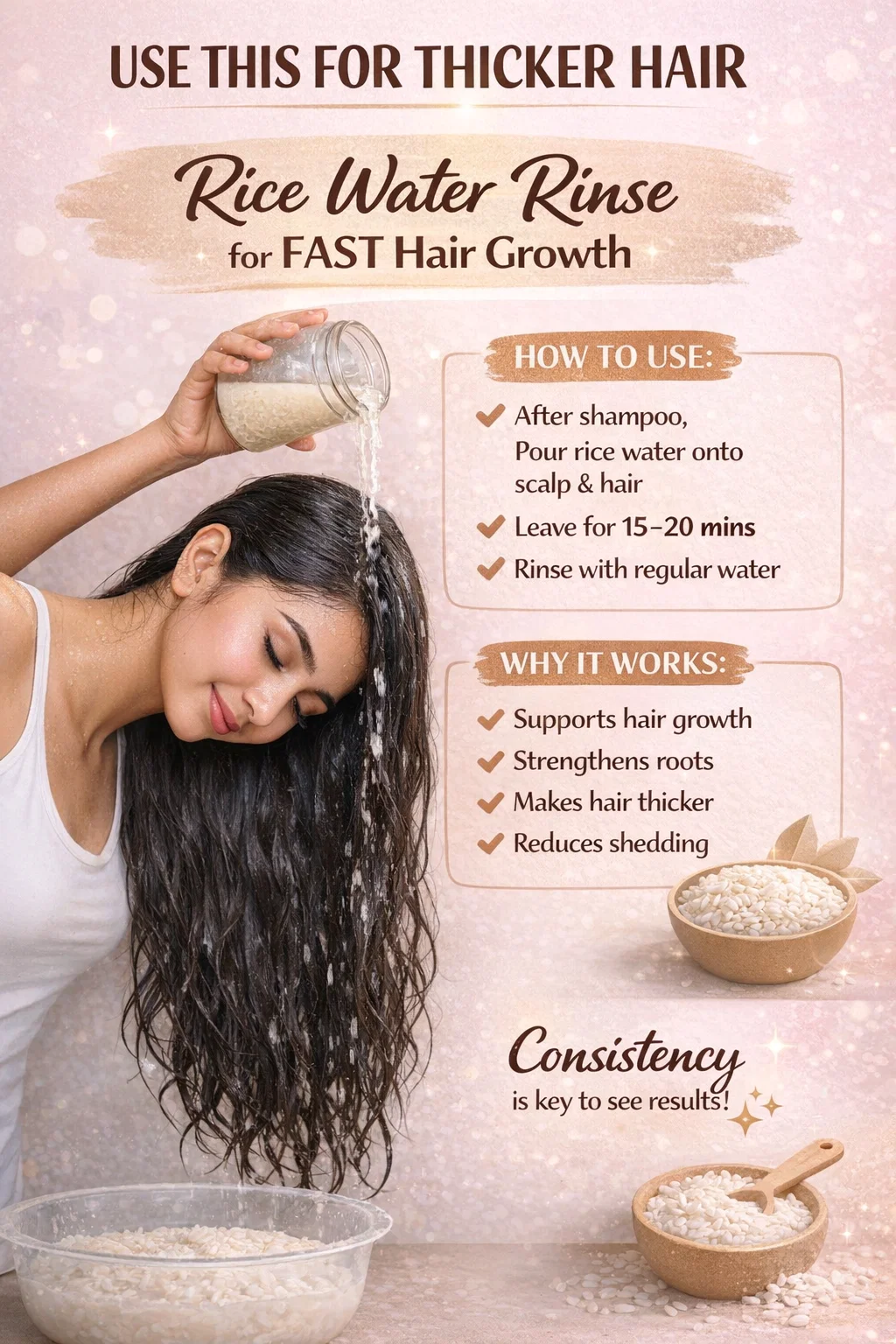
DIY Rice Water Rinse for Hair Growth Thickness Natural Hair Care Hack
If you have spent any time in the natural hair community lately, you have likely heard whispers about a legendary treatment that promises to transform thin, brittle strands into a thick, flowing mane. The secret is not found in an expensive salon bottle or a high-tech chemical formula. Instead, it is tucked away in your kitchen pantry. We are talking about the Rice Water Rinse, an ancient beauty ritual that has resurfaced as the ultimate 2x growth trick for modern hair enthusiasts.
The image of a simple jar of rice being poured over lush, dark hair is more than just a trending aesthetic. It represents a centuries-old tradition, most famously practiced by the Yao women in China, who are known for their incredibly long, silver-free hair that often reaches the floor. Today, we are diving deep into how this humble starchy water works its magic and how you can master the process at home to achieve the thicker, stronger hair of your dreams.
The Science of Starchy Water: Why Rice Water Works
It might seem hard to believe that the leftover water from soaking rice could be a powerhouse for hair health, but the nutritional profile of rice tells a different story. When you soak or boil rice, the water becomes infused with a variety of vitamins and minerals that are essential for follicular strength.
The Power of Inositol
One of the star components of rice water is a carbohydrate called inositol. Research suggests that inositol can penetrate damaged hair and repair it from the inside out. Unlike many topical treatments that simply sit on the surface of the hair shaft, inositol stays inside the hair even after rinsing, providing ongoing protection against breakage and environmental stress.
Vitamins and Amino Acids
Rice is naturally rich in Vitamin B, Vitamin E, and a host of minerals. It also contains amino acids, which are the building blocks of protein. Since hair is primarily made of a protein called keratin, applying these amino acids directly to the scalp and strands helps to strengthen the roots and smooth the hair cuticle. This results in that “double growth” effect by preventing the split ends and breakage that usually keep people from seeing their true length.
Step-by-Step: How to Make Your Own Rice Water Rinse
The beauty of this treatment lies in its simplicity. You do not need a chemistry degree to get it right, but you do need to follow a few specific steps to ensure the water is clean and potent. Here is the foolproof method based on the classic “30-minute soak” technique.
1. Choose and Wash Your Rice
Start with a half-cup of raw rice. You can use white, brown, jasmine, or even black rice, though white rice is the most common for this specific rinse. The first and most important step is to wash the rice once. This is not the “treatment” soak; this is just to remove any dust, dirt, or impurities from the grains. Strain that first batch of water and discard it.
2. The Soaking Process
Place your clean rice into a fresh bowl or jar and add one cup of water. Give it a good stir. Let it sit at room temperature for about 30 minutes. During this time, the water will turn a milky, opaque color. This cloudiness is the sign that the nutrients, starches, and inositol are leaching into the liquid.
3. Strain and Store
After 30 minutes, strain the rice and collect the water in a clean glass jar or a spray bottle. While some people prefer to use it immediately, others choose to let it ferment for 12 to 24 hours to increase the antioxidant levels. If you are just starting out, the fresh 30-minute soak is a perfect introduction for your scalp.
The Application: Integrating the Rinse into Your Routine
Applying the rice water is just as important as making it. You want to ensure that every strand is coated and that your scalp gets a chance to absorb the minerals. Follow this sequence for the best results.
Preparation After Shampooing
The best time to use a rice water rinse is after you have shampooed your hair. This is because shampooing removes oil and product buildup, leaving the hair cuticles open and ready to receive the treatment. Squeeze out excess water so your hair is damp but not dripping wet.
The Pour and Massage
Slowly pour the rice water over your scalp and through the entire length of your hair. Use your fingertips to massage it into your scalp using circular motions. This not only ensures even distribution but also stimulates blood flow to the hair follicles, which further boosts the “baby hair” growth mentioned in the guide. If you have a lot of hair, using a spray bottle can help you reach the middle layers more effectively.
The Waiting Game
Once your hair is saturated, leave the treatment in for 15 to 20 minutes. This is the optimal window for the inositol to penetrate the hair shaft. You can pop on a shower cap to trap some heat, which helps the treatment work even more deeply. After the time is up, rinse thoroughly with normal, cool water. You can follow up with a light conditioner on the ends if your hair feels a bit stiff.
The Benefits: What Can You Really Expect?
If you stay consistent with this ritual, you will start to notice several key changes in your hair’s behavior and appearance. Here is why this trick has become a staple for those seeking thicker hair.
- Strengthens the Roots: By delivering amino acids directly to the scalp, the hair is anchored more firmly in the follicle.
- Reduces Hair Fall: Stronger hair means less shedding during brushing and styling.
- Makes Hair Thicker: The starch in the water coats the hair, giving it immediate volume and a fuller appearance.
- Boosts Baby Hair: Regular scalp stimulation with nutrient-rich water encourages those dormant follicles to wake up and start growing new strands.
Common Mistakes to Avoid
While rice water is a natural remedy, there are a few “too much of a good thing” scenarios you should watch out for. To get the best results without the drama, keep these tips in mind.
Avoid Protein Overload
Because rice water is so rich in proteins and starches, using it every single day can lead to something called protein overload. This can make the hair feel brittle or straw-like. For most hair types, once or twice a week is the “sweet spot” for seeing results without hardening the hair.
Rinse Thoroughly
Never leave rice water in your hair without rinsing it out. The starch can eventually flake off or create a film that blocks moisture from entering the hair. Always follow the 20-minute rule and rinse with fresh water afterward.
Freshness Matters
Rice water is a natural product with no preservatives. If you leave it sitting on the counter for days, it will eventually go sour and develop a strong smell. If you make a big batch, store it in the refrigerator for no more than four or five days.
Customizing Your Rinse: Add-ins for Extra Glow
If you want to take your rice water rinse to the professional level, you can add a few extra ingredients to the soak. These can help with the scent and add even more benefits to the mix.
Essential Oils
A few drops of rosemary oil or peppermint oil can do wonders. Rosemary is scientifically linked to hair regrowth, and peppermint provides a cooling sensation that feels amazing on the scalp. Plus, they help mask the slightly earthy scent of the rice water.
Citrus Peels
Adding a bit of orange or grapefruit peel to the water while it soaks can add Vitamin C and a fresh, citrusy aroma. This is a classic trick used by traditional practitioners to keep the hair looking shiny and smelling great.
Conclusion: Consistency is the Real Magic
As the image reminds us, consistency is the real magic. You likely will not see a three-inch growth spurt overnight, but within a few weeks of dedicated use, you will notice that your hair feels sturdier, looks shinier, and has a visible increase in volume. It is a slow and steady process of nourishing your body from the outside in.
The rice water rinse is a testament to the fact that effective beauty does not have to be expensive or complicated. By taking 30 minutes out of your week to prep this simple kitchen “growth trick,” you are tapping into a timeless tradition of self-care. Give it a try, be patient with your progress, and enjoy the journey toward the thick, healthy hair you have always wanted.
Would you like me to create a weekly hair care schedule that incorporates this rice water rinse along with other natural treatments?